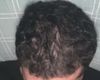
A user is concerned about weight loss stagnation while using minoxidil and finasteride during a calorie-cutting diet. Responses suggest water retention or a weight loss plateau as possible causes.
TDM-105795 is a potential hair growth stimulant that works differently from minoxidil and could be used alongside it for enhanced growth. It completed phase 2 trials in 2024, with a medium to high chance of release in 2026, but lacks recent updates or phase 3 trial information.
The user has been using Finasteride for hair loss and is considering adding alphatradiol, stemoxydine, or 2% minoxidil to their regimen. They are concerned that stemoxydine, which shortens the resting phase of hair, might accelerate hair loss in those not using Finasteride by depleting hair cycles without strengthening miniaturized hairs.
Exosomes are discussed as a new hair loss treatment, but skepticism is expressed about their effectiveness. Other treatments mentioned include Minoxidil, finasteride, and RU58841.
The user is using a 5% minoxidil solution with low propylene glycol and 1 mg of oral finasteride daily but is still experiencing hair shedding, especially at the temples and front. They are concerned about absorption issues and considering adding tretinoin to improve results.
The conversation discusses hair loss treatments, specifically Regenera stem cells and exosomes from 'Cellgenic' umbilical cord donors. The user has been using topical minoxidil 5% and 0.001% estradiol for a year without seeing effects, and another user mentions the importance of microneedling.
Yunce Medical, a Chinese company, is developing hair multiplication technology similar to Stemson Therapeutics, with potential for quicker availability due to favorable regulations. Users express skepticism and hope for future advancements in hair loss treatments.
The user shared progress after one year of using Minoxidil, rosemary oil, and dermarolling for hair loss, noting fuller hair despite some scalp exposure. Another user inquired about the dermarolling process and frequency.
A user reported hair regrowth using a homemade topical solution of minoxidil and finasteride sourced from Pakistan, combined with microneedling, after experiencing hair loss with UK-based products. They claim a reduction in hair loss from 200-300 to 3-5 hairs a day and advise against spending money on branded products.
The user experienced no improvement in hair loss with finasteride and minoxidil but had side effects. They plan to add wounding, scalp massage, vitamin K, and taurine supplements to their regimen and seek feedback on these additions.
Adipose-derived stem cells with ATP improved hair regrowth in male and female mice with androgenetic alopecia. The most effective treatments were low dose stem cells with ATP for males and medium dose stem cells with non-liposomal ATP for females.
The conversation discusses the effectiveness and side effects of DUT mesotherapy for hair loss. Users are seeking evidence and pictures of successful treatments.
The user is experiencing hair shedding while using finasteride and topical minoxidil with tretinoin, keto shampoo, and dermarolling. They hope the shedding indicates future hair regrowth.
Oral minoxidil is claimed to be more effective and easier to use than topical minoxidil, with a 100% response rate, but it may cause unwanted body hair growth and has potential heart-related side effects. Topical minoxidil is less effective for many due to enzyme limitations, can cause scalp issues, and is more challenging to apply, but it avoids systemic side effects.
Blocking DHT is not a complete solution for hair loss; instead, altering the scalp's response to DHT may be more effective. Topical finasteride and minoxidil are current treatments, but future approaches may involve bioengineering, gene therapy, and inflammation control.
The user started taking 1 mg finasteride daily in September 2024 and began derma stamping twice a week, noticing progress initially but now experiencing increased scalp visibility. They are considering adding oral or topical minoxidil to their routine for further improvement.
A satirical take on the effects of using Verteporfin as a treatment for hair loss, with people pointing out that it is not accurate and has exaggerated outcomes. It was suggested that instead Minoxidil, Finasteride, or RU58841 should be used to treat hair loss.
Hair loss discussion includes treatments like Minoxidil, Finasteride, and RU58841. Users share experiences and support, mentioning that many people face hair thinning.
A user's experience with Pyrilutamide, a topical treatment for hair loss that they used in combination with other treatments such as Minoxidil and Finasteride. The user experienced impressive results in a short amount of time.
Clascoterone showed promising initial results for hair regrowth but failed to replicate them, leading to disappointment. Users discuss combining it with minoxidil and other treatments, noting its current availability only in lower concentrations.
The user started using finasteride and topical minoxidil in September 2023, later adding a Theradome laser helmet, which helped reduce hair shedding significantly. The user reports improved hair coverage and stability, attributing most progress to the medications rather than the helmet.
A 30-year-old female with telogen effluvium and androgenetic alopecia is using spironolactone, oral minoxidil, vitamin D, iron sulfate, and a hairmax laser band. She seeks recommendations for a dermastamp or derma roller, advised to use no higher than 0.5 mm.
This user, "ediblediety", has been taking oral minoxidil (1.25 mg daily), keto shampoo and occasional derm-rolling for 4 months to treat their hair loss, and they have experienced a shedding phase after the first few weeks of use. They report improvements in the thickness of their facial and body hair, but note that this may be daunting to women.
The conversation discusses the effects of lowering DHT on hair loss and the importance of monitoring DHT levels during treatment. The user suggests that individual responses to DHT and hair loss treatments vary, and expresses a preference for topical treatments over oral medications due to concerns about systemic DHT reduction.
Some people may not respond to topical minoxidil due to low SULT1A1 enzyme activity, but oral minoxidil can be effective. Tretinoin may enhance minoxidil's effectiveness, and some users prefer oral minoxidil despite side effects.
The conversation discusses a 4-month hair loss treatment progress using RU58841, topical Minoxidil, ketoconazole shampoo, and micro-needling. The user shares progress pictures taken at the start, after 1 month, and the current state, all under the same conditions.
The user is sharing their progress with hair loss treatments including finasteride, minoxidil, keto shampoo, and dermastamping. Other users are expressing positive reactions and discussing the benefits of keto shampoo and minoxidil.
A user is comparing Capillus Ultra and Capillus ONE for hair loss treatment, questioning if the number of diodes matters. Another user suggests the OMG helmet as the only worthwhile option.
How Pyrilutamide, a hair loss treatment, has improved texture and regrowth of hair without any side effects for users, who are encouraged to post progress photos.