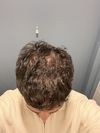
Creatine monohydrate's potential link to hair loss, with mixed opinions on its effects. Treatments like minoxidil, finasteride, and RU58841 are discussed.
The user has been using topical minoxidil, topical and oral finasteride, and oral minoxidil for hair loss but hasn't seen improvement after 7 months. Suggestions include continuing treatment, considering dutasteride, and consulting a dermatologist, as shedding from oral minoxidil is temporary.
A 47-year-old male experienced significant hair regrowth over six months using 1mg oral finasteride, 5mg oral minoxidil, and 1ml 5% topical minoxidil, along with weekly derm stamping. He reported no major side effects, improved prostate health, and increased vascularity, with hair texture changes and minor nasal congestion.
A person is struggling with hair loss and mental health issues, using treatments like dutasteride and minoxidil, and planning a hair transplant. They recently discovered their biological father is bald, causing additional stress, but are encouraged by others to focus on their treatment success and seek professional help for their mental health.
Pelage executives' hairlines were discussed, with speculation about them using PP405 for hair regrowth. Concerns were raised about using untested drugs, with some suggesting executives might not risk using them without safety data.
Finasteride can regrow hair but may cause depression and suicidal thoughts in some users. The connection between finasteride and mental health issues is debated, with some attributing it to pre-existing conditions or stress.
Improving iron levels, particularly ferritin, can help with hairline recovery. The user experienced hairline improvement by increasing iron intake through diet changes, without relying on minoxidil.
A person had a successful hair transplant in Turkey with 3200 grafts using FUE and DHI techniques, and is satisfied with the results after 9 months. They have been using finasteride for 7 years to maintain hair health.
The user has been using dutasteride and minoxidil since March 2023, showing significant hair regrowth but still prefers a buzz cut due to uneven growth. Some users discuss side effects like reduced libido, while others suggest additional treatments like microneedling or hair transplants.
The user experienced sexual side effects after starting finasteride and later switched to dutasteride, noticing hormonal changes. They are considering using P5P and possibly aromatase inhibitors to manage high prolactin and estradiol levels.
The user has been using 0.5mg Dutasteride daily and topical Minoxidil but is experiencing worsening hair density and is considering switching to Finasteride, increasing the Dutasteride dose, or adding RU58841. They are also considering microneedling and have concerns about the effectiveness of generic Dutasteride compared to branded versions.
Dutasteride can cause hair shedding even with suppressed testosterone levels due to previous damage from DHT. Hair shedding is often a sign of damaged hair being replaced by healthier growth.
Various treatments for hair loss include minoxidil injections, finasteride, dutasteride, microneedling, Nizoral shampoo, and supplements like vitamin D and biotin. Additional methods mentioned are red light therapy, scalp massages, lifestyle changes, and hair transplants.
The user is experiencing hair loss, possibly due to androgenic alopecia or telogen effluvium, and is considering treatments like Minoxidil, Finasteride, or RU58841. They also mention potential iron deficiency and sleep deprivation as contributing factors.
A user expressed satisfaction with a hair and beard transplant at HairofIstanbul using 3200 grafts and PRP, achieving natural-looking results without finasteride or minoxidil. The transformation was praised, though some noted the beard line appeared artificial.
Creatine does not cause hair loss, but it may accelerate hair loss in those predisposed to male pattern baldness. Finasteride users report mixed experiences with creatine, with some noticing no change and others experiencing increased shedding.
Accutane may accelerate hair loss in genetically predisposed individuals by affecting enzymes related to DHT metabolism. Some users report hair loss after taking Accutane, while others use treatments like finasteride and minoxidil to manage hair loss.
The user is struggling with hair loss and has tried treatments like finasteride, minoxidil, and dutasteride without success, considering a hair transplant as a future option. Others suggest focusing on mental health and self-worth beyond physical appearance, while some share their own experiences with similar treatments and outcomes.
A woman is concerned about her husband's hair thinning and researches treatments like finasteride and minoxidil. He decides against medication due to potential side effects and plans to shave his head if necessary.
A user switched from finasteride to dutasteride, experiencing significant shedding initially but noticing improved hair health and thickness over time. They also use minoxidil, both oral and topical, and report no significant side effects from the treatments.
A 30-year-old woman experiencing rapid hair loss is using 5% Minoxidil, Saw Palmetto, vitamins, and Nizoral, but is advised to see a dermatologist as her symptoms may indicate a condition other than androgenetic alopecia, such as alopecia areata or a thyroid issue. Many suggest a biopsy and blood tests to determine the underlying cause.
A 20-year-old is using minoxidil for hair regrowth and considering finasteride despite concerns about side effects. Many suggest adding finasteride to maintain gains, with recommendations to start with a low dose or use a topical form to minimize side effects.
Dutasteride and oral minoxidil are not effectively stopping hair loss for the user, despite trying various treatments including ketoconazole shampoo. Suggestions include increasing dosages, considering alternative treatments, and consulting a doctor.
A user shared their 4-month hair regrowth progress using oral finasteride and topical minoxidil, reporting no side effects and positive feedback on their appearance. The post sparked debate, with many users doubting the authenticity of the photos, while others congratulated the user on their impressive results.
The user experienced positive hair growth results using oral minoxidil and finasteride initially, then switched to dutasteride and higher-dose minoxidil. They plan to try topical minoxidil foam to improve the crown area and reported increased libido with dutasteride.
Stopping finasteride often restores sexual function, with many experiencing improved libido and erections. Some users switch to minoxidil or topical finasteride to manage side effects while maintaining hair health.
The user improved diffuse thinning without finasteride by using minoxidil foam, cold showers, gentle hair drying, 2% ketoconazole, sulfate-free tea tree oil shampoo, dermastamping, and supplements like Omega-3, Vitamin-D, Biotin, Keratin, Collagen, B3, Zinc, and Magnesium. The regimen was followed for about six months under dermatologist guidance.
A 27-year-old male with ADHD is experiencing hair thinning and is starting a treatment with topical finasteride (0.025%) and minoxidil (5%). He is addressing high prolactin levels and low vitamin D, while managing side effects from ADHD medication.
Some people avoid finasteride due to side effects but engage in unhealthy habits. Minoxidil and finasteride are common hair loss treatments, with varied side effect experiences.
The user has been using oral minoxidil, finasteride, and dutasteride to prevent hair loss, despite not showing significant balding. Many commenters believe the treatment is excessive, while some support early prevention.