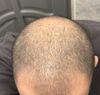
The post discusses a successful hair loss treatment involving a hair transplant, finasteride, and minoxidil. The user underwent a 2000 graft hair transplant at the hairline in a clinic in Sweden.
A 27-year-old male physician improved hair density using minoxidil 5% foam and finasteride 1mg every other day, with initial sexual side effects that subsided. He recommends trying finasteride for a year but warns against dutasteride due to potential liver effects.
A 43-year-old user's progress pictures showing their results from taking Finasteride and Dutasteride for 13 months, along with 5% Minoxidil topical treatment for hair loss over the course of two years. Other users shared experiences and advice about using these treatments to reverse hair loss.
Significant hair regrowth was achieved after 2.5 years of taking 1 mg finasteride daily, without using minoxidil or microneedling. Minor side effects included a slightly thinner beard and longer time to finish during sex.
The user shared their positive hair regrowth experience using saw palmetto tablets, 5% minoxidil spray, and a Derma Pen. The conversation debates the effectiveness of saw palmetto versus finasteride, with some advocating for natural treatments and others emphasizing the proven results of finasteride and minoxidil, often in combination with microneedling.
Users discuss their positive experiences with finasteride for hair loss, mentioning halted hair loss, hair regrowth, and improved self-esteem. Some express satisfaction in taking action against baldness, while others note increased libido and energy.
The post discusses how using finasteride and minoxidil for hair loss resulted in the user's hair changing from straight to wavy. The responses suggest this change indicates healthier, thicker hair and share similar experiences, while also expressing concerns about potential side effects of the treatments.
The launch of Pyrilutamide as a potential hair loss treatment, with people discussing whether it is better than treatments like finasteride and minoxidil. Some participants have also discussed the risks associated with importing drugs from China.
Finasteride can slow beard growth, but minoxidil and dermarolling may enhance beard thickness. Minoxidil is suggested for permanent beard gains, while finasteride is mainly for scalp hair maintenance.
The conversation is about someone asking for experiences with hair regrowth using a topical solution containing 0.1% dutasteride, minoxidil, tretinoin, melatonin, and biotin. They want to know if others have had success with a similar treatment without combining it with finasteride or other antiandrogens.
A user's progress with hair loss treatment, which includes taking finasteride pills and using minoxidil once daily; discussing the effects of these treatments and the experience of shedding and regrowth; and advice on adding microneedling.
A user reported thickening their hairline using a nightly mixture of castor oil, peppermint oil, rosemary oil, and sandalore, without using minoxidil due to side effects. They also continued using alfatriodol for DHT blocking and saw modest improvements after 6 months.
Swanson Full Effect Hair Thickener is discussed for its potential to stop hair fall and aid regrowth. A user reported positive results but noted it's out of stock.
The user uses Toppik hair fibers to thicken their hairline and has switched from finasteride to dutasteride and oral minoxidil, noticing more hair thickening. Most responses indicate the hair fibers are not noticeable, and many suggest the user doesn't need them as their hair looks natural and good for their age.
A user shares progress on hair thickening using finasteride, minoxidil, RU58841, and dermastamping. Another user notes slow but ongoing improvement with a similar treatment routine.
The user is using topical finasteride and is considering adding minoxidil despite concerns about dependency and side effects. Another user suggests that finasteride alone can reverse hair loss, but adding minoxidil and microneedling may improve results.
Hair regrowth can start as thin hairs that may thicken over time, with treatments like finasteride and minoxidil showing varied results. Some users report initial shedding followed by thicker regrowth, while others experience mixed outcomes in different areas.
A 19-year-old using a DHT blocker and experiencing hair regrowth wonders if significant thickening will occur between 12-18 months or later. The discussion involves treatments like oral minoxidil and finasteride.
The user has been using finasteride for six months to address hair loss and is considering adding minoxidil to improve hair thickness. They are also using microneedling, peppermint oil, saw palmetto, biotin, and vitamin D supplements.
A 16-year-old has been using minoxidil since February and added tretinoin two months ago to speed up hair regrowth. A suggestion was made to add micro-needling weekly to enhance minoxidil's effectiveness.
The user has been using homemade topical finasteride for over 2 years with no side effects and Rogaine foam, considering a hair transplant in a year. They are contemplating whether to continue the current treatment, switch to oral finasteride with or without RU58841, and are unsure about potential side effects of oral medication.
The conversation is about someone using topical finasteride, minoxidil, tretinoin, and caffeine for hair regrowth, particularly near the temple area. They are asking if the new, smaller hairs will grow and thicken to match their existing hair.
The conversation discusses hair loss treatments, specifically the use of topical and oral finasteride combined with minoxidil. The user experienced a second shedding phase but hopes for regrowth in the coming months.
A user shared their 5-6 month hair loss progress using dutasteride daily, microneedling weekly, and topical minoxidil every two days, along with a hair nutrient mask. Another user praised the use of dutasteride.
The user reports that MSM supplementation has thickened their hair strands while using finasteride and topical minoxidil. They also take zinc, copper, B-complex, vitamin C, vitamin D3, and K2, and plan to add omega-3, magnesium, astaxanthin, and pterostilbene.
Topical finasteride with minoxidil effectively stabilized and thickened hair but caused side effects like brain fog, reduced libido, and emotional flattening, leading to discontinuation. The user switched to a new regimen including minoxidil, KX-826, and other treatments, noting improvements in libido and vivid dreams after stopping finasteride.
Finasteride helped stop hair loss progression and slightly thickened hair, but reduced beard and chest hair growth. The user also uses ketoconazole shampoo for scalp itchiness.
A 28-year-old male stopped hair loss and thickened his hair using oral dutasteride and oral minoxidil after topical treatments failed. He experienced no side effects and recommends these oral treatments for others struggling with hair loss.