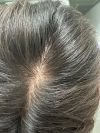
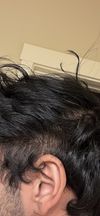
A user is experiencing significant hair loss and stress, seeking advice on treatments. They are using Pura d'or shampoo and conditioner, biotin, and considering other options but are hesitant about treatments like Minoxidil due to the need for continuous use.
This user experienced improvements in their hair density and texture through the use of finasteride (1.25mg) and minoxidil (5%) applied topically once a day over 8 months, with no reported side effects other than slightly lowered libido.
A 23-year-old experiencing diffuse hair thinning has chosen a treatment stack including topical finasteride, a blend of rosemary, peppermint, and pumpkin seed oils, procyanidine B2 spray, ketoconazole shampoo, and scalp massages. They avoid minoxidil due to family history of side effects and oral finasteride due to high estrogen levels.
Using detox or clarifying shampoos like OUAI Detox Shampoo and K12 Detox Shampoo can help reduce hair fall caused by mineral buildup from hard water. Rinsing hair with soft water after showering is also recommended.
The user is experiencing early hair thinning and is currently using finasteride and ketoconazole shampoo. They are considering adding minoxidil or switching to dutasteride for stronger DHT suppression, while also checking for iron deficiency.
The conversation discusses hair thinning and treatments like Minoxidil, finasteride, and RU58841. The user is concerned about distinguishing between natural hair parting and actual thinning.
The user has been using topical minoxidil and finasteride for 1.5 years, which has thickened existing hair but left some areas thin. They suspect the treatment may be causing dandruff or seborrheic dermatitis and are seeking advice.
User experienced telogen effluvium and diffuse thinning, started using 5% minoxidil two months ago, and resolved several deficiencies. They report noticeable improvement in hair health and plan to update progress in a month.
The conversation is about using Ketoconazole shampoo as a potential addition to Finasteride for hair density, with skepticism about its effectiveness for hair regrowth. Users suggest that Ketoconazole mainly helps with dandruff and scalp irritation, while Minoxidil and other treatments like oral Minoxidil or dutasteride might be more effective for hair density.
The user has been using Nizoral shampoo, MCT oil with lavender oil, and tea tree conditioner for hair care, considering finasteride if no progress is seen. Some users notice progress in hair thickness and density after three months.
Users discuss their preferred daily shampoos for hair loss, mentioning products like Nizoral, rosemary shampoo, caffeine shampoo, and biotin shampoo. Some also use shampoos containing minoxidil and ketoconazole.
Ashwagandha may cause hair thinning due to increased TSH levels, suggesting a link to hypothyroidism. Users are advised to consult a doctor for proper evaluation.
Psoriasis shampoo with salicylic acid can improve scalp health and hair quality better than Nizoral. It helps create a cleaner environment for hair growth, especially when using treatments like finasteride.
After a year of using finasteride, topical minoxidil, Nizoral shampoo, and derma stamping, the user experienced significant hair regrowth and increased hair density, despite an initial shedding phase. The user attributes the success to consistency and patience, noting that derma stamping significantly boosted regrowth speed and quality.
Finasteride improved hair thickness for someone with diffused thinning after 11 months, with no side effects. Patience and consulting a dermatologist are advised, and minoxidil is suggested for additional support.
The conversation is about adding Swisse Hair Nutrition for Men, which contains saw palmetto and various vitamins, to a Minoxidil and finasteride regimen to potentially enhance hair growth. The user is seeking feedback on the effectiveness of stacking these supplements with their current treatment.
Formula 82M, a minoxidil and retinol liquid, improved hair texture and filled in temples with baby hairs for the user, but its high cost and lack of reviews cause concern. Another user mentioned using a similar product, 82F, which has become less effective and expensive over time.
A 25-year-old woman with androgenic alopecia is experiencing hair dryness and damage after using topical minoxidil and Nizoral. She is advised to reduce washing frequency, use a bond builder like K18, apply a silicone-based serum, and consider using a shower filter and different oils like argan oil for better hair health.
A user shared their positive experience with Laq herbal shampoo and Sevich Batana oil for hair loss due to PCOS and an unbalanced diet. They noticed significant improvement after three weeks of using these products.
A 21-year-old experiencing hair loss was prescribed two shampoos and hair vitamins by a dermatologist who suggested seborrheic dermatitis as the cause. However, users in the conversation suggested the hair loss could be male pattern baldness (MPB), recommending monitoring the situation and considering finasteride as a treatment.
The user experienced an elevated heart rate from using topical Minoxidil and discontinued its use. They found that adding a daily protein shake helped with telogen effluvium.
The conversation is about applying 2% Ketoconazole to the scalp for hair loss treatment. It suggests using conditioner afterward due to its drying effect.
A 43-year-old noticed significant hair thinning and is using topical minoxidil, dermarolling, Alpecin, biotin, zinc, copper, vitamin D, and rosemary oil. They plan to see an endocrinologist and have blood tests scheduled to investigate further.
A 20-year-old male experiencing hair thinning uses 1mg finasteride and 2.5mg minoxidil daily, and seeks styling advice to hide frontal scalp thinning. Recommendations include using hair powder, mousse, sea salt spray, and matte clay, along with specific styling techniques like blow-drying and using a detangling brush.
Greasy or product-laden hair can make the scalp appear more visible, leading some to mistakenly think they are balding. Proper hair washing and avoiding heavy products can help assess true hair thickness, and treatments like finasteride are used by some for actual hair loss.
The user has been using finasteride and minoxidil for 8 years and recently started dutasteride, but still experiences thin, see-through hair. Suggestions include adding probiotics, changing hairstyle, checking hormones, supplementing vitamin D3, trying laser therapy, and improving gut health.
The conversation discusses using topical minoxidil and finasteride, along with dermarolling and biotin shampoo, for hair loss treatment. It also explores supplements like NutraPro's hair growth formula and other products like tretinoin, Ducray shampoo, and Nizoral to enhance results.
A user shared their positive experience with hair regrowth using finasteride, minoxidil, derma stamping, castor oil, biotin shampoo, and a hair lotion over 12 months. They noticed fuller hair and encouraged others to remain consistent with their treatments.