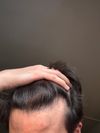
Curly and wavy hair can make hair loss appear worse due to clumping, but using less product, shorter cuts, and leave-in conditioner can help manage appearance. Minoxidil and finasteride are considered for treatment, and some find that styling can hide thinning areas.
People are discussing hair loss treatments, including minoxidil, finasteride, and RU58841, to turn vellus hairs into terminal hairs. Some users also mention using antibiotics, oral minoxidil, dutasteride, DHT blockers, biotin, and natural remedies like onion juice and seeds to improve hair growth.
A 21-year-old is worried about hair loss despite taking 0.5mg finasteride every other day for 7 months. Users suggest continuing treatment, considering a hair transplant, and possibly adding minoxidil.
A user shared their satisfaction with a hair transplant done by Dr. Jimmy Cortez at Capilar Hair Center, but others in the conversation questioned the authenticity of the results, suspecting the use of hair fibers and deceptive advertising. Some found the hairline natural-looking, while others criticized it as artificial or unnecessary.
Royal_Woodpecker0007: Hahaha . No i am not naked .
This conversation is about Royal_Woodpecker0007's 11-month progress on hair loss medications, including topical finasteride and minoxidil, as well as oral finasteride and keto 1% shampoo. The treatments have shown positive results, reducing his hairfall from 200 hairs per day to 40-50, and thickening his hairline. He plans to wait another year before considering a transplant.
Treating Black/ethnic hair loss with a combination of Minoxidil, finasteride, Nizoral shampoo and derma pen treatments, as well as occasional Jamaican Black Caster Oil use. The user documented their progress over the course of 3.5 months, showing improvement in hair growth.
A user named Medical_Opinion8120, a 23-year-old female, is experiencing hair loss potentially due to a past accutane course. She has tried minoxidil without success and is currently taking iron and zinc supplements.
The user experienced long-term pain after an FUE hair transplant and is considering Kenacort injections for relief. They also reported brain fog, dizziness, and anxiety after stopping minoxidil and finasteride, and are currently using PRP, microneedling, and rosemary oil for hair maintenance.
The user is concerned about worsening hair loss after 9 months on 1.25 mg finasteride, with suggestions to add minoxidil and consider dutasteride. Some users report decreased shedding with different treatments, while others note possible issues with photo comparisons.
A user shared their experience with a hair transplant surgery in India, involving 3,500 grafts, and expressed satisfaction with the results and cost. The post received mixed reactions, with some users questioning the authenticity of the graft count and results, while others praised the outcome.
Hair texture changes, such as hair becoming curly, are common when using treatments like finasteride and minoxidil. Users report various experiences with these treatments, including changes in hair density and texture, with some using additional products like alfatrodial, fluridil, and pyrilutamide for hair maintenance.
A 55-year-old man shared his successful hair transplant results, using 9,100 grafts from his scalp and beard, and is also using minoxidil, finasteride, and multivitamins. The discussion includes opinions on the necessity of DHT blockers and the effectiveness of the transplant, with some users questioning the need for such procedures at an older age.
The user is concerned about starting finasteride due to ongoing body development and seeks alternatives to maintain hair until age 25. They are considering options other than finasteride for hair loss management.
Finasteride and minoxidil are commonly used for hair loss, with RU58841 and microneedling also showing effectiveness. Oral minoxidil and dutasteride are noted for their impact, while side effects and alternative treatments like ketoconazole and natural DHT blockers are discussed.
After a hair transplant, the user noticed unexpected new hair growth without using medications or vitamins. Many advised starting treatments like minoxidil and finasteride to maintain the results and prevent future hair loss.
Filtered shower heads may improve scalp and hair health but do not affect male pattern baldness (MPB). Genetics and factors like DHT and scalp tension are more significant in hair loss.
Hair loss is linked to scalp fibrosis and tension, which result from chronic mechanical stress and androgenic signaling. Treatments include blocking androgens with finasteride, promoting hair growth with topical minoxidil, and improving scalp mobility through exercises.
A 27-year-old shared progress 6 months after a hair transplant of 4500 grafts, using finasteride and minoxidil. The procedure was done at Vera Clinic in Istanbul, costing 3000 Euros, and the user is pleased with the results.
The user is experiencing hair shedding despite starting finasteride 4 months ago, with no signs of miniaturization. They are seeking advice after normal blood tests and similar family experiences.
Finasteride improved hair density and changed hair texture from wavy to curly for the user. The user took 1mg of oral finasteride daily without using minoxidil.
The user underwent two hair transplants, started taking finasteride, oral minoxidil, and dutasteride, and began micro-needling to improve hair density and manage hair loss. They also focused on curly hair care techniques, resulting in noticeable improvements in the hairline and overall appearance.
A woman using minoxidil for hair loss is trying hair fibers but finds they look like dandruff. Suggestions include using pomade, Derm Match, matte eye shadow, mascara, and spray applicators for a more natural look.
The user experienced worsening hair loss despite using finasteride and topical minoxidil, and is considering switching to dutasteride and oral minoxidil. They also tried microneedling and tretinoin with minoxidil, and are exploring Sulfogenz topical minoxidil.
A 32-year-old man from Vietnam, at Norwood 7 hair loss, is using Minoxidil, Finasteride, rosemary oil, NMN, and CoQ10 to regrow hair. Despite minor improvements, alternatives like hair systems or accepting baldness are suggested due to advanced hair loss.
The user is experiencing continued hair loss despite using Dutasteride 1.5mg and previously Finasteride. They are considering combining Finasteride with Dutasteride and exploring other options like saw palmetto, but avoid Minoxidil due to excessive body hair growth.
A 20-year-old with aggressive hair loss is using oral minoxidil and finasteride, considering a buzz cut to manage appearance. Most suggest a buzz cut or shaving, recommending patience with medication and possibly trying RU58841 or dutasteride.
The user is seeking alternatives to Minoxidil for hair growth, currently using 0.1% topical finasteride and 2% ketoconazole shampoo. Suggestions include microneedling, red light therapy, rosemary oil, and other topical treatments like cetirizine, Stemoxydine, and Latanoprost.
Unwanted hair growth from minoxidil use, with suggestions to reduce dosage or switch to finasteride. Users recommend hair removal methods like shaving, waxing, or electrolysis to manage excess facial hair.
Hair loss treatments like finasteride, dutasteride, and minoxidil can cause initial shedding as they restart the hair growth cycle, but this is not an indicator of treatment failure. The effectiveness of these treatments should be judged by cosmetic changes over time, not by daily hair loss counts.