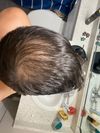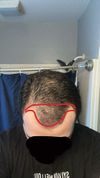
A 20-year-old male from the UK is experiencing hairthinning and seeks advice on using Minoxidil, finasteride, and RU58841, asking about their monthly costs and where to purchase them.
A user in their early 20s is concerned about minor hairthinning and is considering a hair loss regimen involving PRP sessions, mesotherapy with dutasteride injections, and low-dose finasteride. They dislike minoxidil due to its greasiness and prefer a routine that is easy to maintain.
The user switched from finasteride to dutasteride due to continued hairthinning and is seeking advice on whether to continue with dutasteride, while also using minoxidil, topical finasteride, retinoic acid, and ketoconazole shampoo. Responses suggest sticking with dutasteride as it is considered a potent treatment, though experiences vary.
A 24-year-old from the EU is experiencing hairthinning at the crown, possibly due to androgenetic alopecia. Suggested treatments include minoxidil and finasteride, which can be used in topical or oral forms.
A 17-year-old is considering using minoxidil (OM) for hairthinning but is concerned about potential side effects and hormone disruption. They plan to use rosemary oil, ketoconazole shampoo, hair peptides, microneedling, and scalp massages as part of their treatment.
Revivhair serum is discussed as a potential treatment for mild hairthinning, but skepticism exists about its effectiveness without proven treatments like finasteride, dutasteride, or minoxidil. Users share experiences with various treatments, noting side effects and exploring alternatives like topical dutasteride and alfatradiol.
The conversation discusses combining topical and oral finasteride to address hairthinning, with concerns about safety and effectiveness. Users also mention alternatives like dutasteride and minoxidil, and the potential risks of topical treatments during pregnancy.
A 27-year-old male with ADHD is experiencing hairthinning and is starting a treatment with topical finasteride (0.025%) and minoxidil (5%). He is addressing high prolactin levels and low vitamin D, while managing side effects from ADHD medication.
A 23-year-old man started using Minoxidil for hairthinning and experienced improvement, which helped him gain the confidence to ask a girl out, resulting in a date. Other users congratulated him and discussed the importance of hair appearance in dating, with some suggesting other treatments like finasteride or hair transplants.
The user is experiencing aggressive hair loss and has been using minoxidil with initial success but is now seeing thinning again. They are considering starting finasteride and dermarolling while waiting for a dermatologist appointment.
Hair thickness can fluctuate while on finasteride, possibly due to product overuse or other factors like health or hormones. The user experienced a significant thinning in November 2025 but noticed improvement since then.
A 24-year-old has been using Minoxidil and finasteride for 1.5 years with mild improvement but is being rejected for hair transplants due to age and diffuse thinning. They are seeking advice on what to do next.
The user underwent a hair transplant and was prescribed dutasteride and minoxidil for 6 months to address crown thinning. They are skeptical about the short duration and consider continuing the medication longer.
The user experienced significant hair improvement with minoxidil and finasteride but later faced shedding and diffused thinning after developing seborrheic dermatitis. They are seeking advice after trying treatments like ketoconazole, coal tar shampoos, fluconazole, and hydrocortisone cream.
User sees hair regrowth progress after 3 months using minoxidil, finasteride, derma rolling, keto shampoo, scalp massaging, and anti-thinning shampoo/conditioner. Others agree there's visible improvement.
Switching from topical to oral minoxidil and dutasteride led to severe hairthinning and shedding, with no side effects. The user is unsure if this is a temporary shedding phase or if oral minoxidil is less effective.
The user started using minoxidil and finasteride about four months ago for hairthinning but is unsure if it's working, as they haven't noticed new hair growth and feel their hair has thinned. Other users advise patience, suggesting that significant results may take 12 to 24 months, and recommend consistency in treatment.
The user is experiencing hair loss despite using Dutasteride and plans to try RU58841, considering adding Oral Minoxidil. They express frustration with diffuse thinning and seek advice on managing hair loss.
A user shared their 16-year hair loss journey using finasteride and minoxidil, noting slow hairthinning despite a family history of severe balding. They switched from topical to oral minoxidil but stopped for personal reasons, experiencing no significant side effects from finasteride.
The user experienced significant hair regrowth over 10 months by using 1.5mg oral finasteride and minoxidil daily, along with weekly derma stamping, after a previous hair transplant and initial thinning. The conversation highlights the importance of using DHT blockers post-transplant to maintain results.
The user experienced initial improvement in hair loss with oral finasteride and minoxidil but later faced increased shedding and thinning. They switched to dutasteride, hoping for better results, while continuing topical minoxidil.
A 23-year-old male is using 0.5 mg dutasteride daily, 5% minoxidil twice daily, and ketoconazole with zinc pyrithione shampoo twice a week to address diffused thinning and hair loss. He is seeking advice on whether his hair will regrow and if additional treatments are needed.
The conversation discusses hair loss treatments, focusing on iron supplements for low ferritin levels and considering finasteride and minoxidil if thinning persists. There is debate over starting with finasteride versus dutasteride, with some users advocating for dutasteride due to its potency, while others caution about potential side effects.
A user shared their hair loss journey, starting with Finasteride and Minoxidil in 2019, switching to Dutasteride in 2024, and adding topical Minoxidil and Tretinoin. They experienced slight temple thinning, which improved with Dutasteride, and reported no significant side effects except for thicker eyebrows and hair color change.
Minoxidil and finasteride can help regrow hair, especially in thinning areas, but restoring completely receded temples is challenging and may require a hair transplant. Some users report success with these treatments, particularly when combined with microneedling.
The user experienced significant hair regrowth using finasteride, minoxidil, and microneedling but later faced rapid thinning despite consistent treatment. They plan to switch from finasteride to dutasteride and consider oral minoxidil if the situation doesn't improve.
A 36-year-old man is using topical 5% Minoxidil for hairthinning and is considering adding 3mg Minoxidil pills as recommended by a dermatologist. He is concerned about potential side effects and increased shedding but cannot access Finasteride due to strict regulations.
OP experienced diffuse thinning for 11 years and used Minoxidil and Finasteride previously. They now use Pyrilutamide 0.5% and Alfatradiol 0.1%, resulting in significantly reduced hair loss.
The user achieved impressive hair regrowth using 1mg finasteride and topical minoxidil, and is now adding dutasteride due to recent diffuse thinning. They experienced initial side effects with finasteride but no longer have issues.
A user shared their experience with Finasteride for hair loss, noting improvement but still some thinning. They plan to get a hair transplant to address remaining thin spots and strengthen their hairline.