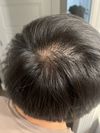
Finasteride may be sufficient for diffuse thinning, but dutasteride is generally considered more effective, with a higher chance of hair growth. Adding oral minoxidil can improve results, though some users report side effects.
A 20-year-old is dealing with male pattern baldness and considering finasteride despite concerns about side effects. Users recommend treatments like minoxidil, dutasteride, and lifestyle changes, stressing early intervention.
Effective treatments for male pattern baldness include finasteride, dutasteride, and oral minoxidil. Non-effective approaches include oils, shampoos, serums, laser therapies, massages, vitamins, and microneedling.
A dental technician claims malocclusion causes pattern hair loss due to poor scalp circulation. Users debate this, noting treatments like finasteride, minoxidil, and microneedling focus on DHT and blood flow.
The user has been using finasteride and minoxidil for over three years, switched to oral minoxidil, and recently started dutasteride and dermarolling but still experiences thin hair. They are seeking suggestions for improving their hair condition.
A user is experiencing hair thinning on the sides while wearing a hair system and has had a transplant to correct temple peaks. They are using finasteride, oral minoxidil, and rosemary oil serum, and are considering a corrective transplant to add density and achieve a natural look.
A 22-year-old male experiencing thinning hair seeks natural remedies, avoiding minoxidil and finasteride due to potential side effects. Suggestions include using rosemary oil with microneedling, vitamins, and considering minoxidil for regrowth, while others emphasize finasteride as the most effective option for maintaining hair.
Hair fibers impressively cover bald spots, boosting confidence. User started big 3 treatment (0.5mg fin, 1 time minoxidil 5% topical, ketoconazole 2%) for regrowth.
Hair loss treatments like finasteride, minoxidil, ketoconazole, PRP, and microneedling helped maintain hair for 20 years. Research and try evidence-based treatments for best results.
The user reversed male pattern baldness using a pro-thyroid diet, lifestyle changes, and scalp stimulation exercises, without Minoxidil or Finasteride. They reported reduced dandruff, itchiness, oiliness, and experienced hair regrowth and thickening over 15 months.
A user is seeking advice on shampoos and hair styling products to slow down hair thinning and avoid harmful chemicals. They currently use a biotin and collagen shampoo and are considering alternatives like wax or oils instead of gel.
The conversation discusses using 2.5mg dutasteride, 0.5mg dutasteride with topical treatments, and other combinations like oral minoxidil, RU58841, and microneedling for male pattern baldness. Users share experiences and suggest various treatment regimens, emphasizing the effectiveness of dutasteride and minoxidil.
A 32-year-old male experienced short-term hair regrowth with topical minoxidil, but thinning resumed. He switched to oral finasteride and minoxidil, saw initial improvement, but now faces aggressive thinning again and is considering other treatments like dutasteride, derma rollers, or red light caps.
After a year of using finasteride, topical minoxidil, Nizoral shampoo, and derma stamping, the user experienced significant hair regrowth and increased hair density, despite an initial shedding phase. The user attributes the success to consistency and patience, noting that derma stamping significantly boosted regrowth speed and quality.
A 20-year-old male experiencing significant hair loss started using finasteride and minoxidil, considering switching to dutasteride, and seeking encouragement from others who have seen improvements. Other users shared their experiences with similar treatments, noting improvements in hair coverage and stability, with some considering hair transplants as a future option.
A 21-year-old male experiencing hair thinning started using Minoxidil, which stopped his shedding and led to the growth of vellus hairs on his temples. He is considering whether to add finasteride to his routine, which currently includes Minoxidil, derma rolling, ketoconazole shampoo, vitamin D3, zinc, and a rosemary and fenugreek lotion.
The user experienced worsening hair loss despite using oral minoxidil, finasteride, and topical minoxidil for nine months. They are considering switching to dutasteride and reducing ketoconazole shampoo due to its drying effects.
The user is experiencing hair thinning despite using Dutasteride and Finasteride and is considering adding Minoxidil. Suggestions include increasing the Dutasteride dose, checking for health issues, and considering a hair transplant.
Minoxidil, often combined with microneedling, has helped some users improve hair growth at the temples and hairline. Finasteride is also mentioned as a treatment, with mixed results on its effectiveness.
User "kingkaurr" shaved head due to female pattern hair loss and feels happy and confident. Others compliment her look and discuss how head shaving is perceived differently for men and women.
A user is starting a topical finasteride treatment for diffuse patterned alopecia, having previously used minoxidil without success. They are cautious about side effects and have chosen topical over oral finasteride, while also using Nizoral and biotin in their routine.
DHT is not the only cause of male pattern hair loss; genetic sensitivity, inflammation, and fibrosis also contribute. GHK-Cu, a copper peptide, is being explored as an alternative treatment to finasteride and minoxidil, showing potential in improving follicle health.
An 18-year-old is experiencing severe hair loss and dandruff, feeling stressed and unable to commit to Minoxidil or handle finasteride side effects. They have tried natural oils, anti-hair fall shampoo, and consulted a dermatologist without success, and are seeking affordable treatment options.
The conversation suggests waiting a few years before considering a hair transplant, as the current treatments (finasteride, oral minoxidil, PRP, and microneedling) may still yield results. Many recommend continuing with the current regimen and possibly adding dutasteride if necessary, while others advise against rushing into a transplant at 18.
The user has been using a hair solution with 0.3% finasteride and 5% minoxidil, along with microneedling, but is experiencing more thinning on one side. Suggestions include checking application techniques and ensuring microneedling is not overdone.
An 18/19-year-old male started balding at 16 and initially saw hair growth with minoxidil, but results diminished over time. He switched dermatologists and is now using a regimen of topical finasteride, minoxidil, vitamin D, and supplements, hoping for better results.
Start hair loss treatments early for best results. Finasteride, Dutasteride, Minoxidil, and microneedling are commonly used, with some users experiencing side effects but often regretting delayed treatment.
The user has been using finasteride for 6.5 months, topical minoxidil for about 4 months, and occasionally microneedling to treat hair loss, and is asking if the progress shown is appropriate for that time. Commenters are congratulating the user on the visible improvement.
The conversation is about a user considering the use of Ketoconazole 2% shampoo before showing signs of male pattern baldness (MPB) to potentially delay its onset, inspired by a YouTuber who uses the shampoo to reduce scalp DHT levels. The user's interest in this preventative measure stems from a family history of MPB.