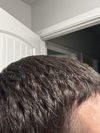
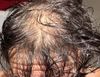
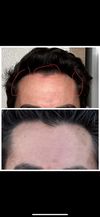
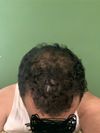
A user's 2.5 months of finasteride, oral minoxidil, and dermarolling treatments for hair loss, with various users giving their opinion on the progress made.
The user has been experiencing hair loss since age 18 and has tried topical Minoxidil and oral finasteride, which slowed thinning but did not promote regrowth. They are considering switching to Dutasteride with topical Minoxidil after limited success with a Minoxidil and finasteride spray.
A 31-year-old man shares his 4-month hair regrowth progress using topical minoxidil, topical finasteride, microneedling, biotin, and other supplements. He reports new hair growth despite experiencing side effects from finasteride and plans to continue his regimen for further improvement.
A user shared their hair loss journey using oral finasteride for over six years and oral minoxidil for one year, noting some progress and considering switching to dutasteride. Others shared mixed results and side effects from using minoxidil, finasteride, and dutasteride.
Minoxidil and finasteride are the main effective treatments for hair loss. RU58841 is discussed as a potential option but has concerns about safety and side effects.
An 18/19-year-old male started balding at 16 and initially saw hair growth with minoxidil, but results diminished over time. He switched dermatologists and is now using a regimen of topical finasteride, minoxidil, vitamin D, and supplements, hoping for better results.
The conversation is about recommendations for a daily shampoo to use alongside topical finasteride and minoxidil treatments for hair loss. The user is currently using PURA D’OR shampoo and considering other options, while another user suggests Johnson's baby shampoo and shares their experience with finasteride, minoxidil, and PRP sessions.
Using a blunt tip syringe is an effective method for applying liquid topicals like minoxidil and RU58841, especially for those with thick or long hair experiencing diffuse thinning. The user found significant hair regrowth and increased density after using these topicals for less than three months.
A user seeks advice on treatments for his mother's hair loss, considering Minoxidil, Finasteride, and shampoos. The mother is being monitored for breast cancer, which may be relevant.
A user discussed their experience with finasteride for almost 2 years and oral minoxidil for 7 months, noting thicker follicles but no change in density. Replies suggested getting a shorter haircut to make the hair look thicker and healthier.
A person with hair loss since COVID-19 is considering treatments like finasteride and minoxidil but is hesitant due to potential side effects. Suggestions include visiting a dermatologist, using a ketoconazole shampoo, and considering that post-COVID hair loss might be an autoimmune response.
A man struggled with hair loss from age 18, tried various methods without success, and finally sought medical help at 23. He was prescribed oral finasteride, topical minoxidil, and Nizoral shampoo, which after two years of consistent use, significantly improved his hair condition.
Hair loss treatments, specifically Minoxidil and the tap method; Finasteride was also discussed but not recommended due to its side effects. Price and other information were requested.
This user is considering using Finasteride and Minoxidil to treat their hair loss, with various opinions being shared about the effectiveness of each treatment. Others suggest that Micro-needling might also be an option for them.
This user experienced improvements in their hair density and texture through the use of finasteride (1.25mg) and minoxidil (5%) applied topically once a day over 8 months, with no reported side effects other than slightly lowered libido.
Long-term efficacy of dermarolling with minoxidil is discussed for hair loss treatment. User can't use RU, Fin, or topical Fin due to side effects and considers using finasteride with an aromatase inhibitor as a last resort.
Oral minoxidil is considered a safe and effective treatment for hair loss at low dosages, with minimal cardiac risks. Users report positive results, though some experience side effects like increased heart rate and skin changes, and consulting a doctor is advised.
The user shared a one-year progress of treating hair loss with finasteride, minoxidil capsules, and rosemary oil, and also improved mental health by addressing childhood trauma and changing negative thought patterns. Commenters congratulated the user on both hair regrowth and mental health progress, with one asking for advice on overcoming self-hatred and low confidence.
The post humorously discusses an exaggerated hair loss treatment regimen including minoxidil, finasteride, microneedling, and "demon blood." Replies joke about the regimen and suggest alternative sources for "demon blood."
The user has been using finasteride for 18 months, minoxidil for 20 months, and recently added tretinoin, nizoral, and dermarolling to their hair loss treatment without success. They are seeking new suggestions for treating persistent hair fall and thinning.
Diffuse thinning is often due to androgenetic alopecia, and DHT blockers like finasteride are recommended. Treatments mentioned include minoxidil, finasteride, dutasteride, and RU58841, with emphasis on starting early and using a holistic approach.
The user is experiencing hair thinning and has a vitamin D deficiency, which they suspect might be causing the issue, but they are also considering androgenic alopecia (AGA) as a cause. They are currently using minoxidil and are unable to get finasteride prescribed, while others suggest addressing the vitamin D deficiency and consulting a dermatologist.
Diffuse thinning can result in varied regrowth, with some users experiencing better results at the hairline and others at the crown. Treatments mentioned include finasteride, minoxidil (oral and topical), RU58841, microneedling, and dermarolling.
A user experienced hair thinning after inconsistent use of finasteride and minoxidil while living abroad. They are now considering switching to dutasteride, which some believe is more effective, though others caution it may not work better for everyone.
The user experienced hair thinning and used Minoxidil and Finasteride over 20+ years, with periods of stopping and restarting treatment, and eventually had a hair transplant. They are considering restarting Minoxidil and Finasteride and are curious about the effectiveness and potential shedding after resuming the treatment.
The user experienced hair thinning despite using Dutasteride, topical Minoxidil, Finasteride, and Ketoconazole shampoo, but noticed improvement after adjusting their diet and vitamin intake. They plan to continue their routine and monitor changes while addressing dandruff issues.
Creatine may cause hair thinning for some, but experiences vary. Some users on finasteride report no hair loss from creatine, while others notice shedding that reverses after stopping creatine.
A 30-year-old man is considering a crown hair transplant after experiencing thinning since 2022, despite using treatments like minoxidil, finasteride, dutasteride, RU58841, microneedling, and ketoconazole shampoo. Opinions vary, with some suggesting additional treatments or lifestyle changes, while others recommend waiting or focusing on maintaining current treatments.
Hair appearance fluctuates due to factors like styling, product buildup, and humidity, causing frustration for those with diffuse thinning. Treatments mentioned include minoxidil, finasteride, ketoconazole shampoo, and RU58841, with mixed results.