A user with thinning hair and a bald spot seeks advice on starting dermarolling for hair regrowth. They ask about using vitamin E and Rogaine alongside dermarolling.
A user is experiencing temple hair recession and is seeking alternatives to finasteride. They are considering castor oil, coconut oil, and derma rolling, and have seen some improvement with Zenegen.
A 26-year-old is experiencing hair thinning and has received conflicting diagnoses of androgenetic alopecia and telogen effluvium. They are considering treatments like dutasteride, oral and topical minoxidil, and are unsure whether to start treatment or pursue further diagnosis like a scalp biopsy.
The user is experiencing hair thinning and brittleness, possibly due to Telogen Effluvium, which affects body hair and may be linked to stress or nutrition. They are considering using finasteride for treatment but are unsure if it will address their symptoms.
People who experience diffuse thinning of their hair and how they cope with going swimming. People discussed wearing a swimming cap, making jokes out of it and accepting that it's genetics.
A person is seeking advice on saving their thinning crown and hairline before their wedding, currently using a topical solution with 0.1% finasteride and 7% minoxidil. They are open to trying oral treatments and are considering using Hims for convenience, with no cost concerns.
A dermatologist prescribed 0.5 mg dutasteride and 2.5 mg minoxidil for hair thinning, which is considered a solid regimen for regrowth. Users generally agree that dutasteride is more effective than finasteride and support the dermatologist's decision.
The user switched from finasteride to dutasteride to address temple hair loss and obtained generic oral minoxidil. They are questioning the legitimacy of Camber's dutasteride compared to other options.
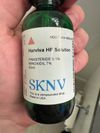
A 21-year-old is experiencing hair thinning at the crown and has seen improvement with Minoxidil. They are considering adding Finasteride to stabilize hair loss but are concerned about potential side effects.
A 20-year-old is concerned about hair thinning despite using finasteride and minoxidil for over a year. They are advised to manage anxiety, consider therapy, and possibly reassess their treatment plan, while others suggest checking thyroid levels and considering alternative treatments like dutasteride.
John Cazale's hairline showed strong recession at the temples but maintained solid volume and density, sparking discussion on different hair loss patterns and the importance of overall hair density. Treatments like Minoxidil and Spironolactone were mentioned as potential factors in maintaining hair, though genetics and styling were also considered significant.
The user experienced worsening hair thinning despite using finasteride, minoxidil, and ketoconazole shampoo, and switched to dutasteride five months ago. They are considering adding tretinoin and microneedling to their routine for better results.
The user is concerned about hair thinning and has been using finasteride 1mg and minoxidil 5%, along with Alpecin caffeine liquid and vitamins. Others suggest continuing the treatment, as it seems to be stabilizing the hair, and advise against stopping the medication abruptly.
A 36-year-old experienced slow, diffuse hair thinning over 15 years and saw significant improvement using 5% topical minoxidil alone for 3 months, without finasteride or microneedling. The user is pleased with the results, noting increased hair density and no visible scalp, and plans to continue monitoring progress without using hormone-affecting treatments.
A 37-year-old male started a hair loss treatment 7 weeks ago using 1mg finasteride, 1.5mg minoxidil, and microneedling, with noticeable coverage improvement except for the right temple. He is considering a hair transplant in the future if needed.
The conversation discusses hair thinning potentially linked to creatine use, with the user considering switching from topical to oral finasteride and minoxidil. Creatine may increase DHT levels, but topical treatments are suggested to be effective without significant side effects.
The conversation discusses severe hair shedding and thinning, with the original poster using finasteride, oral minoxidil, and other supplements without improvement. The discussion highlights the possibility of telogen effluvium and the importance of addressing potential underlying health issues, such as stress and gut health, rather than assuming diffuse unpatterned alopecia (DUPA).
Switching from finasteride to dutasteride led to significant hair thinning and receding for the user, despite using topical minoxidil daily. Many users suggest that shedding is common with dutasteride, but some recommend returning to finasteride if no improvement is seen after a year.
A 22-year-old male experiencing diffuse thinning and frizzy hair has been using finasteride for nine months and is seeking advice on improving hair quality. Suggestions include using conditioners, biotin, rosemary oil, and addressing scalp conditions like seborrheic dermatitis or psoriasis, while finasteride may help reverse miniaturization and improve hair health.
Significant hair regrowth was achieved using oral finasteride and topical minoxidil over five months, with noticeable improvements in hairline and temple areas. The user experienced minimal side effects, mainly increased eyebrow and eyelash growth, and attributes additional physical improvements to weight loss and exercise.
A user decided to buzz their thinning hair after starting Dutasteride, feeling liberated by the change. Other users shared similar experiences, with some using treatments like Finasteride and Minoxidil to manage hair loss.
A user reports significant improvement in scalp thinning after nearly 2 months of using Nutrafol, along with derma rolling and weekly rosemary oil application. Another user suggests the success might be due to saw palmetto in Nutrafol and shares their own experience of maintaining hair without finasteride.
The user reported early stage diffuse hair thinning and increased DHT levels after 4 weeks on Finasteride and 8 weeks on Finasteride plus 4 weeks on Dutasteride, despite the medications being authentic and stored properly. They are considering increasing their Dutasteride dosage due to the lack of side effects and are unsure if the treatment is helping their hair.
Hair regrowth after telogen effluvium, with the user experiencing hair loss at the temples and regrowth after taking omega-3/fish oil tablets. Suggestions include consulting a dermatologist and considering supplements like Biotin, Zinc, and Vitamin D.
The user is experiencing scalp irritation and hair thinning, possibly due to stress, with red patches on the face and dry skin. They are considering seeing a dermatologist and have used tea tree and rosemary oil.
A 20-year-old with diffuse hair thinning has been using finasteride daily for 2 years and added topical minoxidil once daily at night for the past 7.5 months, seeing improved results. They are switching to oral minoxidil for convenience and will update on the outcome.
The user is experiencing thinning at the temporal points and has been using minoxidil, dermarolling, and a mixture of natural oils to improve hair growth. They are considering finasteride as a potential treatment based on shared information.
A user experienced hair regrowth at the temples after applying castor oil nightly for a month. They also used Dr. Regenepure shampoo and occasionally argan oil.
A 31-year-old individual started taking finasteride 24 days ago to address hair thinning and loss, which has worsened their mood and stress. They have not yet added minoxidil and are experiencing significant shedding, contributing to sleep issues and insecurity about their hairline.
A 36-year-old is experiencing underwhelming results from derma stamping for hair thinning, using needle lengths of 0.5mm to 0.75mm. They are considering increasing needle length, taking a break, or pairing the treatment with rosemary oil.