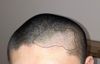
User is using minoxidil with tretinoin 0.025% and experiencing peeling and burning on the scalp. They are unsure if it's effective or if they are using it too frequently.
The user has been taking small doses of Finasteride, mixed with Stemoxydine, which has helped maintain their existing hair but not regrow new hair. They're considering dissolving the Finasteride in high-alcohol content drinks for easier administration and are seeking opinions on this method.
The user shared their positive experience with a hair loss treatment regimen, which includes a diluted version of Hims finasteride spray, Kirkland 5% minoxidil, and weekly dermarolling. The user also mentioned taking hair multivitamins and plans to continue updating on their progress.
Glycosaminoglycans are important for hair growth, and combining minoxidil with tretinoin and Biopeptide-CL may enhance hair growth by boosting glycosaminoglycan levels and improving the hair follicle environment. Users discussed the potential effectiveness and future of these treatments.
Hair loss discussion involves experimenting with Sulforaphane from broccoli sprouts and possibly procyanidin b2. People seek updates on progress and if it's worth adding to treatment stack like microneedling.
An individual's journey to treat their severe hair loss condition using the medications Pyrilutamide and RU58841. They will provide regular updates on their progress.
The user is experiencing diffuse androgenic alopecia and is trying various treatments, including 5mg finasteride, loniten, and Formula 82D, which contains dutasteride, a steroid, and tretinoin. They report potential regrowth with Formula 82D, despite previous treatments being ineffective.
MSM supplements are discussed for hair growth, with mixed opinions on their effectiveness. Some users combine MSM with treatments like finasteride and minoxidil, while others report no noticeable benefits.
Minoxidil is highly toxic to cats, and even small amounts can be fatal. The user decided against using topical minoxidil due to the risk to their cats and considered oral minoxidil and ketoconazole shampoo as alternatives.
The conversation is about using RU58841 for hair loss treatment, specifically mixing it with minoxidil without propylene glycol due to an allergy. The user is considering starting with a lower concentration of RU58841 and making smaller batches to maintain efficacy.
Kintor's Pyrilutamide (KX-826) showed hair growth in Chinese Phase III trials but did not significantly outperform placebo. The treatment was safe with no major adverse reactions reported.
RU58841 mixed with Minoxidil seems less effective over time, so the user plans to switch to a PG and Ethanol dilution for better results. They also consider using rosemary oil with Minoxidil to enhance RU58841 absorption.
The conversation is about using PTD-DBM and valproic acid for hair loss. The user is inquiring about the dosage of these treatments, noting that valproic acid is used at a 7.5% solution.
Rotenone, a natural plant extract, may promote hair growth by increasing LDH activity and blocking MPC in the scalp, but it carries risks due to its toxicity. The suggested formulation includes Barbasco extract, DMSO, propylene glycol or PEG-400, ethanol, and a carrier oil.
The post discusses using a combination of Dutasteride, Minoxidil, Ketoconazole, Estradiol, and Spironolactone for hair regrowth. Users suggest it needs more time and possibly a transplant, with some sharing personal experiences and side effects of similar treatments.
The user experiences severe headaches from 5% minoxidil and is considering mixing finasteride with a 2% minoxidil solution or diluting a 5% minoxidil + 0.1% finasteride solution. They seek advice on the appropriate method and dilutant composition.
The conversation discusses a transgender individual's successful hair loss treatment over 1.5 years using 2.5mg oral minoxidil, 5mg finasteride, and 8mg weekly injectable estradiol valerate. Some users debate the appropriateness of this approach within the group's goals, while others support the individualized treatment and its additional benefits for transgender individuals.
The user is exploring hair loss treatments in China, currently using finasteride and minoxidil, and is concerned about seborrheic dermatitis. Clinics are recommending selenium sulfide, doxycycline, and mesotherapy ampoules like PT88/PT66 or SP88/SP66, but the user is unsure about their effectiveness.
The conversation discusses a user experimenting with RU58841 for hair regrowth by ingesting it, which others find concerning. There are mentions of potential side effects and comparisons to other treatments like minoxidil, finasteride, and flutamide.
Hair loss treatments discussed include Minoxidil, Finasteride, and Spironolactone. One user shares success with Finasteride, Minoxidil, and low-dose Cyproterone Acetate, but warns against long-term use of oral anti-androgens.
The conversation is about the effectiveness and trustworthiness of Pyrilutamide hair loss treatment sold by Hairlisciously, with concerns about product purity and a request for alternative suppliers. No specific treatments were confirmed to be used by participants.
The user is considering making a homemade topical finasteride solution using an ethanol-based carrier. They are inquiring if a solution containing partially denatured ethyl alcohol and benzalkonium chloride is suitable.
The conversation discusses a topical finasteride therapy with hydrocortisone butyrate, estrone base, and breviline. A user suggests oral finasteride as a superior option.
The conversation discusses using oral spironolactone for hair loss in males when 5ari blockers fail. Concerns are raised about spironolactone's side effects, and alternatives like pyrilutamide and breezula are suggested.
A user (seblt) who has had side effects from finasteride, minoxidil and RU58841 but is now trying pyrilutamide as a last resort, with other users providing advice and support. They have already seen some baby hairs growing after 10-14 days of treatment and will provide updates in 1-2 weeks.
The conversation is about comparing the effectiveness of fluridil and clascoterone in preventing hair loss and inquiring about their use as standalone treatments. There is a question about the concentration of the fluridil brand for efficacy.
The user is experiencing one-sided diffuse thinning and has been using finasteride and liquid minoxidil for 4-5 years with minimal results. They are considering whether to save for a hair transplant or address scalp sensitivity and irritation first.
The user received trichotest results indicating finasteride is ineffective for them, and they plan to use dutasteride mesotherapy and add cetirizine to minoxidil. They seek advice on incorporating dutasteride into their regimen.