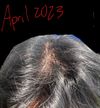
The user experienced significant hair regrowth using Finasteride for over five years, later adding oral Minoxidil without noticeable additional benefits. They reported no side effects from the treatments.
The user shared progress pictures showing hair regrowth over 7 months using topical Minoxidil, topical Finasteride, and multivitamins with biotin, noting more regrowth at 3 months than at 7 months. They suspect a shedding phase and are considering the impact of not continuing microneedling.
The user experienced significant hair regrowth using a topical treatment of Minoxidil and Finasteride, despite some brain fog as a side effect. They recommend starting treatment early and suggest topical options to minimize side effects compared to oral treatments.
A 25-year-old male has been using oral finasteride and minoxidil for six months without noticeable progress in hair regrowth and is considering switching to dutasteride or a hair transplant. Users suggest giving the treatment more time, adding microneedling, and possibly using topical minoxidil.
A user shared their 16-year hair loss journey using finasteride and minoxidil, noting slow hair thinning despite a family history of severe balding. They switched from topical to oral minoxidil but stopped for personal reasons, experiencing no significant side effects from finasteride.
The user experienced significant hair improvement after 8.5 months on finasteride and 4 months on 2.5mg oral minoxidil, with recent addition of dutasteride. Bald spots have disappeared, and hair looks normal now.
The user treated hair loss with a combined topical solution of Minoxidil and Finasteride, adjusting the dosage over time. They documented progress with photos, focusing on consistent application to sensitive scalp areas.
Pelage Pharmaceutical raised $120 million to continue research on PP405, a promising hair loss treatment that showed a 20% increase in hair density in 31% of men during a Phase 2a trial. The treatment was well-tolerated, with no systemic absorption, and Phase 3 trials are planned for 2026.
A 24-year-old male experienced hair loss and successfully treated it using a combination of Finasteride, Dutasteride, and Oral Minoxidil. He reported no side effects and plans to continue the treatment to maintain his hair.
The user experienced significant hair regrowth using 0.5 mg Dutasteride and 5 mg oral Minoxidil daily, after initially using finasteride and a lower dose of Minoxidil. They are considering dermarolling or derma stamping to improve results further before opting for a hair transplant.
A user is trying to make a topical finasteride solution by crushing tablets into ethanol and glycerin but struggles with spillage. Suggestions include letting the tablets dissolve in the solution or using a pill crusher for efficiency.
A 27-year-old male experienced significant hair regrowth in two months using a daily oral 3-in-1 pill containing 1.1mg finasteride, 5mg minoxidil, and 1mg biotin from LockLab, with no side effects reported. The user also uses a derma-stamp twice a week to promote blood flow and stimulate growth.
A 22-year-old user experienced positive hair regrowth after 11 weeks using a spray containing 0.3% finasteride, 7% minoxidil, 2.2% ketoconazole, and 0.2% biotin. They reported initial side effects like scalp tingling and brief testicular pain, which subsided, and are considering switching to finasteride pills and a different minoxidil brand for cost reasons.
The user shared progress after one year on finasteride, noting slower results without minoxidil and using ketoconazole shampoo for dandruff. Suggestions included adding minoxidil, microneedling, and possibly seeing continued regrowth in the second year.
The user shared their hair loss journey, using 0.5mg finasteride, topical minoxidil, and dermarolling initially, then increasing to 1mg finasteride and adding 2.5mg oral minoxidil. They experienced significant regrowth but are currently facing a prolonged shedding phase, hoping for stabilization and regrowth.
A user shared their progress in combating hair loss using dutasteride, topical minoxidil, and keto shampoo, expressing increased confidence and happiness with the results. They received feedback to provide clearer photos to better showcase their hair improvement.
A 20-year-old reports significant hair regrowth and darkening after 3 months of using oral finasteride and minoxidil, with no side effects. The user also notes increased beard and body hair growth, and the treatment costs about 12€ monthly.
The user is using 5% Minoxidil and 0.1% topical Finasteride and is considering adding 0.5mg Dutasteride every 5 days to stabilize hair regrowth. Consistency with treatment is advised, and there is no strong evidence linking Finasteride or Dutasteride to fertility issues.
The conversation discusses the use of dutasteride and finasteride for hair loss, with a focus on starting with low doses of dutasteride to match the DHT suppression of finasteride. It highlights the longer half-life and potential side effects of dutasteride, as well as the preference for finasteride due to its availability and research backing.
A 20-year-old experiencing diffuse thinning for two years has been using topical minoxidil and finasteride but hasn't noticed significant regrowth or reduced hair loss. They are seeking advice on whether to switch treatments, with suggestions including oral minoxidil, topical finasteride, and maintaining scalp health.
A 23-year-old has been using finasteride for 5 years to stabilize hair loss and is now adding minoxidil, tazarotene, and dermarolling to improve hairline density. They hope this new regimen will thicken existing hair and restore the hairline.
The user has been using 2.5 mg oral minoxidil and 0.5 mg dutasteride after 14 months on finasteride with no significant regrowth observed. They are considering increasing the dutasteride dosage and adding topical minoxidil with tretinoin to potentially improve hair growth.
A user shared their successful hair regrowth journey using oral minoxidil, dutasteride, and eucapil, with additional benefits from MTF hormone replacement therapy. They advised consulting specialists and considering individual responses to treatments.
Dutasteride and Minoxidil can cause initial hair shedding, which is normal and part of the process. Consistency and patience are crucial, as visible improvements may take over three years.
Pyrilutamide's long-term stability is uncertain, with potential degradation after 8-9 months if not stored properly. It's recommended to use fresh batches and store them in a cool, dark place.
The user has been using 1mg of finasteride for 3.5 months and is questioning if there is hair regrowth. Others suggest it's too early to see significant results and recommend continuing the treatment, with some suggesting adding oral minoxidil for better results.
A 27-year-old male is using a minoxidil and finasteride spray for hairline recession and is considering other treatments like oral minoxidil, exosomes, PRP, or a hair transplant. Suggestions include microneedling, possibly with tretinoin, while another user suggests the hairline is fine and mentions body dysmorphia.
A 34-year-old male has been using a topical minoxidil and finasteride solution for hair loss and was prescribed oral finasteride by a dermatologist. He questions the necessity of monthly consultations since the prescription remains unchanged.
The user initially used dutasteride, minoxidil, and vitamins, then switched to finasteride but experienced side effects and hair loss. They found better results with a natural supplement containing stinging nettle and beta-sitosterol, reporting thicker hair without side effects.
A user shared their 100-day progress using finasteride, minoxidil, and biotin for hair loss, noting no side effects but uncertain results. Others suggested continuing the treatment for a year, possibly adding oral minoxidil, and considering a hair transplant for better results.