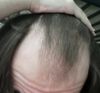
The conversation is about a female experiencing hair loss and seeking advice on why it's difficult to regrow hair. Specific treatments like Minoxidil, finasteride, or RU58841 are not mentioned.
A user is seeking recommendations for a minoxidil and tretinoin topical solution, including dosage and purchase locations in the US. They are looking for effective hair loss treatments.
A 22-year-old underwent a hair transplant in Bangkok, using 2,500 grafts, and has been using dutasteride and minoxidil to stabilize hair loss. The user chose the procedure to enjoy youthful confidence, despite some opinions that it's too early for a transplant.
The user experienced hair loss due to a crash diet and later developed scarring hair loss. They are now on finasteride, oral minoxidil, LDN, Zyrtec, and Oztela to reduce scalp inflammation and promote hair regrowth.
Using a combination of topical minoxidil and finasteride, plus microneedling, to treat hair loss; the progress made by the original poster over 6 months; the potential for further results with longer use; and the possibility of seeking alternatives such as a hair transplant or system.
Rob Holding's hair transplant, which looks great despite the edited image of it; many respondents discussed their opinions on the hairstyle, while others suggested treatment options like Minoxidil and Finasteride.
A user who had a hair transplant in Turkey and shared their experience, as well as tips for those considering the same procedure. Other users then discussed their experiences with similar clinics, and offered advice on how to find reputable surgeons and avoid scams.
Using 0.1% Alfatradiol and 1% Pyrilutamide stopped hair loss, reducing shedding from over 150 hairs a day to less than 10, with no side effects. The user also uses Minoxidil and microneedling, applying the treatments twice daily.
Pelage Pharmaceuticals is developing PP405, a topical treatment for hair growth, currently in Phase 2a trials. There is skepticism about the company's claims, and no fast-tracking approval timeline has been detailed.
Tressless GPT is now free and accessible for hair loss advice. Treatments discussed include Minoxidil, finasteride, RU58841, dutasteride mesotherapy, topical melatonin, microneedling, and rapamycin.
The user received hormone test results showing normal estradiol and testosterone levels, low SHBG, and normal free androgen index. They are considering starting finasteride but are concerned due to being slightly overweight.
The user has been using finasteride, minoxidil, a dermastamp, and red light therapy for six months with no visible improvement since the three-month mark. Other users noted improvement, particularly in the left temple area, and encouraged the user to continue.
The conversation is about someone seeking advice on choosing between stem cell therapy and PRP for treating hair loss, asking for personal results, side effects, overall satisfaction, and recommendations from others.
The user reports positive progress in hair regrowth using 1mg oral finasteride, 3mg oral minoxidil, biotin, vitamin D, red light therapy, and microneedling. They note thickening at the hairline and some regrowth at the temples.
PP405 is seen as a potential breakthrough for converting vellus hairs to terminal hairs, with users expressing both hope and skepticism. It is compared to treatments like minoxidil and finasteride, with discussions on side effects and marketing concerns.
A user with diffuse thinning noticed stubble-like hairs on their scalp after using 2% ketoconazole shampoo, dermarolling, castor oil, Vitamin D3, biotin, and iron supplements. They are unsure if this indicates regrowth or miniaturized hairs.
A doctor criticized the use of Finasteride for hair loss, suggesting Minoxidil and a hair transplant instead, despite the patient experiencing no side effects from Finasteride. The patient disagreed, arguing that Minoxidil doesn't address the root cause and that Finasteride is necessary to protect donor hair in transplants.
The user is experiencing hair thinning and loss at the temples, likely due to androgenetic alopecia. Suggested treatments include finasteride and minoxidil to slow hair loss and promote regrowth, with buzzing hair short as a styling option.
The user added P5P (vitamin B6) to their shampoo to reduce scalp itch, which improved significantly. They have been using finasteride for hair loss but are exploring additional treatments like topical antiandrogens and prolactin inhibitors.
The conversation is about a user seeking advice on adding GHK-Cu to RU58841 for hair loss treatment, while already using oral minoxidil, dutasteride, ketoconazole shampoo, and considering LLLT. They are unsure about the concentration and carrier solution for GHK-Cu.
The user is using oral minoxidil, ghk-cu, and HGH for hair regrowth, noticing small vellus hairs on the crown. They avoid traditional DHT blockers like finasteride due to side effects, despite skepticism from others about the effectiveness of ghk-cu.
The conversation is about a user's comprehensive hair loss treatment plan, including finasteride, minoxidil, dermaroller, Nizoral shampoo, vitamin D, biotin, and zinc. The user describes their approach as a strategic battle against DHT, with finasteride as the main treatment.
The conversation discusses Kevin's accurate information on hair loss treatments and highlights Dr. Bloxham's ongoing work with Verteporfin on FUT scars, suggesting people follow Dr. Bloxham's YouTube for updates. It also thanks Haicafe and Melvin from the hair restoration network forum for their contributions.
A 21-year-old male diagnosed with telogen effluvium and male pattern baldness started taking finasteride, which initially slowed hair shedding and slightly thickened hair. The doctor recommended iron and vitamin D supplements, and the user is considering minoxidil but wants to stabilize shedding first.
An 18-year-old experiencing diffuse hair thinning since 8th grade seeks advice. They are concerned about having less hair than their 52-year-old father and are looking for treatment options.
A 34-year-old male documents his hair growth journey using the iRestore Elite laser cap, biotin, and Pure Synergy Organic Superfood Capsules, after unsuccessful hair transplant and previous treatments with minoxidil and finasteride. Replies suggest using finasteride or dutasteride instead and caution against excessive use of the laser cap.
Red light therapy is scientifically proven to promote hair growth by increasing strand density and thickness, and it's an additional treatment to DHT blockers like minoxidil and finasteride. Some users are skeptical about the cost and effectiveness of commercial devices, despite studies showing benefits.
8 months post hair transplant, OP experiences asymmetrical shedding despite using finasteride and starting minoxidil. The doctor suggests it might correct itself or be due to transplant trauma, recommending a wait-and-see approach.
Dihydrotestosterone (DHT) impacts various skin conditions, including Androgenetic alopecia and seborrheic dermatitis, by causing overactivity in sebaceous glands. Topical medications Tacrolimus and Clobetasol can reduce these inflammatory conditions, and treatments like RU58841, Minoxidil, and Finasteride may also be beneficial.