Finasteride can reduce semen volume due to prostate shrinkage but doesn't affect fertility. To increase semen volume, consider zinc, lecithin, and reducing finasteride dosage.
PP405 and GT20029 are new hair loss treatments with different mechanisms from traditional options like Minoxidil and Finasteride. PP405 targets hair follicle stem cells to reactivate growth, while GT20029 works as an androgen receptor deleter, both requiring ongoing use for effectiveness.
The conversation discusses which vitamins to take alongside 0.5mg finasteride for hair loss, with suggestions including a multivitamin, iron, zinc, B12, vitamin D, Nutrafol, collagen, vitamin C, saw palmetto, and magnesium. Nutrafol is noted for its benefits but also criticized for containing too much biotin.
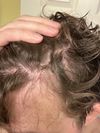
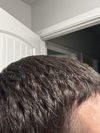
The user is experiencing hair regrowth after two months of using topical finasteride and minoxidil, despite some thinning on the sides. They also take vitamin D, iron, a multivitamin, and biotin.
PTD-DBM therapy for hair loss is being developed by Dr. Kang-Yell Choi, with human testing planned in South Korea. Some clinics in the U.S. offer PTD-DBM/valproic acid therapy, but it hasn't completed trials yet.
The user discusses using dutasteride to stop hair loss and bimatoprost for regrowth. They plan to use VEGF with hydrogels for potentially permanent hair follicle improvement and suggest PRP as an alternative.
The user experienced reduced hairfall after taking multivitamins, biotin pills, eating fruit, and drinking coffee. They are concerned about the lack of hair regrowth and seek advice on whether their hair will be alright.
The user has been using a hair solution with 0.3% finasteride and 5% minoxidil, along with microneedling, but is experiencing more thinning on one side. Suggestions include checking application techniques and ensuring microneedling is not overdone.
Stem cell therapy shows promise in treating hair loss by mimicking DHT-resistant cells from the back of the head. Traditional treatments like finasteride are also discussed, but stem cells could potentially offer a more permanent solution.
A 21-year-old male diagnosed with telogen effluvium and male pattern baldness started oral finasteride, which initially slowed hair loss and slightly thickened hair, but experienced increased shedding after surgery. The doctor recommended iron and vitamin D supplements, and the user is seeking additional advice.
A 34-year-old woman has been using a topical solution of 5% Minoxidil and 0.1% Finasteride since January 2026 to address hair thinning caused by PCOS and poor nutrition. She reports ongoing hair shedding but has improved her diet with whole foods and supplements.
Hair loss discussion includes treatments like Minoxidil, Finasteride, and RU58841. Users share experiences and support, mentioning that many people face hair thinning.
A user is seeking feedback on a homemade topical finasteride formula for hair loss, consisting of 7.5 mg of finasteride, propylene glycol, ethanol, and distilled water. They aim to achieve a 0.0125% solution by applying 2 ml daily.
Minoxidil and finasteride are effective for hair loss, especially when used together. Microneedling may enhance minoxidil's effects, but its standalone effectiveness is uncertain.
Alfatradiol is often discussed at a 1% concentration, but studies typically use 0.025%. Some users report success using it as a topical treatment alongside other hair loss treatments like finasteride.
Clascoterone (Breezula) shows a potential 500% increase in hair growth, possibly outperforming minoxidil and finasteride. It is in advanced trials, with hopes for FDA approval, but cost and side effects are concerns.
People discuss hair loss treatments like finasteride, dutasteride, and minoxidil, debating side effects and effectiveness. Concerns about side effects, especially sexual ones, are common, with varying opinions on dosing strategies.
A user with diffuse thinning noticed stubble-like hairs on their scalp after using 2% ketoconazole shampoo, dermarolling, castor oil, Vitamin D3, biotin, and iron supplements. They are unsure if this indicates regrowth or miniaturized hairs.
The conversation discusses using T3 (triiodothyronine) as a topical treatment for hair growth, with some users noting it showed promising results in studies but lacked follow-up. Users express interest in trying T3 due to its potential effectiveness compared to Minoxidil.
A 38-year-old female is experiencing hair loss despite having almost undetectable DHT levels after using dutasteride. Suggestions include checking for PCOS, thyroid issues, adjusting diet, considering the impact of birth control, and trying treatments like tretinoin, redensyl, retinol, and minoxidil with derma stamping.
The conversation is about a user's progress in treating diffuse hair thinning using a topical regimen including finasteride, minoxidil, ketoconazole, microneedling, saw palmetto, collagen, and vitamins, along with lifestyle changes. The user plans to switch from topical to oral finasteride for potentially better results.
Personal experience with Procyanidin B2 shows it's ineffective for hair loss. Viviscal Pro supplement tablets, containing Procyanidin B2, didn't help after 8 months of use.
Omega 3 and 6 supplements are considered ineffective for hair growth by most users, with some suggesting they only help if combined with other nutrients or if the diet is poor. Users generally find traditional treatments like minoxidil and finasteride more effective.
The user experienced hair thinning on TRT and considered various treatments suggested by an online clinic, including GHK-Cu Scalp Serum and Minoxidil blends. The consensus is that only finasteride or dutasteride effectively stop hair loss, while Minoxidil can thicken hair.
A female user is considering using RU58841 with minoxidil 2.5% to reduce side effects like facial hair from minoxidil 5%, while also using copper peptides and a hair serum. Other users discuss alternative treatments like spironolactone, alfatradiol, and the side effects of finasteride.
Hair loss treatment with latanoprost, minoxidil, and biotin showed progress. Latanoprost, a glaucoma drug, stimulates anagen phase and increases conversion of vellus hair to terminal hair.
Minoxidil, finasteride, and RU58841 are suggested for hair loss treatment. Supplements like biotin and saw palmetto may help but are not effective for androgenic alopecia.
A user is considering adding PRP and mesotherapy to their hair loss treatment and is deciding between two options: Promoitalia, which contains Phosphatidic acid, Riboflavin, and Superoxide dismutase, and the more expensive Melsmon, a human placenta derivative. They seek advice on which option to choose based on effectiveness and scientific backing.
The user experienced significant hair regrowth using 1mg finasteride every other day, 5% minoxidil twice daily, and ketoconazole shampoo. The progress was noted as impressive, with some users questioning the authenticity of the results.