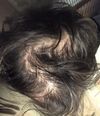
The conversation discusses using topical cetirizine for hair loss and questions its effectiveness and preparation. A user expresses interest in trying it if it can be dissolved in minoxidil.
The user improved diffuse thinning without finasteride by using minoxidil foam, cold showers, gentle hair drying, 2% ketoconazole, sulfate-free tea tree oil shampoo, dermastamping, and supplements like Omega-3, Vitamin-D, Biotin, Keratin, Collagen, B3, Zinc, and Magnesium. The regimen was followed for about six months under dermatologist guidance.
A 24-year-old woman with thinning hair is using Minoxidil, saw palmetto, biotin, rosemary oil, and ketoconazole. She seeks advice on whether to try finasteride or dutasteride, the effects of Minoxidil shedding, and the significance of her hair follicle condition.
A user is asking about the effectiveness of "Minoxidil tincture 5% Purified Water" compared to other Minoxidil 5% products. They experienced itching and redness with other Minoxidil products and suspect they might be allergic.
A user is making a homemade topical finasteride solution by dissolving crushed finasteride tablets in ethanol and PG. They are unsure if the final solution maintains the intended concentration after filtering and are considering adding more ethanol to ensure accuracy.
The user is currently using Minoxidil with melatonin, rosemary, peppermint, azelaic acid, and RU58841 for hair loss and plans to add fluridil and Pyrilutamide. They seek advice on the best Pyrilutamide source, noting Actifolic worked briefly.
Piroctone Olamine at 1% is recommended for reducing scalp inflammation and encouraging hair growth. The user seeks recommendations for UK shampoos/conditioners containing this ingredient.
The user added witch hazel to their routine with finasteride and topical minoxidil to reduce scalp itching and potentially help with hair loss. They find witch hazel affordable and effective for itch relief, though its impact on hair loss is still uncertain.
The post is about a user considering using topical Melatonin for hair loss and asking if any melatonin spray can be used for this purpose. The user also seeks clarification on the required percentage of Melatonin in the spray, while a respondent shares their experience of the spray making them sleepy.
The conversation is a satirical discussion about using grapefruit for hair regrowth, with suggestions ranging from injecting it to applying it topically or anally. Some users claim unusual benefits like emitting a green aura or jumping high.
The conversation is about using a topical spray containing minoxidil, finasteride, and tretinoin for hair regrowth over six months, with positive results and minimal side effects. The user also mentions using biotin and alpecin, and discusses the benefits of topical application over oral forms.
The conversation is about creating a topical finasteride solution without minoxidil, using an alcohol-based base like ethanol. The discussion includes using finasteride in powder form and mentions adding ingredients like glycerol, salicylic acid, or castor oil.
A 30-year-old woman shared her 4-month hair loss progress using minoxidil, rosemary oil, and Nizoral shampoo. She posted before and after pictures taken three months apart.
GeneTherica is discussed as a source for RU58841, with ordering possible via WhatsApp. The conversation focuses on the legitimacy of this supplier for hair loss treatment.
Cyperus rotundus oil is suggested as a natural treatment for androgenic alopecia, potentially inhibiting hair growth without affecting testosterone levels. The conversation questions its effectiveness and safety for scalp use.
A user is using a topical spray containing Finasteride 1% and Minoxidil 5% along with other ingredients like glycerin and aqua, questioning if these are effective carrier agents. They apply it once daily and use a separate 5% Minoxidil solution at night.
The conversation is about a user experiencing hair shedding after using a brand of RU58841, questioning its effectiveness and safety. Concerns are raised about RU58841 being an abandoned research chemical and the use of heavy oils like castor and argan oil potentially affecting absorption.
A user is documenting their natural approach to treating a receding hairline using a dermastamp, essential oils (rosemary oil at 3% dilution with pumpkin seed oil), a multivitamin with vitamin D, and daily collagen shakes. They acknowledge the common recommendations of minoxidil and finasteride but prefer to test natural methods and share their results.
The conversation discusses using a combination of DHT gel, dutasteride, pyrilutamide, and minoxidil to promote beard growth while minimizing hair loss. Users suggest consulting a doctor and considering genetic factors before proceeding.
A user shared a homemade hair loss treatment spray containing minoxidil, Japanese Sato Arovis, essential oils, and isopropyl alcohol, used alongside microneedling. They experienced initial shedding followed by strong hair regrowth after five months of use.
Castor oil's effectiveness for male pattern baldness, receding hairline, and thinning crown is questioned, including its application method and potential side effects. The user also mentions experiencing hair shedding with coconut oil.
The user is considering adding Stemoxydine to their hair loss regimen, as they already use topical finasteride with rosemary and cannot use Minoxidil. They are seeking feedback on Stemoxydine and Alphatradiol, and another user mentions 2-deoxy-d-ribose as a potential option.
The user mixes their own RU58841 solution and found that increasing the ethanol content improved absorption and reduced scalp itching. A study on minoxidil showed that penetration increased with higher ethanol concentrations, reaching maximum penetration at 90% ethanol.
RU58841 helped reduce scalp itching for some users within a week, while others experienced immediate relief. Some users reported initial irritation from the solution, possibly due to the carrier used.
A 24-year-old male experiencing increased hair thinning and shedding recently started using rosemary and castor oil, microneedling, and an anti-dandruff shampoo. He is considering adding Saw Palmetto and seeks recommendations for a good shampoo.
The user reports the best results for hairline regrowth using 3 drops of minoxidil under the tongue once daily, after trying various treatments including loniten, topical minoxidil with estrogen, dutasteride, and finasteride. Additional regimen includes occasional tretinoin, collagen peptides, crude oil massages, violet ray device, nizoral, and Listerine for scalp health.
A user shared progress pictures showing significant hair regrowth in the crown area after oiling their hair and scalp twice a week for two months. They used a mix of rosemary, jojoba, coconut, argan, castor, and olive oils.
The user is trying topical melatonin for hair loss and reports feeling tired and unmotivated, considering using it only at night due to restlessness. No hair regrowth noticed after 4 days.