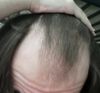
Using a routine of 5% minoxidil, microneedling, and tretinoin for hair loss. The user seeks advice on the ideal weekly schedule for applying these treatments.
A 23-year-old experiencing diffuse hair thinning has chosen a treatment stack including topical finasteride, a blend of rosemary, peppermint, and pumpkin seed oils, procyanidine B2 spray, ketoconazole shampoo, and scalp massages. They avoid minoxidil due to family history of side effects and oral finasteride due to high estrogen levels.
Improved diet, reduced alcohol consumption, and better water quality led to thicker hair and less shedding. The user also used MSM supplements, vitamin C, multivitamins, biotin shampoo, and growth oil.
A 40+ year old is regrowing their hairline using microneedling, minoxidil, tretinoin, low-level laser therapy, massages, and Nizoral, without using finasteride or dutasteride. They noted progress in hair growth below a birthmark, an area that hadn't seen growth since their teenage years.
Adding non-prescription topicals like alfatradiol and Zix to a standard fin/min/niz regimen may help with scalp inflammation and shedding, but their long-term effectiveness varies. Zix is recommended for reducing scalp inflammation and enhancing the effectiveness of other treatments.
Treating Seborrheic Dermatitis, a fungal scalp condition which can cause hair loss. Treatments discussed include antifungal shampoos, cold showers, exfoliating the scalp, taking Vitamin D, and stimulating the prostate through the anus.
MCL-1 is important for hair follicle stem cell survival, but its impact on human hair regrowth is unclear. Minoxidil and finasteride are the main treatments, with doubts about new discoveries leading to effective human solutions soon.
The conversation discusses a user's positive experience with hair regrowth using topical finasteride, minoxidil, and microneedling after 2.5 months, noting initial shedding but improved hair density, especially at the temples, possibly eliminating the need for a hair transplant. The user is satisfied with the current treatment and is hesitant to try the experimental drug RU58841, hoping the current routine will suffice for further improvements.
The user has seen great results from microneedling but is worried it might lead to faster balding without medication. They are considering adding Finasteride or Dutasteride to their routine to address underlying DHT issues.
Microneedling combined with minoxidil is more effective for hair growth than microneedling alone. Optimal results are seen with weekly microneedling using 0.5 - 1mm needles and regular minoxidil application, avoiding minoxidil on the needled area for 24 hours.
Clascoterone in Winlevi, a topical AR antagonist, is being re-examined due to concerns about HPA axis suppression in adolescents, but it's unlikely to be banned for adult use in androgenetic alopecia (AGA). The European Medicines Agency recommended refusing Winlevi for acne vulgaris, but this may not affect Breezula's approval for AGA.
The conversation discusses natural ways to reduce cortisol, such as avoiding caffeine, getting proper sleep, syncing with the sun, walking in nature, breathing exercises, increasing calories, and not doing keto. Magnesium supplements are recommended for stress reduction.
Microneedling, ketoconazole, and tretinoin are discussed as hair loss treatments, with tretinoin favored for its long-term benefits and potential to turn minoxidil non-responders into responders. Microneedling is recommended for initial use, ketoconazole for dandruff, and tretinoin for continuous use due to its skin benefits.
The post and conversation are about the role of the enzyme 3alpha-hydroxysteroid reductase in hair loss and the potential of compounds like procyanidin B2 and sulforaphane to boost its activity for hair regrowth. Further research is needed to develop effective treatments based on this theory.
The conversation discusses the potential effects of spearmint on acne and male pattern baldness (MPB). Concerns are raised about spearmint's androgen-suppressing effects and its suitability for men.
The conversation discusses the scalp tension theory as a potential factor in hair loss, alongside DHT, inflammation, and other mechanisms. Treatments mentioned include finasteride, minoxidil, and botox injections, with some users exploring additional methods due to varying effectiveness.
A user shared their 3-month hair growth progress using 1mg oral finasteride, 5% topical minoxidil, and microneedling with a 1.5 mm dermaroller twice weekly. The user received positive feedback and expressed a desire for thicker hair in the future.
The conversation discusses hair loss treatments, specifically using topical finasteride and minoxidil combined with microneedling, along with supplements like collagen, vitamin C/D, and saw palmetto. The user also mentions using a DHT-blocking shampoo and experimenting with cold showers and contrast therapy for hair health.
A peptide-based delivery system for finasteride shows promise in reducing systemic side effects while maintaining hair growth effectiveness. Combining this with other treatments like minoxidil and RU58841 could enhance results with lower systemic absorption.
The conversation discusses using tretinoin with topical minoxidil for hair regrowth, despite previous non-response to minoxidil and concerns about oral minoxidil's heart risks. The user is also on dutasteride and is considering a hair transplant if other options fail.
The conversation is about someone's hair transplant progress after 8 months, questioning if results will improve. They use topical minoxidil and finasteride, a dermapen, vitamins for hair, and aminexil shampoo, and sometimes do scalp massages.
The conversation discusses using a 4-in-1 spray containing minoxidil, tretinoin, caffeine, and melatonin for hair loss. Users consider the potential benefits of combining these ingredients, with some interest in a comprehensive approach to treatment.
A user who didn't respond well to minoxidil and finasteride is considering the role of IGF-1 in hair loss treatment effectiveness. They discuss the potential of using HGH to improve hair growth and other health issues, referencing several sources that suggest IGF-1 levels may influence hair loss and treatment response.
A 15-year-old experiencing hair loss and anxiety is using minoxidil and microneedling but is advised against starting finasteride or dutasteride due to age. The discussion emphasizes consulting a doctor, considering hormonal evaluations, and exploring non-medication coping strategies.
The user is seeing positive results in hair growth using a combination of topical minoxidil, finasteride, microneedling, and keto shampoo. They also use a red light panel for collagen rebuilding and are happy with the progress.
Human pluripotent stem cells have been used to create hair and skin, potentially offering a new solution for baldness. A user also mentioned starting finasteride but experiencing unexpected hair thinning.
Using a dermaroller with topical minoxidil and oral finasteride regrows hair and improves temple areas. Users highlight the benefits of microneedling tools and stress the importance of consistency and proper sanitation.
The conversation is about hair regrowth using high-dose dutasteride, oral minoxidil, and microneedling. Users discuss seeing tiny hairs and hope they will become terminal, with advice to use derma rolling weekly for better results.
A user's 3-month update on their hair loss treatment, which consists of topical Minoxidil (6%), topical Finasteride (0.3%) and microneedling 1.5mm weekly; other users shared positive feedback and asked about the specifics of the treatments being used, such as product/brand, frequency, side effects and areas for microneedling.