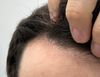
A user diagnosed with Crohn's disease is concerned it might contribute to balding. They have been using keto shampoo, finasteride, and oral minoxidil, which improved their hair but not significantly.
The user started oral minoxidil, finasteride, and later switched to dutasteride, also using Nutrafol, dermastamp, and ketoconazole shampoo, but experienced increased thinning with little regrowth. Others advised patience, suggesting it takes 6-18 months to see results, and noted that initial thinning is normal when switching treatments.
The user reports some hair regrowth after two months of using 1.5mm microneedling with Minoxidil and Nizoral shampoo. They note reduced pain and skin flaking, attributing changes to skin thickening and collagen induction.
The conversation discusses various treatments for hair loss, including finasteride, minoxidil, dutasteride, microneedling, and checking for nutrient deficiencies. Some users suggest adding hydrocortisone butyrate, low-dose progesterone, or tretinoin to treatment regimens, while others recommend cosmetic solutions like Toppik hair fibers or shaving the head.
The user experienced side effects from a hair loss treatment and is considering using pyrilutamide, alfatradiol, and possibly minoxidil. They are unsure about starting minoxidil immediately or waiting to see the effects of the other treatments.
The user is experiencing breast tenderness and lumps after three weeks on 0.5 mg oral finasteride, a common side effect. They also report mild brain fog and fatigue but are less concerned about these symptoms.
The conversation discusses a personal theory on the role of DHT in stress and reproduction, suggesting it converts testosterone for reproductive traits. The discussion includes skepticism and mentions individual differences in physiology and neurochemistry.
Dutasteride mesotherapy is discussed as a hair loss treatment, with opinions on its effectiveness compared to oral dutasteride. The treatment is noted for being expensive, potentially painful, and more popular in Europe, with some users questioning its advantages over traditional methods.
The individual is experiencing hair loss due to insulin resistance (IR) and is seeking advice. They are currently using a keto diet, supplements, exercise, and plan to add metformin to their regimen.
The conversation discusses experiences with Dutasteride Mesotherapy for hair loss. Users share their results and compare it to other treatments like Minoxidil and Finasteride.
The user started using minoxidil and finasteride for hair loss but stopped minoxidil due to scalp issues and tinnitus. They experienced testicular pain, shedding, and side effects like itchy chest and watery sperm, but noticed considerable hair regrowth except at the temples.
The user has maintained their hairline with finasteride for 5 years and saw no results from minoxidil. They are inquiring if tretinoin alone can cause hair regrowth.
The user experiences irritation from alcohols in minoxidil and is considering alternatives like trichosol mixed with polyethylene glycol or DMSO. They seek advice on the best nonirritating option.
The conversation is about applying tretinoin on the scalp for hair loss, with tips on mixing it with minoxidil foam and using a thin layer to avoid flaking and dryness. Suggestions include exfoliating with rosemary or coconut oil and wearing a hat for sun protection.
A user successfully managed finasteride-induced gyno symptoms by making lifestyle changes, including fasting, avoiding soy, and increasing cardio. They resumed finasteride with a lower dose combined with minoxidil and P7 vitamins without recurrence of symptoms.
The user has high free testosterone and is still experiencing hair loss despite taking dutasteride and oral minoxidil for over three years. They are considering adding a topical anti-androgen like RU58841.
A 78-year-old man regrew hair after suffering burns, suggesting that injury-induced healing processes might trigger hair growth. Microneedling and other treatments like minoxidil and finasteride are discussed as potential methods to stimulate similar regrowth.
King Thutmose IV's hair retention is humorously speculated to be due to treatments like finasteride, minoxidil, or other unconventional methods. The discussion includes jokes about genetics, ancient practices, and modern hair loss solutions.
The conversation discusses using minoxidil with microneedling and considering tretinoin to enhance hair growth, especially for those who are weak responders to minoxidil. It also explores the potential of using tazarotene, a stronger retinoid, to boost minoxidil's effectiveness and addresses purchasing tretinoin from Germany.
Topical Dutasteride is more effective than topical Finasteride for treating AGA in men, with fewer side effects. Mesotherapy with Dutasteride, administered every 3 months, shows promising results for hair regrowth and maintenance without daily routines or significant side effects.
Clascoterone is being discussed for hair loss, but its current acne formulation may not be suitable for scalp use due to potential skin irritation and lower dosage compared to Breezula. Users mention other treatments like finasteride, minoxidil, and pyrilutamide, with some expressing skepticism about clascoterone's effectiveness for hair loss.
A user discusses their experience with at-home microneedling at 1mm for hair growth, feeling like they're hitting their skull. Other users suggest lowering the needle depth or stopping due to discomfort.
A 20-year-old male with diffuse androgenetic alopecia tried homeopathy for hair regrowth but saw limited results due to inconsistency and is considering switching to minoxidil and finasteride. Despite some baby hair growth, hair fall hasn't stopped, and he believes more time and consistency might be needed.
Clascoterone 5% topical solution is effective and safe for long-term use in treating male pattern hair loss. Cosmo Pharma aims for EU and US approval, with a potential US release in late 2027 or early 2028.
After 10 months, the user's hairline and midscalp look thick following a 6100 graft FUE hair transplant in Turkey. They plan to address the crown in a few months.
A compound called MTP3 from the Monoterpene family was found to be safe and highly effective at treating hair loss by inhibiting the FGF5 gene, but its identity is undisclosed for commercial reasons. No specific treatments like Minoxidil, finasteride, or RU58841 were discussed.
The post and conversation are about a user seeing hair regrowth after using Rogaine, rosemary oil, pumpkin seed oil, saw palmetto, microneedling, and LLLT. The user plans to add Nizoral soon and is hopeful about continued progress.
Tretinoin may improve minoxidil's effectiveness for hair growth, but results vary; some users report no change or potential hair loss acceleration. Tretinoin is included in some topical hair loss treatments sold by dermatologists and online companies.
Isoflavones from soybeans may help limit estrogen's effects on the body, potentially preventing gyno. However, surgery is the only way to remove gland enlargement.