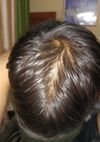
A new hair loss treatment called TDM-105795 is discussed as a potential replacement or add-on to Minoxidil. Users express hope for new effective treatments.
Pyrilutamide, a potentially effective hair loss treatment; other topical treatments like RU58841 and CB-03-01 that may have fewer side effects than Pyrilutamide; and the Phase 3 clinical trials of Pyrilutamide, which is likely to be approved by the FDA soon.
A 20-year-old diffuse thinner has been using finasteride for 8 months and is considering adding minoxidil to their routine. A user suggests incorporating minoxidil for quicker regrowth, despite the hassle of daily application, while continuing finasteride.
Microneedling and tretinoin may need to be continued indefinitely to maintain minoxidil's effectiveness for hair loss. The user is aware that stopping minoxidil will result in losing its benefits.
Oral minoxidil is more effective than topical for some users, increasing hair density and thickness. Lack of response to topical minoxidil may be due to insufficient sulfotransferase enzyme, which can be upregulated with tretinoin.
The conversation is about creating a DIY hair loss treatment solution using pyrilutamide powder, stored in an old minoxidil bottle. The user is seeking advice on how to best replicate Kintor's trials and the ideal storage conditions for the solution.
Pyrilutamide, a new drug being tested to combat hair loss that has been found to perform comparably or better than finasteride and dutasteride in the initial 6 months of treatment with minimal reported side effects.
User seeks treatment to increase minoxidil efficacy. Suggestions include microneedling, oral minoxidil, and Tretinoin, with mixed experiences and side effects.
The user discusses using a topical solution with minoxidil, finasteride, and additional ingredients like apigenin, oleanolic acid, and biotinoyl tripeptide. They question if this combination is more effective than using just minoxidil and finasteride alone, noting they are already taking oral finasteride.
Hair loss discussion includes homemade 15% Procyanidin B2 apple skin extract as alternative to Minoxidil. User reports thicker hair, but no new growth yet.
A user shared their successful hair loss treatment using 1.25mg finasteride daily, 2.5mm microneedling every 1-3 weeks, zinc pyrithione shampoo, occasional scalp massages, and 40% glycolic acid on temples. They reported significant progress over 21 months.
The user is using 0.1% dutasteride, 1% minoxidil with 2% procapil and 0.005% caffeine in the morning, and 1% minoxidil with 2% procapil and 0.01% tretinoin at night. They are concerned about the solution vehicle's effectiveness in preventing systemic absorption and ensuring the products stay around the hair follicles.
JW0061 shows superior hair growth results compared to existing treatments, with significant increases in hair follicles. The Wnt/β-catenin pathway is crucial for hair growth, and JW0061 activates this pathway effectively.
The conversation discusses hair loss treatment results after 5 months using Minoxidil, microneedling with a 1mm length every 5 days, Tretinoin (0.0025%), and Nizoral. The user noticed an increase in hair density.
The user applied topical 0.1% finasteride and 5% minoxidil, along with weekly microneedling, resulting in significant hair regrowth. The user also lost 10kg through diet and exercise.
The user experienced significant hair regrowth using Trestolone, GHK-Cu, and Minoxidil. They avoided Finasteride due to concerns about side effects and noted that their approach reduced androgenic load, contributing to hair regrowth.
The user is using a topical spray containing finasteride, minoxidil, ketoconazole, and biotin for hair loss and plans to add weekly dermastamping, starting with a needle length of 0.6mm. They seek advice on the safety of combining these treatments, the impact of skipping one dose weekly, and the frequency of replacing the dermastamp.
The user is using a topical solution with finasteride, minoxidil, and tretinoin and is considering adding GHK-Cu to enhance hair growth and quality. Another user suggests diluting GHK-Cu and storing it in a smaller, refrigerated bottle.
A user is considering microneedling to enhance absorption of a prescribed topical hair loss treatment containing Minoxidil, Dutasteride, and Latanoprost, while already taking oral Minoxidil and Dutasteride. They seek advice on the effectiveness and safety of combining these treatments, especially due to the cost and their desire to maximize results.
Pyrilutamide, a possible hair loss treatment, ceasing to be traded due to patent laws; and the hope that this indicates it may be a legitimate treatment.
A 31-year-old has been using finasteride, dutasteride, and oral minoxidil for hair loss. They noticed a sudden triangular thinning patch on their scalp and are seeking advice, questioning if it could be medication-related.
The conversation discusses GT20029, a new topical drug for hair loss and acne without notable side effects, which has been accepted for investigational use in China. Some users express skepticism about the legitimacy of the company and the potential for other drugs like RU58841 to be developed due to patent expiration and lack of profitability.
A 25-year-old man has been using topical minoxidil 5%, oral finasteride 1mg, and microneedling for hair loss treatment for 14, 9, and 8 weeks respectively. He experienced watery semen after starting finasteride, but it normalized after a few days with no other side effects.
The user switched from Pyrilutamide to RU58841, changed their Minoxidil solution, and continued using low-dose Finasteride, derma rolling, and specific shampoo. They asked others about their plans after Pyrilutamide's disappointing results.
A user shared their successful hair loss treatment using RU58841, topical minoxidil, and microneedling, noting significant improvement over three months. They chose RU58841 over finasteride due to personal preference and reported no side effects, while others discussed their experiences with different treatments and supplements.
The conversation discusses a hair loss treatment regimen involving a homemade topical solution of Minoxidil and Tretinoin, combined with Finasteride and microneedling. Users share advice on Tretinoin application, emphasizing gradual use to avoid skin irritation.
The user is considering using tretinoin with minoxidil to enhance its effectiveness for hair loss, as oral minoxidil and finasteride aren't meeting expectations. They also mention ketoconazole topical as a potential scalp treatment.
Hair loss discussion involves experimenting with Sulforaphane from broccoli sprouts and possibly procyanidin b2. People seek updates on progress and if it's worth adding to treatment stack like microneedling.