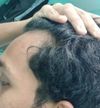
A user noticed worsening hairloss and is considering treatments. They plan to use finasteride, Rogaine, and a ketoconazole shampoo, and seek advice on their effectiveness and usage.
A user shared their experience with hairloss treatments, including RU58841, ketoconazole shampoo, caffeine shampoo, and topical finasteride. They found RU58841 effective for diffuse thinning but experienced severe hairloss after stopping it; topical finasteride worked well for a receding hairline but caused side effects. They also use a charcoal shampoo and practice scalp massages.
DHT promotes beard growth but causes scalp hairloss due to inflammation and fibrosis. Treatments like finasteride and minoxidil help with hormonal signals and blood flow but don't address underlying inflammation.
The conversation discusses using RU58841 for hairloss, with OP experiencing thinning in the front area and steady hairloss. OP plans to try microneedling while avoiding finasteride and dutasteride.
The conversation is about a 19-year-old female experiencing hairloss, potentially due to deficiencies in iron, ferritin, and vitamin D. She is considering iron and vitamin D supplementation and exploring dietary changes, while also planning to consult a dermatologist when possible.
A 21-year-old male shared his extensive hairloss treatment protocol, which includes Dutasteride, RU58841, Ketoconazole shampoo, oral Minoxidil, pyrilutamide, MK677, dermastamping, and castor oil, and reported improved hair regrowth and overall well-being. He has experienced no side effects and has also improved his diet and lifestyle.
The conversation discusses hair thinning and the potential role of vitamin D deficiency in hairloss, with suggestions to take vitamin D3 supplements. The user also mentions having diffuse thinning and a slightly receding hairline.
A 24-year-old male started using finasteride, minoxidil, biotin, and vitamin D for hairloss but noticed worsening thinning and white patches on his temples. He seeks advice on improving his regimen, which includes topical minoxidil and a shampoo for seborrheic dermatitis.
A 22-year-old is experiencing hairloss, particularly fuzzy hair in the front, and is concerned about male pattern baldness. Treatments mentioned include Propecia (finasteride), minoxidil, PRP treatments, dermarolling, peppermint oil, and apple cider vinegar.
Greasy or product-laden hair can make the scalp appear more visible, leading some to mistakenly think they are balding. Proper hair washing and avoiding heavy products can help assess true hair thickness, and treatments like finasteride are used by some for actual hairloss.
A 20-year-old with aggressive hairloss is using oral minoxidil and finasteride, considering a buzz cut to manage appearance. Most suggest a buzz cut or shaving, recommending patience with medication and possibly trying RU58841 or dutasteride.
Hairloss is linked to DHT, with treatments like finasteride and minoxidil being common but not definitive. Economic interests influence research, and there is potential for new treatments like PP405 and RU58841.
User reports worsening hairloss despite using Avodart 0.5mg daily and 2ml of Minoxidil daily for over three years. They maintain a healthy lifestyle and are athletic.
A 22-year-old man shared his experience with hairloss, which began at age 20, and his treatment with finasteride and oral minoxidil, planning to add microneedling. Since experiencing hairloss, he has changed his perspective and now notices other men's hairloss more, viewing them positively, and others in the conversation relate to this shift in perception.
Hairloss discussion includes delay in others noticing balding, using hair fibers for peace of mind, and taking before and after photos. Finasteride and Minoxidil are mentioned as treatments.
The user is experiencing hairloss with possible causes including chronic telogen effluvium, diffuse alopecia areata, and androgenic alopecia. They have tried treatments like Nizoral shampoo, minoxidil, and finasteride, and are considering a biopsy for further clarity.
A 23-year-old male is experiencing rapid hair thinning and receding hairline, feeling emotionally drained. He has tried GFC, PRP, ketoconazole shampoo, and supplements without improvement and is considering minoxidil, finasteride, and possibly a hair transplant.
Hairloss without a white bulb may indicate mechanical damage, anagen effluvium, alopecia areata, or traction alopecia. Seeking a specialist is recommended, but access can be difficult in smaller areas.
High cholesterol may accelerate hairloss by reducing blood flow and increasing DHT levels. Treatments mentioned include Minoxidil, finasteride, and RU58841.
The user experienced hair thinning from chromium and alpha lipoic acid supplements, which stopped after discontinuing them. Someone mentioned this could be telogen effluvium, a temporary condition.
A woman experiencing severe hairloss since age 20 is seeking advice on hair transplants for women. Minoxidil hasn't worked for her, and she's considering shaving her head or getting a wig.
The conversation discusses a hairloss treatment involving oral minoxidil, topical finasteride, and a custom topical formulation with minoxidil, cetirizine, finasteride, progesterone, and hydrocortisone. The user seeks advice on the effectiveness of these ingredients for diffuse thinning.
Hairloss is emotionally challenging, but acceptance and focusing on other life aspects are important. Treatments like finasteride, minoxidil, and RU58841 are discussed, with emphasis on the emotional impact over physical changes.
A 16-year-old is experiencing thinning hair at the front and shedding during showers. He is concerned about potential early baldness and is considering seeing a doctor and taking multivitamins.
The emotional and psychological impact of hairloss in young people, how to cope with it, and potential treatments such as finasteride, RU58841, Minoxidil, SMP, and hair transplants.
An 18-year-old is experiencing worsening hairloss, feeling isolated, and considering treatments like Minoxidil and finasteride. Others suggest seeing a dermatologist to determine the cause and potential treatments.
A woman discovered her long-term hairloss was due to undiagnosed anemia, with ferritin levels as low as 9. After starting iron supplements, she saw significant hair regrowth, especially in previously bald areas, though some spots remain unchanged.
A 26-year-old male with a family history of early baldness documents his hairloss journey, using finasteride, dutasteride, and Nizoral, along with lifestyle changes like weightlifting and a vertical diet. Despite some stabilization, he continues to experience thinning and remains determined to fight hairloss.