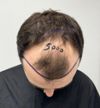
Hair transplant results after 1 year discussed, with mostly positive feedback on density and appearance. User considers another surgery for hairline, but overall improvement noted.
A 21-year-old experiencing significant hair loss is considering a hair transplant and has been using finasteride and biotin, with plans to switch to dutasteride and oral minoxidil for better regrowth. They are seeking advice on the number of grafts needed, with suggestions ranging from 2,500 to 6,000, and are exploring different clinics and treatment options.
A transgender individual is starting spironolactone and estradiol for hormone replacement therapy (HRT) and is considering adding finasteride to help with hair loss. They are also planning to use minoxidil and microneedle, but are unsure if they need to use another anti-androgen or more aggressive treatments. A respondent advises against using pyri and suggests waiting to see if the HRT alone is sufficient before becoming dependent on minoxidil.
The user is exploring alternatives to hair transplants due to a weak donor area and is currently using finasteride, minoxidil, dermapen, low-level laser therapy, Nizoral shampoo, and a high-protein diet. They plan to switch to dutasteride and consider adding RU58841, while rejecting hair systems and considering a buzz cut.
The conversation is about a transgender individual's experience with hair regrowth using topical minoxidil and hormone replacement therapy (HRT), expressing concern about the slow growth and thin appearance of their hair. Some responses encourage patience and highlight the variability of results, while others discuss the role of HRT and its effects.
A user diagnosed with lymphoma is advised to stop finasteride during chemotherapy, with suggestions to consider treatments like Dutasteride and Minoxidil post-recovery. The focus is on prioritizing health over hair loss, with encouragement and advice from others who have experienced similar situations.
User experienced hair growth with finasteride and minoxidil, but after using tretinoin, faced aggressive thinning and hair loss. They plan to stop tretinoin for two months to see if the problem improves.
A user shared their experience with hair transplant scab removal, noting that most scabs came off easily without bleeding by using oil and shampoo. They sought advice on whether any hair was lost during the process, and others reassured them that no hair was lost and to trust the healing process.
A 35-year-old MTF individual shared their hair recovery journey, using Minoxidil, Dutasteride, Estradiol, Spironolactone, Microneedling, and Exosomes. They recently had a hair transplant and are documenting the healing process.
A successful hair transplant with 3100 grafts combined with topical finasteride, minoxidil, Viviscal, biotin, sulfate free shampoo and Nizoral. People in the conversation talk about how the results look perfect and discuss the number of grafts and cost involved.
A 30-year-old man experienced significant hair loss after starting testosterone replacement therapy (TRT), which did not improve with daily finasteride and minoxidil. He is considering restarting TRT and is seeking advice on using pyrilutamide or RU58841 to prevent further hair loss.
The user plans to switch from minoxidil to finasteride or dutasteride for hair loss, while managing hormones with aromatase inhibitors and SHBG blockers. They seek advice on the best options for these treatments, considering past side effects and future therapies.
The user is considering another hair transplant or scalp micropigmentation (SMP) for a congenital bald spot, but previous transplants were less effective due to scar tissue. Suggestions include using hair fibers, changing hairstyles, or doing nothing, as the spot is not very noticeable.
A user shared impressive progress at 4 months post-hair transplant with 5120 grafts by Dr. Ahmet Yildirim in Istanbul. The user expressed satisfaction with the results, which exceeded expectations.
The user had a hair transplant in Toronto to restore their hairline and crown, using 2400 grafts in the first procedure and is happy with the results. They are using Minoxidil and finasteride, and note that their hair is thinner on the back and sides due to graft removal.
The user is experiencing stage 2 hair loss and thinning, noticing more scalp visibility with short hair. They are considering diet, yoga, scalp massage, supplements, and a serum recommended by their doctor, and questioning if it's safe to stop using the serum and whether to get a blood test since hair loss isn't a family trait.
A 41-year-old South Asian individual feels hopeless about hair loss and cannot use oral finasteride or dutasteride due to existing gynecomastia. They are seeking advice on alternative treatments.
A 28-year-old man is considering whether to proceed with a hair transplant in February or continue using oral minoxidil, finasteride, and dermastamping, which have shown great progress in 3.5 months, to achieve desired results by his wedding in September 2026. Most responses suggest postponing the transplant to avoid potential "shock loss" and relying on the current treatment and hair fibers for the wedding.
A user is excited about scheduling a hair transplant for July 1st, after 2 years of using Minoxidil, finasteride, and RU58841 with no regrowth. The transplant will cost €2500-€3000 for 1000-1200 grafts, and the user chose to have it done locally rather than traveling abroad to save money.
Stopping minoxidil for 10 days due to eye surgery, with concerns about hair loss. Most responses suggest a short break won't significantly impact hair, and emphasize prioritizing eye health.
A user who underwent a hair restoration procedure with 3,478 grafts by Jason Sorgi in Massachusetts, costing $8,500. The user is also using finasteride and minoxidil post-procedure, and is very satisfied with the natural-looking and dense results.
A 35-year-old man had a hair transplant in 2019 but experienced further hair loss due to not using finasteride or minoxidil. Many suggest shaving his head or considering a hair system, as his donor area is depleted and further transplants may not be viable.
A user underwent a second hair transplant for increased density and to address hair loss in the crown area, with 3,800 grafts at a cost of 2,200 euros at Estepalace, including additional services. Some commenters discussed the appearance of the hairline and the importance of using DHT blockers like finasteride or dutasteride post-transplant.
A satirical discussion about a hair transplant, with humorous comments on graft placement and clinic choice. The conversation includes references to a "Rebuild a Scalp Clinic" and jokes about using pubic hair and overharvesting.
The user underwent a second hair transplant for the crown and mid-scalp, achieving good density. They are using minoxidil, finasteride, and biotin, and considering PRP treatments to enhance growth.
A user who had a hair transplant in Turkey and shared their experience, as well as tips for those considering the same procedure. Other users then discussed their experiences with similar clinics, and offered advice on how to find reputable surgeons and avoid scams.
A 36-year-old had a hair transplant with 6,500 grafts 7 months ago, took 1.25mg of finasteride every other day for 5 months, and recently switched to 1mg daily along with 5% minoxidil spray. They are considering a touch-up transplant and are seeking advice on their progress and future expectations.
Estrogen injections significantly improved hair growth, particularly on the crown, after stopping finasteride. Monotherapy with estrogen led to hairline improvement, but also caused sterility and potential feminization effects.
A 25-year-old male experienced noticeable temple regrowth using 1mg finasteride, 2.5mg oral minoxidil, and 2mg GHK-Cu over three months. The user is pleased with the progress, especially on the left temple.