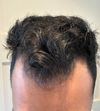
The user is using oral finasteride and minoxidil, microneedling, and plans to add topical minoxidil to boost hair growth. They are considering adding tretinoin but are unsure if it's necessary.
The user has been using oral Dutasteride, RU58841, and Minoxidil for three years without success and is considering adding topical Finasteride or Dutasteride to target DHT both locally and systemically. Other users suggest sticking to a consistent treatment plan, exploring different combinations, and considering other factors like potential misdiagnosis or inconsistent medication use.
A 20-year-old experiencing hair thinning became depressed and sought treatment. The new dermatologist prescribed a routine including topical minoxidil, finasteride, derma stamping, Nizoral shampoo, rosemary oil, and scalp massages.
A user suspects low iron might be causing hair loss and plans to get tested. They doubt low iron is the issue due to a balanced diet but want to rule it out.
The user has low testosterone and DHT levels and is considering taking finasteride for Norwood 2 hair loss with diffuse thinning. They are seeking advice on whether low DHT indicates high sensitivity to DHT in the scalp and opinions on their lab values.
A user who has had success with 1 mg of finasteride and 2% keto shampoo used twice weekly, as well as other treatments such as oral minoxidil, spiro, and RU58841 potentially being considered in the future for further hair growth.
After 4 months of using topical finasteride and minoxidil, blood tests showed increased E2, Test, and Prolactine levels. The user is concerned about potential side effects like gyno and is seeking advice on managing these values.
The user has tried various treatments for hair loss, including finasteride, dutasteride, and oral minoxidil, but is considering a hair transplant due to insufficient progress. Some users suggest that the treatments have at least stabilized hair loss, and recommend consulting clinics for a potential hair transplant while continuing medication.
A 23-year-old male with slight hair thinning is using ketoconazole shampoo, biotin, zinc, magnesium, D3/K2, and has just started topical finasteride (0.0125%). He plans to add minoxidil (4.5%) with 17α-estradiol and is seeking advice on the effectiveness and side effects of these treatments, as well as the use of a dermaroller.
A 36-year-old has been using oral finasteride (1 mg daily) and topical minoxidil twice a day since September 2023, and added LLLT (helmet) to their routine 2 months ago, seeing positive changes. They also use Ketoconazole shampoo, rotate other medical shampoos, train regularly, eat clean, and manage stress.
Finasteride users report reduced libido and increased hair shedding initially, but some see these as temporary or manageable side effects. Vitamin E and D-3 supplements are discussed as potential aids for libido and mood.
A user is concerned about hair loss in the temple area despite using Minoxidil and finasteride for 10 months and is curious if PP405 can help. Responses indicate uncertainty about PP405's effectiveness, with some optimism about future treatments and AI speeding up drug discovery, but emphasize waiting for clinical trial results.
A 26-year-old is experiencing worsening hair thinning despite using dutasteride 0.5 mg and oral minoxidil 5 mg, alongside ketoconazole for seborrheic dermatitis. Users suggest patience, as results may take 12–18 months, and consider increasing the dutasteride dosage or consulting a dermatologist.
The user switched from finasteride to dutasteride for hair loss and noticed elevated cholesterol levels, questioning if dutasteride caused this change. They also take Vitamin D, biotin, magnesium, ginkgo biloba, omega-3, and NAC, and are concerned about the impact of these supplements and their health on cholesterol levels.
The user tried non-finasteride treatments for a year with little success, but has seen some improvement in hair thinning after 10 months using topical finasteride/minoxidil. They also use microneedling, Nizoral, rosemary/castor oil treatments, and maintain a nutrient-rich diet.
A 21-year-old shared impressive hair regrowth results after nearly three years using 1mg finasteride and 2.5mg oral minoxidil daily. The user experienced shedding periods but reported no side effects, and the transformation was praised by many.
A user shared their experience with hair loss treatments, including oral and topical finasteride, minoxidil, and Nutrafol, experiencing side effects like erectile dysfunction and reduced libido. They are considering adjusting their treatment plan and exploring other options like dutasteride, oral minoxidil, or a hair system.
The conversation discusses treating side effects of hair loss treatments. Recommendations include lifting heavy weights, reducing body fat, taking ZMA and D3 supplements, improving diet, taking DIM, reducing finasteride dosage, avoiding alcohol, drinking water, getting quality sleep, and not obsessing over side effects.
The user experienced severe hair shedding despite using oral finasteride, minoxidil, dutasteride, and RU58841, and was diagnosed with Non-Alcoholic Fatty Liver Disease (NAFLD). They are considering switching to topical treatments due to the ineffectiveness of their current regimen.
A 25-year-old noticed thinning hair at the temples and started using finasteride (1mg/day) for two months, along with keto shampoo twice a week and vitamins like vitamin D, biotin, and zinc. They are seeing some results and are hopeful about regaining lost hair.
RT1640, a combination of cyclosporin A, minoxidil, and RT175, is discussed as a potential treatment for hair regrowth and repigmentation. The unique formulation aims to enhance hair follicle growth and restore hair pigment without the negative side effects of immunosuppressants.
A user is starting a hair loss treatment with a 3-in-1 spray containing 6% minoxidil, 0.3% finasteride, and 0.025% tretinoin. Users are skeptical about its effectiveness due to advanced hair loss, but some suggest adding microneedling and using affordable generics.
A 21-year-old male shared his extensive hair loss treatment protocol, which includes Dutasteride, RU58841, Ketoconazole shampoo, oral Minoxidil, pyrilutamide, MK677, dermastamping, and castor oil, and reported improved hair regrowth and overall well-being. He has experienced no side effects and has also improved his diet and lifestyle.
The user is using dutasteride, finasteride, and RU58841 for hair loss but is allergic to minoxidil. Suggestions include dropping finasteride, increasing dutasteride dosage, and considering alternatives like microneedling, laser treatments, scalp massage, and supplements.
The conversation discusses using Adenosine and caffeine, along with a multivitamin, for hair thickness and density. Another person suggests using finasteride and minoxidil.
A user shared a 3-month hair loss treatment progress using 0.5mg finasteride every other day, Naz shampoo twice weekly, and daily vitamin D and omega 3, without using minoxidil or dermarolling due to scalp sensitivity. Commenters noted the significant results from a low dose of finasteride and questioned the role of vitamins in the treatment.
A trans man experiencing hair loss after starting testosterone treatment has seen positive results using topical minoxidil and finasteride, though his hair remains thin. He is considering continuing his current treatment and exploring additional options like microneedling and Breezula, while acknowledging the impact of testosterone on hair loss.
A user shared impressive hair regrowth results after six months of using 1 mg oral finasteride daily, 2 ml topical minoxidil 5%, ketoconazole shampoo, and vitamin D and iron supplements. The user reported no side effects and attributed the success to a combination of treatments for androgenetic alopecia and iron deficiency.