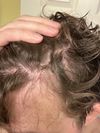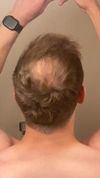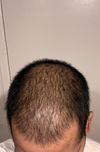
Adipose fat cells and stem cells may help treat hair loss by restoring the scalp's thickness. Treatments like NanoFat injections and Botox are discussed for their potential to promote hair growth.
Hair loss treatments like Minoxidil, finasteride, and stem cell therapies exist, but a complete cure is hindered by genetic complexity and market dynamics. Cloning hair follicles is considered a potential solution, but it's currently not feasible.
PP405 shows promise in hair regrowth, potentially outperforming existing treatments like finasteride and minoxidil, with significant results in just four weeks. The treatment is still in early stages, with further trials needed to determine its long-term effectiveness and optimal dosage.
People shared experiences with hair loss treatments like Minoxidil, Finasteride, and Dutasteride. Opinions varied on effectiveness and side effects, with advice to start early and adjust dosages based on individual reactions.
The user experienced significant hair regrowth using topical dutasteride, finasteride, and minoxidil, despite inconsistent application. The combination appears effective, possibly due to reduced scalp DHT levels, allowing minoxidil to work better.
RU58841 for hair loss, with users discussing sources, effectiveness, and side effects. Some users report side effects and question the long-term safety of RU58841.
PP405 is a potential new hair loss treatment that might replace finasteride and minoxidil, but it is still in clinical trials and may not be available until 2028-2031. There is skepticism about its effectiveness, with only a 20% increase in hair density observed in some participants.
The user shared their 21-month hair loss treatment journey using oral finasteride, minoxidil, microneedling, and ketoconazole shampoo, noting visible improvement by months 3-4 and reduced shedding after month 20. They experienced no side effects and emphasized this is based on personal experience, not medical advice.
PRP treatments have been effective for the user, with a new recommendation of using a high-quality plasma kit once a year. The user seeks experiences with this specific PRP approach.
A 28-year-old male has been using oral finasteride and minoxidil for over a year without seeing significant results in hair thickness, particularly in the front. He is considering adding dermastamping to his routine and is exploring whether topical treatments might be more effective.
The user is using Dutasteride, Minoxidil, microneedling, RU58841, and tretinoin for hair loss. They are experiencing shedding but notice new hair growth and are curious about the timing of future shedding phases.
A user shared their success with oral finasteride and topical minoxidil for hair loss, recommending these treatments to others. They emphasized the importance of informing others about effective treatments rather than relying on supplements.
A user tried microneedling for hair loss with a Dr. Pen at 0.8 mm and experienced bleeding, questioning if the intensity was too much. Others suggested a less aggressive approach, and one mentioned finasteride as a helpful treatment without side effects.
The conversation provides advice on hair loss treatments, emphasizing the importance of following instructions for Minoxidil and Finasteride use, considering micro-needling to enhance treatment effectiveness, and incorporating hair oils, vitamins, and appropriate shampoos. The user shares their personal regimen, which includes oral Finasteride, topical Minoxidil, rosemary oil, micro-needling, supplements, and specialized hair care products, and stresses the necessity of consistency for successful results.
A person shared their experience of going to the barber for the first time in 9 months after starting treatment with finasteride and minoxidil for hair loss. Another person related to this experience and mentioned they also started these treatments and previously used topical minoxidil with little effect.
The conversation discusses long-term hair loss treatment, with one person seeing hair darkening after 3 years using Minoxidil, Finasteride, and Dutasteride, and others sharing their shorter-term experiences with similar treatments. They emphasize that hair regrowth takes time and to not expect quick results.
The post and conversation discuss different methods of applying hair loss treatments directly to the scalp. The original poster suggests using a 1ml TB Syringe & Ophthalmic Cannula for precise application, while others share their own methods, including sprays, droppers, and simple syringes.
The conversation is about a user trying hair fibers to cover hair loss while waiting for Rogaine (Minoxidil) to work. Some suggest using Finasteride or other treatments for better results, while others criticize the appearance of the fibers.
The conclusion of the conversation is that the user, Michael_Scott1234, has been using topical minoxidil for a long time and recently started using oral finasteride and dermarolling. They have not experienced any side effects from finasteride and are happy with their progress.
A user shared their first progress picture after 60 days on finasteride for hair loss, having previously used minoxidil and other treatments. They thanked the community for discussions that encouraged them to try finasteride.
Maximum serum DHT suppression for finasteride occurs at 8 hours, while for dutasteride, it occurs within 1 to 2 weeks with daily dosing. Dutasteride mesotherapy will be followed by blood tests to check serum DHT changes.
People switching from Finasteride to Dutasteride after long-term use of finasteride and their results, including hair maintenance and increased thickness.
A user visited a dermatologist for hair loss and was prescribed Minoxidil without a physical examination, leading to skepticism about the thoroughness of the appointment. The user is considering seeking a second opinion due to the lack of tests or physical checks.
Long-term finasteride and minoxidil user shares tips for dealing with hair loss, including finding a shorter hairstyle, using finasteride, and not obsessing over hair. Users discuss washing frequency, alternative treatments, and focusing on other aspects of life.
The user started losing hair at 17 and tried various natural remedies and supplements with little success. They eventually found minoxidil effective in reducing shedding and recently began finasteride, experiencing no significant side effects and feeling more confident.
He Shou Wu (Fo Ti) extract was found to prolong the hair growth phase, inhibit 5-alpha-reductase (like finasteride), reduce androgen receptors, and increase growth factors, potentially outperforming minoxidil in recovering hair follicle size after DHT exposure. Two compounds, emodin and TSG, are identified as responsible for these effects and warrant further investigation.
The conversation discusses a hair loss treatment tier list, ranking treatments like minoxidil, finasteride, and scalp massages based on efficacy, convenience, and safety. Users express disagreement with the rankings, particularly questioning the placement of dutasteride and hair transplants.
Hair transplantation involves a detailed consultation, preparation, and a long-term recovery process with stages like initial shedding and gradual new hair growth over months. Setting realistic expectations is crucial for patient satisfaction.
Finasteride is being discussed as a significant treatment for male baldness, with some users sharing positive experiences and increased confidence, while others express concerns about potential side effects like loss of libido and erectile dysfunction. The conversation highlights differing opinions on the drug's impact and the broader societal implications of changing beauty standards.
Taking finasteride 3 times a week can provide similar benefits to daily use with potentially fewer side effects. Some users switch to topical treatments or adjust dosages to manage side effects while maintaining hair health.