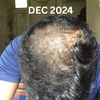
Hair loss treatments discussed include finasteride, minoxidil, and dermarolling. Users advise patience, noting initial shedding is common and treatments take time to show results.
Hair cloning may become available in 1-2 years in Japan, but widespread availability and affordability could take 7-15 years. Current treatments like finasteride are effective but may lose effectiveness over time.
Dr. Tsuji's stem cell hair multiplication procedure may offer a future solution for hair loss, but it is initially expected to be very expensive, with prices potentially decreasing over time. In the meantime, users discuss using treatments like finasteride, despite side effects, to manage hair loss.
The user experienced a significant drop in libido and energy after taking saw palmetto, which they believe caused these changes. They are seeking advice and reassurance, with some users suggesting that the effects may not be permanent and could improve over time with a healthy lifestyle.
The user has been using finasteride, minoxidil, vitamin B12, biotin, vitamin C, resveratrol, zinc sulfate, and Nizoral for 5 months without seeing results. Suggestions include reducing dermaroller frequency and trusting the process as more time may be needed.
The user is using oral dutasteride, oral minoxidil, topical minoxidil, finasteride solution, tazarotene, calcipotriol, and a peptide serum for hair loss but is concerned about continued hair shedding. They are advised to stop smoking as it may worsen hair loss and to give the treatments more time to work.
A 21-year-old male shares his 3-month progress using 0.5mg dutasteride daily, 5% topical minoxidil twice daily, and weekly microneedling, showing some temple recovery and seeking further improvement. Feedback suggests continued use and monitoring, with optimism for more regrowth over time.
The user is experiencing a second hair shedding phase after 7 months on finasteride, oral minoxidil, and ketoconazole, and is concerned about the sustainability of the treatment. Others encourage continuing the treatment, explaining that shedding is normal and should stabilize over time.
A 34-year-old underwent a hair transplant with 5,250 grafts, stem cell therapy, and PRP at Dr. Hakan Clinic in Istanbul, without using Minoxidil or Finasteride. Despite initial concerns about the hairline design, the user is optimistic about the results and plans to update progress over time.
High prolactin levels may contribute to hair loss, and some users suggest supplements like mucuna pruriens, vitamin B6, vitamin E, L-Tyrosine, L-Theanine, DIM, and Zinc to lower prolactin. Lifestyle changes to increase dopamine, such as reducing screen time and stress, are also recommended.
The user has been using Dutasteride, Minoxidil, and Biotin for three months and believes there is some hair regrowth, especially at the crown, with no significant side effects. Other users suggest that while some thickening and minor growth are visible, more time is needed for full results.
The user has been using finasteride for 5 months along with minoxidil, microneedling, and keto shampoo but hasn't seen significant regrowth and is considering switching to dutasteride. Others advise patience, suggesting waiting at least a year to see results, as finasteride often takes time to show effects.
The user is cautiously optimistic about their hair regrowth after 6 months of using minoxidil, finasteride, tazarotene, microneedling, ketoconazole shampoo, and rosemary oil. They report healthier hair and new growth, with side effects from minoxidil subsiding over time.
The conversation discusses hair loss treatments, specifically using Dutasteride 0.5 mg and topical Minoxidil 5% twice daily, with users sharing experiences and advice on using Finasteride and Minoxidil. Some users consider hair transplants, while others suggest giving medications more time to work.
A 20-year-old male using 1mg finasteride daily and 5% minoxidil twice a day for two months reported significant hair regrowth with no side effects. Users discussed the effectiveness of these treatments, the importance of consulting a doctor, and the potential for continued improvement over time.
The user regained hair and reduced forehead size using a routine of 1mg finasteride, 5mg minoxidil, topical minoxidil twice daily, tretinoin before minoxidil, derma stamping weekly, red light therapy daily, and ketoconazole shampoo thrice weekly. They experienced initial side effects with finasteride but adjusted the dosage over time.
The user is experiencing diffuse shedding but also hairline regrowth after starting finasteride, switching to dutasteride, and using oral minoxidil, ketoconazole shampoo, and RU58841. Other users advise patience, suggesting that the treatments need more time to show results and caution against using too many medications simultaneously.
Finasteride and dutasteride can show initial hair count increases within 12 weeks, but visible improvements often take longer, with many users reporting noticeable changes after a year or more. While early results may be seen under a microscope, significant cosmetic improvements typically require more time for hair to thicken and become visibly denser.
The user has been using a combination spray of finasteride, minoxidil, and tretinoin for 5 months, along with microneedling and biotin, and is uncertain about hair regrowth progress. Other users suggest more time is needed for results, with peak results at 2 years, and mention oral dutasteride as an effective treatment.
A 21-year-old is experiencing aggressive hair loss and questions the effectiveness of finasteride after 45 days of use, with high DHT levels. A user advises that scalp DHT, not serum DHT, is important for hair loss assessment, and suggests monitoring hair improvement over time.
The user reports visible improvement in hair thickness after using 0.5mg Dutasteride, 2.5mg Minoxidil, and 2% Ketoconazole shampoo, along with supplements, over 3.5 months. Other users note slight improvement and suggest giving it more time.
The user shared progress after four months of using a topical treatment with 0.3% finasteride and 6% minoxidil from Hims, noting positive results and considering switching to oral medication for convenience. Other users discussed the effectiveness of minoxidil and finasteride, emphasizing that first-time users often see the best results, and shared personal experiences with hair regrowth and maintenance.
Hair loss treatments like finasteride, dutasteride, and minoxidil can cause initial shedding as they restart the hair growth cycle, but this is not an indicator of treatment failure. The effectiveness of these treatments should be judged by cosmetic changes over time, not by daily hair loss counts.
A user shared their hair loss journey, starting with minoxidil and finasteride, and later switching to dutasteride, but still experiencing hair loss. Other users discussed their experiences with dutasteride, noting side effects like shedding and reduced libido, but some reported maintaining their hair over time.
The user experienced hair loss since 2021, tried various treatments, and is currently using oral minoxidil and finasteride since December 2024. They are experiencing shedding, which is common when starting or stopping treatments, and are advised to continue the current regimen as it may stabilize over time.
The user experienced positive hair regrowth using 1mg oral finasteride daily, Nizoral 2% shampoo every three days, and dermastamping, without adding minoxidil due to satisfaction with current results. Initial side effects like erectile dysfunction and dry eyes resolved over time.
The user is using a combination of oral Dutasteride, topical Minoxidil, Ketoconazole shampoo, and other supplements for hair regrowth, with plans to start microneedling. Some users see progress and suggest microneedling to enhance results, while others note that significant changes may take more time.
A user shared their positive experience with a clinical trial for a new oral medication, VDPHL01, which is a reformulated version of oral minoxidil taken at a high dose of 17mg daily, showing significant hair regrowth after six months. The user noted that this formulation is believed to be more effective and time-released, with fewer side effects compared to regular oral minoxidil.
A 34-year-old user shared their 8-month progress using minoxidil and finasteride for hair loss, reporting significant improvement without noticeable side effects. They started minoxidil in May 2024 and added finasteride in September, experiencing some shedding initially but achieving good results over time.
The user is experiencing significant hair loss and has tried treatments like PRP therapy, topical and oral Minoxidil, Finasteride, and dietary changes, with limited success. They are concerned about losing more hair before a scheduled hair transplant and are advised to postpone the transplant to allow medications more time to work.