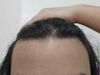
A 20-year-old shared progress pictures after 2 years of using oral finasteride and oral minoxidil for hair loss. Responses included admiration and requests for more details and updates.
Celebrities often maintain perfect hairlines through expensive transplants and common drugs like finasteride and dutasteride. Despite potential side effects, the importance of their appearance makes these treatments worthwhile.
A user has been on dutasteride for nearly 2 years with no improvement in hair loss, expressing frustration. Other users suggest checking for other health conditions, getting bloodwork, and considering stopping TRT or trying finasteride.
A user is considering mixing Stemoxydine, RU-58841, Alfatradiol, and Tretinoin into a single topical solution for hair loss. They are concerned about potential interactions that could reduce the effectiveness of these ingredients.
The user has accepted their hair loss and uses finasteride and minoxidil, with past use of RU58841 and dutasteride. They seek advice on supplements to slow down graying hair.
The conversation is about the effectiveness of Redensyl for hair loss and whether to continue using Minoxidil alone, despite planning for a hair transplant eventually. The user also mentions using dermarolling, PRP therapy, and Nutrafol.
The conversation discusses hair regrowth using microneedling, Minoxidil, and Finasteride over a three-month period. Specific treatments mentioned are microneedling, Minoxidil (Min), and Finasteride (Fin).
The conversation is about the accidental taste of Nizoral shampoo, which contains ketoconazole, during hair washing. Specific hair loss treatments mentioned are Minoxidil, Finasteride, and RU58841.
A user started treating hair loss at 55 using 0.5 mg finasteride, 5% minoxidil every second day, and microneedling. They saw noticeable improvement, especially in the front and a previously smooth bald spot.
Bryan Johnson uses a custom hair loss treatment that includes topical finasteride, minoxidil, azelaic acid, diclofenac, tea tree oil, rosemary oil, ginkgo biloba, biotin, and melatonin, which have shown varying degrees of effectiveness with minimal side effects. He also undergoes PRP and laser therapy, and has tried dutasteride mesotherapy.
The conversation discusses concerns about using Ashwagandha with Dutasteride for hair loss, as Ashwagandha may increase testosterone and potentially affect DHT levels. Users generally agree that the increase in DHT is minimal and unlikely to impact the effectiveness of Dutasteride significantly.
A 21-year-old shares progress 1.5 months after starting finasteride (0.5 mg every other day) with no side effects, using minoxidil for beard growth, rosemary oil, and weekly microneedling. They report healthier hair texture and positive feedback from family.
Creatine might increase hair loss due to increased DHT sensitivity, but evidence is mostly anecdotal. The user is using oral minoxidil for hair loss and is cautious about starting creatine.
The conversation discusses the idea of creating finasteride gummies for hair loss treatment, with some users expressing skepticism about their effectiveness compared to pills. Concerns include the potential for reduced drug delivery in gummy form and the risk of children mistaking them for candy.
A man struggled with hair loss from age 18, tried various methods without success, and finally sought medical help at 23. He was prescribed oral finasteride, topical minoxidil, and Nizoral shampoo, which after two years of consistent use, significantly improved his hair condition.
The post discusses the user's experience with hair loss treatment using finasteride, clobetasol propionate, and ketoconazole shampoo. The conversation warns about the potential side effects of clobetasol, a powerful topical steroid, and emphasizes its short-term usage.
The user is concerned about the legitimacy of online-bought Dutasteride due to its sugary taste and increased urination. Others suggest it looks legitimate but recommend consulting a doctor and possibly testing DHT levels.
The conclusion of this conversation is that the user experienced hair shedding while taking finasteride for 2 years, but after switching to dutasteride, using minoxidil, ketoconazole shampoo, and dermarolling, their hair has become thicker and hair loss has completely stopped. They also mentioned having no side effects from dutasteride.
miR-205, a tiny RNA, can stimulate hair growth by softening aging hair follicle stem cells in mice. Future tests aim to see if this can work in humans.
User shares progress after 2 months using finasteride, nizoral shampoo, and microneedling for hair loss. Comments discuss early treatment, results, and differing opinions on starting treatments.
The conversation discusses a claim that peppermint oil is more effective than minoxidil for hair loss, with one user mentioning using a mix of peppermint and rosemary oils as a treatment. Some users are skeptical, while others show interest in the potential of peppermint oil.
Female with aga tried minoxidil 5% and spironolactone, no success yet. Gladyator96 suggests waiting 6 months, adding tretinoin or dermarolling with minoxidil.
This user has had positive results from taking a 1 mg dose of finasteride and increasing their daily dosage of minoxidil from 2.5 to 5 mg over the course of 9 months.
The efficacy of taking dutasteride, a medication used to treat hair loss, every other day instead of daily. It was suggested that taking 0.5mg daily for 3 months and then switching to 3 times per week would be effective. Finasteride was also discussed as an alternative treatment option.
The conversation discusses hair loss treatment progress over three months using Minoxidil, Finasteride, weekly derma rolling, a bamboo brush, and vitamins Biotin, D, and Saw Palmetto. The user reports noticing hair regrowth at the temples.
User seeks advice for mom's hair loss, considering treatments like spiro, iron/biotin supplements, 2% minoxidil, and Nioxin. Mom has Parkinson's and low estrogen due to hysterectomy, which may contribute to thinning.
Hair loss discussion mentions fibers like toppik becoming difficult to use and questions if there's a better alternative, such as a spray or dermmatch.
This conversation is about a user's progress with using oral minoxidil 5mg to treat their hair loss, in combination with finasteride. The replies discuss the effectiveness of this treatment and provide additional information on potential methods for obtaining it.