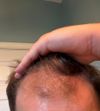
Treating alopecia androgenetica with limited options, such as spironolacton, dutasteride, finasteride, minoxidil 5%, Rogaine foam for men, a shampoo with ketoconazol, iron supplement and dermarolling.
The user shares their positive experience with a hair loss treatment regimen including finasteride, Lipogaine (Minoxidil), Nizoral Shampoo, dermarolling, and a healthier lifestyle. They encourage others to start or continue their treatment without obsessing over potential side effects.
Shampoos are unlikely to cause permanent hair loss; hair loss is more likely due to male pattern baldness (MPB). The user is advised that losing hair in the shower is normal, and to avoid shampoos with sodium sulfate.
User had a 5000-hair FUT procedure in South Korea in 2014 and is satisfied with results. Uses Minoxidil, dermarolling, and Toppik hair fibers for crown area, and considering Finasteride.
A 43-year-old man started treatment for hair loss with finasteride, minoxidil, Qilib rebalance, and Trigain Caffeine shampoo, and is taking vitamin D supplements. He hopes to share positive results after a few months.
Castor oil's effectiveness for male pattern baldness, receding hairline, and thinning crown is questioned, including its application method and potential side effects. The user also mentions experiencing hair shedding with coconut oil.
A user reported that using 0.5 mg finasteride daily, biotin, Nizoral shampoo, and occasional castor oil scalp massages stopped their hair loss after six months. Another user expressed hope for similar results with castor oil.
The user claims NoFap (abstaining from pornography, masturbation, and orgasm) helped stop their hair loss. Others argue that hair loss is primarily due to genetics and DHT, which can be managed with finasteride.
A 21-year-old male is experiencing hair shedding, possibly due to stress from a breakup, and is using minoxidil and drinking green tea to address it. Others suggest stress as a cause and recommend consulting a dermatologist if it persists.
The user is considering switching from oral to topical dutasteride and minoxidil due to concerns about mental health effects from lower DHT levels. They are seeking advice on the effectiveness and side effects of this change, including potential hair shedding and density changes.
The user has been using finasteride for over three years, which initially stopped balding and caused regrowth, but recently noticed hairline recession. They started using topical minoxidil two months ago and are considering switching to oral minoxidil and possibly dutasteride.
The user is seeking advice on the correct dosage and frequency for applying 5% Rogaine minoxidil foam for hair regrowth. They are also using finasteride and want to avoid side effects.
Switching from finasteride and topical minoxidil to oral dutasteride and oral minoxidil can cause initial hair shedding, but many users report improvement after a few months. Opinions vary on whether to taper off or switch directly, with some suggesting gradual changes to monitor side effects.
The user experienced significant hair regrowth in 4-5 months using finasteride (1 mg daily) and topical minoxidil twice a day, with initial mood side effects that normalized. The progress pictures show improved hairline, and the user noted the hair might have been slightly wet in the photos.
Hair shedding decreased significantly after using finasteride and minoxidil, with users reporting fewer hairs falling out when running fingers through their hair. Some users experienced initial shedding with treatments like dutasteride, but shedding eventually stopped or reduced significantly.
Inconsistent minoxidil use led to hair loss, prompting a plan to resume consistent application with derma stamping, red light therapy, and DHT blockers like clascoterone or RU58841. The user avoids finasteride and dutasteride due to past side effects.
The user shared their hair loss journey, trying various methods like a hair system and scalp micropigmentation, and recently started using finasteride and minoxidil with supplements like biotin, zinc, and ketoconazole shampoo. Another user mentioned starting dutasteride and minoxidil with biotin and zinc.
A 30-year-old male, 19 days post-hair transplant, is experiencing normal shedding and is concerned about hair loss. He is taking Dutasteride and Minoxidil tablets daily and is advised to trust the process as shedding is a typical phase.
Poor gut health may contribute to hair loss and scalp inflammation, with treatments like finasteride, minoxidil, and Nizoral being used. Improving gut health and addressing inflammation might help alleviate symptoms.
Ketoconazole shampoo is mainly used for scalp health and dandruff, not effective for hair regrowth. Some users find it drying, while others notice improved hair appearance and reduced dandruff.
A 49-year-old is documenting their hair regrowth journey using tretinoin cream, minoxidil foam, and finasteride. They report thicker hair and improved confidence, though progress feels slow and mentally challenging.
A user shared their positive experience 9.5 months after a hair transplant at Diamond Hair Clinic in Istanbul, Turkey, mentioning the use of dutasteride, vitamin tablets, and minoxidil shampoo. They expressed satisfaction with the procedure and would choose to do it again.
The user is experiencing hair loss despite using minoxidil and dutasteride consistently since October, with no significant improvement. Suggestions include trying microneedling, switching dutasteride brands, or adding finasteride.
The conversation humorously discusses hair loss, focusing on the envy of an older man, Massimo Cacciari, who has a full head of hair. Treatments mentioned include finasteride, minoxidil, RU58841, and hair transplants, with some users expressing dissatisfaction with baldness and considering various solutions.
The user is using minoxidil and topical finasteride for hair loss and is seeking advice on whether to use a derma pen or derma stamp for microneedling, including the appropriate length and frequency. They previously stopped oral finasteride due to side effects.
The user is taking dutasteride and minoxidil for hair loss but is concerned about continued hair shedding and lack of visible results. Others advise that shedding is normal, suggest better photo documentation for comparison, and recommend patience as results may take longer to appear.
The user has been using finasteride for 13 months and minoxidil for 2.5 years but continues to experience significant hair loss. Suggestions include switching to dutasteride and increasing the oral minoxidil dose to 5mg, while also considering lifestyle changes like diet and stress management.
An 18-year-old male with a family history of baldness started using 5% minoxidil and 0.01% finasteride spray for hair loss. Suggestions included getting a blood test, considering oral dutasteride, and trying oral minoxidil.
The user switched from 5% to 2% minoxidil due to a purchasing mistake and is concerned about potential hair loss or shedding. Suggestions include using 2% minoxidil more frequently or in larger amounts to compensate.
Hair loss significantly impacts self-perception and attractiveness, with treatments like finasteride, minoxidil, and hair transplants suggested. The conversation highlights the emotional struggle and societal perceptions tied to hair loss.