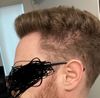
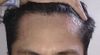
Hair loss treatments like finasteride, dutasteride, minoxidil, and RU58841. Users discuss "DHT itch" at receding hairlines and suggest using dutasteride or ketoconazole shampoo for relief.
The user has been using 1mg finasteride, 5% minoxidil, Nizoral, and a derma stamp weekly for two months to treat hair loss. They are experiencing good results, with some skin flaking from microneedling.
The user experienced no regrowth after nine months on minoxidil and developed red bumps after starting finasteride. They also use Nizoral 2%, which helps slightly, but minoxidil causes intense itching.
2% fucoidan alleviated AGA symptoms, promoted hair growth, and increased hair density in mice. Fucoidan is considered safe for humans as a supplement and topical skincare product, with potential therapeutic effects against AGA.
The conversation discusses positive initial trial results for GT20029, a topical compound for hair loss that degrades androgen receptors, potentially requiring only weekly application. Participants express hope for this treatment to be more effective and convenient than current options like Minoxidil, Finasteride, and RU58841.
The user switched from oral to topical finasteride with minoxidil after a hair transplant and is experiencing increased hair growth in unexpected areas like eyebrows and sideburns. They are seeking feedback from others with similar experiences.
The conversation is about incorporating tretinoin into a hair loss regimen after using minoxidil and finasteride for years, with discussions on the effectiveness of minoxidil and the potential benefits of adding tretinoin. Users also discuss the effectiveness of oral minoxidil and other topical treatments like diclofenac and fluocinolone.
Experimenting with trestolone as a treatment for hair loss in an attempt to avoid DHT-related treatments such as finasteride and dutasteride, and discussing the potential effects of its receptor selectivity on the androgen receptors in the scalp.
Minoxidil can cause scalp itchiness, often due to propylene glycol, and users suggest alternatives like foam formulations without PG, using moisturizing oils, or reducing application frequency. Some recommend ketoconazole or zinc pyrithione shampoos to help with inflammation and itchiness.
The conversation is about using tretinoin cream to improve minoxidil absorption for hair regrowth, specifically in the temple region. The original poster eventually stopped this treatment and switched to oral medication.
The conversation is a humorous take on someone's reaction after their first dose of finasteride for hair loss. Specific treatments mentioned include scalp massage and a protocol of manifestation twice daily.
Tretinoin and microneedling both enhance hair growth through different mechanisms, with microneedling being considered safe for long-term use. Optimal microneedling needle length varies, but 0.8 mm is suggested for hair growth, and a Dermastamp is recommended to avoid skin damage.
Folligenz liposomal minoxidil sulfate is being discussed for its effectiveness and cost, with users comparing it to regular minoxidil and tretinoin. One user found no difference with the 10% version and noted that a lower tretinoin percentage reduced side effects like skin peeling.
Mixing charcoal, Ketoconazole, and caffeinated shampoo is questioned for potential interaction, specifically if charcoal inactivates other ingredients. Charcoal is used for seborrheic dermatitis, while caffeine is thought to improve scalp blood flow.
The user is experiencing hair loss with possible causes including chronic telogen effluvium, diffuse alopecia areata, and androgenic alopecia. They have tried treatments like Nizoral shampoo, minoxidil, and finasteride, and are considering a biopsy for further clarity.
The conversation discusses using foam minoxidil with tretinoin cream for hair loss, with users sharing experiences on tretinoin strengths of 0.025% and 0.05%. Some users report irritation with higher tretinoin concentrations and note that foam minoxidil may be less effective than liquid.
A user's 1 year progress using a combination of treatments, including Minoxidil BID, finasteride, microneedling, tretinoin, and ketoconazole shampoo, for hair loss. Replies included advice such as to consider switching the strength of minoxidil or getting a shorter haircut.
The conversation discusses the safety and use of ketoconazole shampoo for hair loss, with mentions of zinc pyrithione and selenium sulfide. Users debate the safety of these ingredients, particularly zinc pyrithione, and share opinions on regulatory differences between Europe and the US.
The user experienced increased hair loss and scalp itchiness despite using finasteride and plans to resume minoxidil and start microneedling. They are considering using clay, Aveda thickening tonic, and a beanie to manage the appearance of thinning hair.
OP is experiencing dandruff and is considering switching from climbazole to ketoconazole, with suggestions to use Nizoral and a routine involving ketoconazole, coconut oil, and lemon. OP is also using minoxidil and finasteride for hair loss, and there are discussions about various shampoos and treatments for dandruff.
A user is using a topical treatment called Formula 82f, which contains finasteride, minoxidil, and a steroid, along with Ketoconazole shampoo for hair loss. They are considering whether to switch to oral medication for better results.
A 28-year-old male experienced hair regrowth using a topical spray containing minoxidil, finasteride, and tretinoin, along with occasional microneedling, after stopping oral finasteride due to side effects. He is pleased with the progress after three months and plans to continue using the spray.
A user experiencing hair loss received three different diagnoses: androgenic alopecia, traction alopecia, and scarring alopecia, and tried treatments like minoxidil and finasteride without success. They are considering dutasteride but were advised to seek anti-inflammatory medication instead.
The post and conversation are about a user's 6-month progress using topical dutasteride, 8% minoxidil, tretinoin, 2% ketoconazole shampoo, microneedling, oral finasteride, pumpkin seed oil, Vitamin D3, a men's multivitamin, rosemary oil, and 5% minoxidil foam for hair loss treatment.
Finasteride helped stop hair loss progression and slightly thickened hair, but reduced beard and chest hair growth. The user also uses ketoconazole shampoo for scalp itchiness.
Adding tretinoin can enhance the effectiveness of minoxidil by increasing sulfotransferase levels, making it beneficial for hair growth. However, it may not be necessary if using oral minoxidil.
The conversation discusses treatments for scalp inflammation, suggesting options like scalp massage, changing shampoos, using aloe vera, Tgel, nizoral shampoo, topical cetirizine, and consulting a dermatologist. Finasteride was mentioned as helpful for reducing inflammation, but with side effects.
The conversation humorously critiques hair loss treatments and the subreddit r/tressless. It mentions Minoxidil and finasteride as common treatments, with users reacting to a satirical roast by ChatGPT.