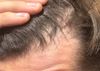
A user's experience with microneedling monotherapy and potential treatments such as finasteride, minoxidil, Stemoxydine, rosemary oil, peppermint oil, and RU58841 for reversing hair loss.
The user is exploring alternatives to hair transplants due to a weak donor area and is currently using finasteride, minoxidil, dermapen, low-level laser therapy, Nizoral shampoo, and a high-protein diet. They plan to switch to dutasteride and consider adding RU58841, while rejecting hair systems and considering a buzz cut.
A user started taking finasteride 1mg/day for hair loss but hasn't seen results yet. They also take vitamins and asked about adding minoxidil and the effectiveness of LLLT.
Finasteride may affect neurosteroids, impacting mood and sexual function, with varied user experiences. Some report side effects like depression and sexual dysfunction, while others find it effective for hair retention or prefer alternatives like Dutasteride or topical treatments.
Tretinoin and microneedling both enhance hair growth through different mechanisms, with microneedling being considered safe for long-term use. Optimal microneedling needle length varies, but 0.8 mm is suggested for hair growth, and a Dermastamp is recommended to avoid skin damage.
Minoxidil and finasteride have improved hair thickness and density, but temple areas remain stubborn. Continued use is recommended, with suggestions for topical minoxidil, microneedling, or considering a hair transplant for further improvement.
The discussion revolves around the need for future oral DHT blockers for hair loss treatment that don't have the side effects of current options like Finasteride and Dutasteride. One user suggests that the future of hair loss treatment will likely be topical anti-androgens, as they can target hair follicles without affecting the entire system.
The conversation discusses hair loss and the ineffectiveness of a treatment called pyrilutamide, with one user experiencing negative results and questioning the product's authenticity.
Clascoterone and RU58841 are compared for effectiveness in treating hair loss. The discussion involves treatments like Minoxidil, finasteride, and RU58841.
The user shared progress pictures after 3 months of using topical finasteride, minoxidil, and microneedling for hair loss. They plan a hair transplant at 6 months, and others inquired about microneedling frequency and depth.
The user experienced initial hair density improvement with finasteride, but later felt scalp pain and a plateau in results. They added alfatradiol for scalp inflammation and divi scalp serum to their routine, and are curious if others have similar experiences.
A 39-year-old has been using topical 5% minoxidil for 11 years, added microneedling, and recently started using a topical combination of minoxidil and 0.3% finasteride, noticing some hair regrowth after three months. They experienced minor side effects when switching finasteride concentrations and plan to continue the treatment, possibly adding oral finasteride or dutasteride if significant progress is seen after a year.
The conversation discusses hair loss treatments, specifically the use of finasteride, minoxidil, and microneedling over 21 months. A user inquires about whether minoxidil is used orally or topically.
The conversation is about using tretinoin to enhance the effects of minoxidil for hair loss, with suggestions to switch from finasteride to dutasteride or use RU58841 for better results. Concerns about tretinoin causing dry scalp and its potential impact on hair loss progression are also discussed.
A 24-year-old is experiencing hair loss and is considering microneedling due to side effects from finasteride and saw palmetto. They are contemplating combining microneedling with a 3-in-1 treatment to manage hair loss until age 30.
A user's 14-month journey with finasteride, microneedling, and Nizoral to treat hair loss. They experienced some side effects such as ball ache, needing to pee constantly, and less semen, but the results were generally positive.
The user's experience taking Pyrilutamide, a drug for hair loss treatment, and their use of it in combination with other treatments such as Minoxidil, Finasteride and RU58841. They have experienced positive results so far with no major side effects.
Testing the effectiveness of Verteporfin as a potential treatment for hair loss, with users discussing their thoughts on its long-term results. Treatments mentioned include Minoxidil, Finasteride, and RU58841.
Topical finasteride results in plasma levels 100 times lower than oral finasteride, potentially reducing systemic side effects. Users report similar efficacy with fewer side effects, suggesting a preference for topical application.
The conversation discusses the idea of naturally lowering testosterone levels to potentially reduce DHT and help with hair loss, though it is speculative and not tested by the original poster. Participants suggest using treatments like finasteride, dutasteride, or RU58841 instead, as they directly target DHT without reducing testosterone.
A 22-year-old man has been using topical melatonin for a year to slow hair loss and it appears to be effective. He's seeking alternatives to finasteride due to potential side effects, and is interested in understanding how melatonin works to prevent hair shedding.
The conversation discusses the storage and use of pyrilutamide for hair loss, where one user advises against keeping it in the freezer as it may crystallize the active compounds.
User takes topical finasteride/minoxidil with little results, asks if microneedling helps for temple regions and if 0.5mm is enough. Replies suggest microneedling is effective and 0.5mm works, sharing personal regimens.
The user is using finasteride (1 mg daily), topical minoxidil, and microneedling with a derma stamp for hair loss. They reported shedding stopped and new hair growth appeared after a few months, with no side effects.
RU58841 is discussed as a hair loss treatment, with concerns about its effectiveness diminishing after two years due to androgen receptor upregulation. The user is hesitant to start using it, fearing it may worsen their condition over time.
The user plans to switch from minoxidil to finasteride or dutasteride for hair loss, while managing hormones with aromatase inhibitors and SHBG blockers. They seek advice on the best options for these treatments, considering past side effects and future therapies.
The conversation discusses using higher doses of minoxidil and finasteride, considering dutasteride, and exploring other treatments like RU58841 for hair preservation. The user reports no side effects after six months and is interested in advanced treatment combinations.