The conversation discusses hair loss treatments, specifically using rosemary oil and biotin hair oil. Users suggest that medication might be more effective than these oils.
Alfatradiol is considered safe but less effective than finasteride for hair loss. One user reported subtle regrowth using alfatradiol with finasteride and minoxidil, while another found alfatradiol ineffective.
A new hair loss treatment theory beyond minoxidil and finasteride is proposed, causing mixed reactions in the community, with some members eager to explore and support it, while others call for more research and evidence.
A female experienced hair loss due to low iron and an undiagnosed thyroid issue, specifically Hashimoto's, and saw improvement after starting thyroid medication, iron supplements, and making lifestyle changes. She emphasizes the importance of addressing the root cause and shares her journey to regrowth and emotional recovery.
A person experienced hair regrowth after reducing testosterone levels and using saw palmetto tincture and Alpecin shampoo. Other users suggested treatments like Nizoral shampoo, Aldactone, and supplements for hair loss.
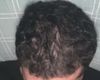
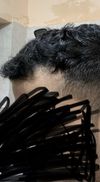
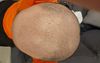
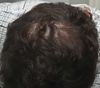
The user treated traction alopecia for over a year using Nutrafol, rosemary oil, topical and oral Minoxidil, dermarolling, biotin, collagen, and vitamin D, and shared progress photos to inspire others on their hair growth journey. They also acknowledged the community and a specific person for support and encouragement.
The post discusses the use of latanoprost foam for hair growth, with the user expressing concerns about its efficiency and safety. The user is currently using topical dutasteride, which maintains their hair but doesn't promote regrowth, and is seeking a product that doesn't affect hormone levels.
The user is experiencing hair regrowth after five months on a treatment regimen including Musely's bloom+ pill (Minoxidil and Dutasteride), Nizoral, and microneedling. They are optimistic about the results and have not experienced any side effects.
A 23-year-old male using minoxidil once daily is concerned about hair loss and hesitant to use finasteride due to potential side effects. Suggestions include adding finasteride, exercise, cold showers, spicy food, infrared exposure, sunbathing, and tretinoin.
The user has been using 1mg finasteride daily, 2.5mg minoxidil daily, topical tretinoin three times a week, and topical minoxidil daily from June 2023 to June 2025 without noticeable improvement in hair loss. Suggestions include switching to dutasteride and increasing oral minoxidil to 5mg daily, but concerns about long-term health effects are raised.
Minoxidil, finasteride, and RU58841 are discussed as treatments for hair loss. Concerns about AI-generated content accuracy and misinformation are raised.
User discusses a promising topical Procyanidin B2 treatment for hair loss. Users share mixed experiences and mention effective treatments like finasteride, minoxidil, and LLLT.
A 45-year-old male successfully slowed hair loss using Nizoral and low-level laser therapy (LLLT) but cannot use Minoxidil, finasteride, or dutasteride for medical reasons. He seeks suggestions for hair regrowth options.
Saw palmetto, derma pen, rosemary oil, scalp massages, pumpkin seed oil, green tea extract, and B complex are discussed as natural treatments for hair loss, with mixed results reported. Some users consider adding finasteride for more effective results.
A user is seeking feedback on a homemade topical finasteride formula for hair loss, consisting of 7.5 mg of finasteride, propylene glycol, ethanol, and distilled water. They aim to achieve a 0.0125% solution by applying 2 ml daily.
A person treated their diffuse alopecia with oral minoxidil (10mg daily), oral finasteride (reduced to 0.25mg daily due to side effects), castor oil, vitamins, and ashwagandha, and plans a hair transplant in Turkey. They stopped using topical minoxidil, have seen improved hair density, but are still experiencing hair loss.
The conversation is about hair loss treatments, specifically using dutasteride and oral minoxidil, and exploring additional vitamins and supplements like vitamin D, zinc, biotin, and omega-3 to support hair health. Users suggest getting a blood panel to identify deficiencies and emphasize the importance of protein and overall nutrition.
The conversation is about comparing the effectiveness of Minoxidil alone versus Minoxidil combined with other substances like Tretinoin, LCLT, Procapil, Aminexil, and Capixyl for hair growth. One user did not understand the terms used.
Hair loss treatments, including Alfatradiol, Minoxidil, Finasteride, and RU58841. It discusses the efficacy of these treatments for hair growth and regrowth.
PP405 is a new hair growth stimulant different from Minoxidil, currently in phase 2 trials. Users discuss its potential, safety concerns, and the long wait before it might be available.
A 37-year-old man is seeking advice for hair loss treatment, considering options like finasteride and topical or oral minoxidil. A user suggests consulting a doctor and monitoring blood pressure if using oral minoxidil.
The user experienced side effects from using 1% finasteride and 2% minoxidil, including dermatitis, erectile dysfunction, and heart palpitations. They switched to using 2000mg pumpkin seed oil, saw palmetto capsules, and applying pumpkin seed oil and rosemary oil twice a week, seeking feedback on results.
Triple Hair's TH-16, a product claimed to be more effective than Minoxidil 5%, has been released; it contains melatonin and resveratrol. One user reported success with topical melatonin and dermarolling.
Kintor plans to release pyrilutamide foam and a plant-based Koshine by year-end, with GT20029 progressing in their pipeline. Users are pleased about the absence of propylene glycol (PG) in the new products.
Vitamin C mixed with shampoo stopped shedding and promoted hair regrowth after 1.5 years. Both the person and their wife experienced significant hair loss reduction with this method.
A 25-year-old male is experiencing hair thinning at the hairline and vertex, considering using a dermapen or dermastamp, and seeking advice on whether to continue with natural remedies like onion juice and rosemary oil or start using minoxidil or finasteride. He is also looking for recommendations on microneedling devices.
Dr. Tsuji's stem cell hair multiplication procedure may offer a future solution for hair loss, but it is initially expected to be very expensive, with prices potentially decreasing over time. In the meantime, users discuss using treatments like finasteride, despite side effects, to manage hair loss.
The conversation is about a person's 6-week progress using 2.5 mg oral minoxidil, 0.5 mg dutasteride, weekly derma stamping at 1.5 mm, and rosemary oil for hair loss, with some initial shedding but no side effects. They are optimistic about future results.