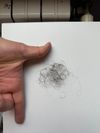
Hair loss has slowed, but uneven growth and kinking persist despite using keto/nizoral shampoo and clotrimazole. Stress and anxiety might be contributing factors.
A user shared their 4-year experience with oral finasteride and 2-year experience with oral minoxidil for hair regrowth, noting minor side effects like weaker erections and increased hair growth elsewhere. They reported significant regrowth primarily from finasteride and maintained a consistent dosage of 1mg finasteride and 2.5mg minoxidil daily.
A 32-year-old is pleased with hair growth results from using oral finasteride (1.2mg) and minoxidil (3mg) without side effects, after switching from topical minoxidil. They report no shedding and increased facial hair density, and they purchase the combo pill from the Hims brand.
A 16-year-old diagnosed with male pattern baldness (MPB) was prescribed hair vitamins, vitamin D, a non-ketoconazole shampoo, and redenysl + serum, with a suggestion for GFC or IHRF treatments. Some users recommended minoxidil, ketoconazole, and derma stamping, while others advised against certain treatments until the age of 18.
Feeding bacteria-free mice with Lactobacillus murinus worsened hair loss, but a regular diet with biotin stopped it. The conversation suggests gut bacteria and diet may influence hair loss, with some skepticism and discussion about other factors like DHT and genetics.
A user's progress with hair growth using oral minoxidil, oral dutasteride and Nizoral shampoo every once in a while. Replies indicate that the user has seen good results from this treatment, including thickening and darkening of their hair.
OP experienced significant hair regrowth after recovering from iron deficiency anemia and starting minoxidil. They suspect anemia contributed more to their hair loss than androgenetic alopecia (AGA).
The conversation discusses diffuse unpatterned alopecia (DUPA) and its possible causes, including sensitivity to DHT, not being androgenic alopecia, being diffuse alopecia areata, or hormonal issues. Treatments mentioned include topical melatonin, Clobetasol Propionate for alopecia areata, and the lack of results from using finasteride, dutasteride, and minoxidil.
A female with PCOS and androgenetic alopecia is starting treatment with oral Minoxidil, topical Minoxidil 5% with finasteride, and plans to add mesotherapy. She previously tried anti-androgenic contraceptive pills but couldn't tolerate them and is using Myo Inositol for weight management.
A user has been taking a chewable combination of finasteride, minoxidil, and vitamins daily for three months without side effects or shedding. They are considering adding derma rolling to their routine.
The user shared their 10-year hair loss journey, discussing treatments like oral minoxidil, oral finasteride, and LLLT, and ultimately deciding on a hair transplant. They also explored the possibility of having alopecia areata incognita and advised seeking multiple opinions before surgery.
A user's 8 month progress with treatments including dutasteride, minoxidil, RU58841, derma roller, ketoconazole shampoo and stemoxydine to combat hair loss. Others have shared their own experiences and regrowth results with similar treatments.
A user is experiencing hair regrowth after using oral finasteride, topical minoxidil, biotin, multivitamins, vitamin D, and dutasteride. They also use ketoconazole shampoo and Revita density shampoo to manage flakes and improve hair thickness.
KX-826 may cause increased hair loss for some users, leading to concerns about its effects. One user reported no issues but also no hair regrowth, only maintenance.
User reports 12-week progress with HIMS spray, Minoxidil, micro-needling, and biotin. Notable baby hairs on crown and temples, hoping for further improvement.
AH-001 is a new topical treatment designed to degrade androgen receptors, targeting the root cause of androgenetic alopecia without the side effects of oral treatments like finasteride. It has shown a strong safety profile and good local tolerability in early trials.
Hair loss treatment with latanoprost, minoxidil, and biotin showed progress. Latanoprost, a glaucoma drug, stimulates anagen phase and increases conversion of vellus hair to terminal hair.
A 21-year-old with a family history of early balding is advised to see a dermatologist to confirm androgenetic alopecia (AGA) and consider treatments like finasteride or dutasteride to prevent further hair loss, and minoxidil, possibly with tretinoin, to regrow hair. Caution is advised with oral minoxidil, and a cardiologist should be consulted before use.
The conversation discusses experiences with hair loss treatments containing RootBioTec and Anagain. Users share their results and compare these treatments to Minoxidil, finasteride, and RU58841.
Hair loss treatments, specifically the use of finasteride, microneedling and potentially oral minoxidil. People discussed their experiences with finasteride, its effects on sexual behaviors, as well as potential solutions such as tadalafil or using other growth factor signal peptides for hope in curing male pattern baldness.
A user discusses a company, Roots by Genetic Arts, that offers a genetic test for hair loss to create personalized treatments, and is curious about its legitimacy and the science behind it. The company tests 16 genes related to hair loss and compounds a topical treatment based on the results.
A 25-year-old experiencing hair thinning all over the body and head, despite using minoxidil and having low vitamin D levels, is advised to seek a second opinion from a dermatologist specializing in hair loss. The likely diagnosis is diffuse alopecia areata, which may require treatment with a JAK inhibitor.
The user has been using oral minoxidil for 4 years and durum wheat 3 days a week for 7 months, but is experiencing increased hair loss when washing hair. They suspect it might be due to decreased DHT levels and are seeking similar experiences from others.
The user experienced minor hair regrowth after three months using chewable minoxidil and finasteride, but had to stop dutasteride due to severe side effects. They added topical minoxidil and microneedling to their routine and are considering topical anti-androgens for further improvement.
The user experienced severe hair shedding despite using oral finasteride, minoxidil, dutasteride, and RU58841, and was diagnosed with Non-Alcoholic Fatty Liver Disease (NAFLD). They are considering switching to topical treatments due to the ineffectiveness of their current regimen.
An 18-year-old male is experiencing significant hair shedding, particularly from the back of his head, despite normal blood test results except for slightly low vitamin D. A dermatologist prescribed minoxidil for receding temples, but the cause of the shedding remains unclear.
Amplifica is testing a compound called AMP-303 for hair loss, but it's not Scube3 or osteopontin. The timing for the results from the clinical trial is unknown.
A 28-year-old male is experiencing temple regrowth but crown thinning while using 5mg minoxidil and 0.5mg dutasteride. The shedding phase is seen as a positive sign of treatment effectiveness, with expectations of noticeable improvements around 6 to 12 months.
A user with alopecia areata is considering treatment options like injections or Olumiant but is concerned about cost and whether delaying treatment will lead to permanent hair loss. They are seeking alternative treatments that are more affordable for a college student.