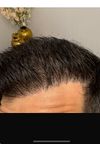
This conversation is about hair loss treatments, specifically oral minoxidil and finasteride. Users discussed the potential side effects of using these drugs, as well as their experiences with them.
A 20-year-old experiencing hair loss uses minoxidil, Nizoral shampoo, vitamin D, and biotin. They are considering finasteride or dutasteride and are advised to consult a doctor for diagnosis and possible oral treatments.
A user shared their 1.5-year progress after a FUE crown transplant, using dutasteride and oral minoxidil, which improved their hairline and stabilized hair loss. They experienced dizziness from topical minoxidil but had no side effects from finasteride, dutasteride, or oral minoxidil.
A user experienced significant hair shedding after 8 months of using oral dutasteride (0.5 mg), minoxidil (2.5 mg), and biotin (5 mg) daily. They are concerned about the effectiveness of the treatment and possible resistance to dutasteride.
The user is experiencing hair regrowth after 4.5 months of using oral minoxidil, oral dutasteride, latanoprost, ketoconazole shampoo, and dermarolling. They report shedding initially but have seen improvement without significant side effects.
The user experienced severe side effects from oral finasteride, including sexual dysfunction and mental health issues, and switched to topical finasteride, which led to significant hair shedding. They are considering other treatments like RU58841 or topical dutasteride and are advised to check testosterone levels and address potential underlying health issues.
The user experienced beard loss from finasteride and RU58841 while managing hair loss. They plan to increase RU58841 dose, use a dermaroller, and consider oral minoxidil to improve hair growth without affecting their beard.
_the_orange_box_'s experience using oral minoxidil, with discussion about finasteride and the potential side effects of both treatments. Other users shared their own experiences related to hair loss treatments.
Hair loss is causing distress and self-esteem issues, with discussions on treatments like finasteride, minoxidil, and hair transplants. Some suggest topical treatments or lifestyle changes, while others stress the importance of confidence and self-acceptance.
A 44-year-old is experiencing rapid hair thinning after weight loss, despite using finasteride for two years. They have added minoxidil, vitamins, ketoconazole shampoo, derma stamping, and are considering PRP treatment while slowly introducing dutasteride.
A 27-year-old man shared his 10-month hair regrowth progress after taking oral finasteride, noting initial hair shedding followed by noticeable thickening around 5-6 months, with significant improvement by March. He also mentioned having scalp psoriasis.
The user is using oral dutasteride, oral minoxidil, topical minoxidil, finasteride solution, tazarotene, calcipotriol, and a peptide serum for hair loss but is concerned about continued hair shedding. They are advised to stop smoking as it may worsen hair loss and to give the treatments more time to work.
Hair loss impacts mental health and should be covered by healthcare, with treatments like finasteride, dutasteride, and minoxidil being affordable and effective. Some argue hair loss is cosmetic and shouldn't be funded, while others highlight its broader health implications.
Low testosterone and estradiol may contribute to hair loss, and blocking DHT without sufficient hormone levels might hinder regrowth. The discussion highlights the importance of hormone balance, with some considering supplements and lifestyle changes to support hair health.
The user experienced significant hair improvement after switching from topical to oral treatments, using finasteride, minoxidil, and biotin. They reported no major side effects, except for slightly thicker hair on their hands.
South Korea's president is advocating for hereditary hair loss to be covered by national health insurance due to its impact on mental health and daily functioning. The discussion highlights the societal pressure in South Korea regarding appearance and the potential benefits of treating hair loss to improve mental health.
The user is experiencing hair loss without a family history and suspects stress or telogen effluvium (TE) as the cause, despite using finasteride without results. Others suggest stress, vitamin deficiencies, or other conditions could be factors, and some mention that balding can occur without a family history.
A user shared their positive experience with hair regrowth using finasteride and minoxidil chewables over 20 months, along with a specific conditioner and a new treatment, GHK-Cu. Others discussed their own hair loss experiences and treatments, including oral finasteride/minoxidil and considering hair transplants.
A 19-year-old male has been losing hair since 16-17 and feels more depressed after 6 months of using topical minoxidil and finasteride, which made his hair dry and greasy. Another user suggested switching to oral finasteride and provided tips for using topical minoxidil to reduce greasiness.
The user experienced significant hair regrowth using a daily oral combination of minoxidil (3mg) and finasteride (1.1mg) without side effects. Others shared their experiences with similar treatments, noting varying results and side effects.
Cutting sugar may not significantly impact hair loss, as DHT and androgen receptors are the main issues. Effective treatments include finasteride, dutasteride, RU58841, and minoxidil, often combined with microneedling.
Many regret delaying hair loss treatments like finasteride and minoxidil, impacting self-esteem and dating. Additional treatments include scalp micropigmentation and hair transplants, with some experiencing side effects or high costs.
The user followed a hair loss treatment routine using liquid minoxidil, oral minoxidil, and oral finasteride, with plans to stop topical minoxidil by mid-2026. They experienced significant improvement, especially in the crown area, after starting oral minoxidil.
The user is experiencing hair loss despite using 0.5 mg dutasteride and 2.5 mg oral minoxidil daily. They are considering increasing the dutasteride dosage or maintaining the current routine.
The conversation is about hair loss treatments, specifically oral finasteride (1.2mg) and oral minoxidil (3mg), and the user's concern about increased shedding and brittle hair after 7 months of use. It is suggested that shedding is common and may be influenced by stress, and switching to dutasteride might help, but patience is advised as results can take up to a year.
Transplanted hairs are thinning after switching from topical to oral minoxidil, with increased shedding and miniaturization. The user is considering reintroducing topical minoxidil and has started using ketoconazole shampoo.
A 20-year-old with aggressive hair loss is using oral minoxidil and finasteride, considering a buzz cut to manage appearance. Most suggest a buzz cut or shaving, recommending patience with medication and possibly trying RU58841 or dutasteride.
A 24-year-old shared their 2-month progress using oral finasteride (1mg) four times a week, topical minoxidil (5%) daily, and ketoconazole shampoo twice a week for hair loss. They experienced initial headaches and shedding but plan to continue the regimen due to positive results.
The user has been using oral finasteride and topical minoxidil for over three years without regrowth, despite reduced hair loss. They are hesitant to try oral minoxidil and dutasteride due to potential side effects and cost, and have not found success with tretinoin or microneedling.
Hair loss due to vitamin B12 deficiency is discussed, with some users suggesting supplements and dietary changes, while others recommend medications like finasteride or dutasteride. The conversation highlights differing opinions on the cause of hair loss, with some attributing it to genetics or male pattern baldness.