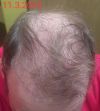
Balding seems to worsen with each generation, possibly due to stress, diet, and environmental factors. The user started treatments like Minoxidil and finasteride.
Caffeine shampoos show comparable results to Minoxidil and may enhance its effects when used together. Caffeine can be detected in the scalp up to 24 hours after a 2-minute application, making it an affordable treatment option.
A 29-year-old male has been using 1.25mg oral finasteride for 16 months and 5mg oral minoxidil for 6 months to treat hair loss. The replies indicate positive feedback on the treatment's results.
A user with seborrheic dermatitis is experiencing bald spots and hair thinning despite changing their diet and taking oral minoxidil. Another user suggests using ketoconazole shampoo properly, using a scalp massager, applying rosemary/peppermint oil, keeping hair short, and taking fish oil to improve scalp health.
The post and conversation are about a user's 10-month update on natural hair loss treatment, with mixed feedback on its effectiveness. Some suggest using finasteride and minoxidil for better results.
A user has been on finasteride for 6 months and feels their hair quality has worsened, experiencing more hair loss and scalp irritation. They are considering seeing a dermatologist, while others suggest the issue might be unrelated to finasteride, possibly due to deficiencies or other conditions.
The post and conversation are about the use of oral Minoxidil (Min), Finasteride (Fin), and RU58841 for hair loss treatment, with mixed opinions on their safety and effectiveness.
User experienced scalp itching and hair loss, but found relief with oral minoxidil. Others suggest "DHT itch" as a possible cause and recommend finasteride and ketoconazole to address it.
User noticed scalp showing at 26, started finasteride at 28, and saw hair improvement by 30. Others shared similar experiences and advised trusting personal observations and trying finasteride early to prevent further hair loss.
A user's progress in treating their hair loss with finasteride, minoxidil and oral minoxidil, as well as microneedling. Replies to the post have encouraged the user that they are seeing regrowth from the treatments.
Finasteride can cause sexual side effects in less than 2% of men, but these often disappear over time, even if the treatment continues. Some users report persistent side effects, while others experience no issues or only temporary ones.
The user has been using finasteride and oral minoxidil for hair loss but hasn't seen improvement and is quitting nicotine and caffeine to see if it helps. Some believe quitting nicotine improved their hair health due to better blood flow, while others are skeptical about the impact of blood flow on hair loss.
A person experienced hair regrowth after reducing testosterone levels and using saw palmetto tincture and Alpecin shampoo. Other users suggested treatments like Nizoral shampoo, Aldactone, and supplements for hair loss.
The user has been using finasteride and minoxidil for 8 years and recently started dutasteride, but still experiences thin, see-through hair. Suggestions include adding probiotics, changing hairstyle, checking hormones, supplementing vitamin D3, trying laser therapy, and improving gut health.
The user experienced hair regrowth after 3 months of using 1mg finasteride daily, without any side effects. They avoided minoxidil due to dizziness and shared that finasteride is easily obtainable through a doctor or online services.
Microneedling is often combined with minoxidil for hair growth, but concerns about scalp damage, pain, and effectiveness deter some users. Alternatives like finasteride, dutasteride, tretinoin, and laser treatments are preferred by others.
The user experienced significant hair regrowth using 1mg Finasteride daily, 5mg Minoxidil twice daily, and microneedling since April 2025. They also supplement with zinc, biotin, vitamin D, omega-3, and creatine, and use Alpecin Caffeine Shampoo.
The user replaced finasteride with saw palmetto due to availability issues and experienced side effects, leading to adjustments in their regimen. They use saw palmetto, minoxidil, Nizoral, and a dermaroller, reporting reduced side effects and some benefits, with hair fall ranging from 5 to 20 hairs daily.
A user underwent a hair transplant with 3200 grafts and plans to update others on their progress. They previously used minoxidil and finasteride to stabilize hair loss but opted for a transplant for better results.
A woman with androgenetic alopecia uses Dutasteride and Bicalutamide but feels devastated due to increased sensitivity to DHT. She considers wigs, Minoxidil, and seeks advice on options like spironolactone, hair transplants, and therapy.
Microneedling, especially when combined with minoxidil, is generally considered effective for hair regrowth, though results vary by individual. Some users report enhanced results, while others caution about potential scarring and recommend professional guidance.
Intermittent fasting may suppress hair follicle regeneration, but opinions vary on its impact on hair loss. Some users report no negative effects or even hair improvement while using treatments like finasteride and minoxidil.
A 31-year-old man chose minoxidil over finasteride due to concerns about erectile dysfunction. He intends to seek another doctor's opinion on finasteride.
Low-dose Dutasteride, used 2-3 times a week, is as effective as daily Finasteride for hair loss with fewer side effects. Users report increased libido and better results with Dutasteride compared to Finasteride.
A 35-year-old man has been using Finasteride 1mg daily for 4.5 months with no noticeable effects on hair loss, and he is considering adding Minoxidil to his treatment. Other users suggest that significant improvements may take up to 18 months and recommend additional treatments like Minoxidil, microneedling, or switching to Dutasteride.
Dutasteride at 0.5mg may have fewer sexual side effects than expected, with many side effects attributed to psychological factors (nocebo effect). The placebo group experienced more side effects, suggesting fear and anxiety might contribute to perceived side effects.
A 45-year-old man experienced positive hair regrowth using a combination pill of 5mg minoxidil, 1.1mg finasteride, and 1mg biotin over three months. He reported minimal side effects and prefers this treatment over hair transplants.
A person had a successful hair transplant in Turkey with 3200 grafts using FUE and DHI techniques, and is satisfied with the results after 9 months. They have been using finasteride for 7 years to maintain hair health.