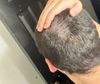
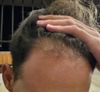
A 17-year-old is concerned about hair loss and is considering treatments like Minoxidil, finasteride, and RU58841. They feel uncertain about whether to start treatment.
The user has been on finasteride for 5-6 years but is experiencing diffuse thinning and considering adding minoxidil. They are cautious about increasing the finasteride dosage due to side effects and are exploring if minoxidil can help when finasteride's effectiveness decreases.
The user is seeking advice on improving their hairline, currently using dutasteride 0.5mg/day and oral minoxidil 5mg/day for 14 months. They want to avoid a hair transplant and are concerned about thin hair and receding temples.
The user has been experiencing aggressive hair loss despite using finasteride, minoxidil, dutasteride, ketoconazole, and derma rolling. Suggestions include continuing current treatments, considering RU58841, checking for deficiencies, and possibly trying collagen supplements or oral minoxidil.
A user shared their successful hair regrowth journey using 0.5 mg Dutasteride, 2.5 mg oral Minoxidil, and Biotin gummies, after switching from Finasteride due to insomnia. They highlighted the importance of brushing the scalp for blood flow and reported significant progress in four months without side effects.
The conversation is about a user experiencing positive results with finasteride for hair loss after three months, with no side effects and increased libido. Other users discuss their experiences, suggest adding minoxidil, and inquire about dosage and side effects.
The conversation discusses microneedling for hair loss, focusing on optimal needle depth and frequency. Users report varying practices, with some using Minoxidil after microneedling and others suggesting different depths and frequencies based on personal tolerance.
The user shared progress pictures showing hair regrowth using Minoxidil, finasteride, rosemary mint oil, biotin, and vitamins. Responses praised the results, though one user doubted the effectiveness of rosemary and biotin.
A user shared a 9-month update on hair loss treatment, reporting positive results from taking 1 mg of finasteride and 1.25 mg of minoxidil daily. The discussion includes varied experiences with these treatments, questions about side effects, and comments on the unpredictability of treatment effectiveness.
The efficacy of microneedling for hair regrowth as either a stand-alone therapy or adjunct to Minoxidil, and whether Tretinoin is a safer and more effective option. Replies include personal accounts from users who have had success with microneedling in combination with minoxidil and peptide serums, as well as considerations of technique, depth, and potential scarring.
A study that outlines the full model for androgenic alopecia (AGA) which links DHT to cellular senescence in dermal papilla cells, and suggests black chokeberry as a source of cyanidin 3-O-arabinoside polyphenol with potential anti-oxidant properties that could reverse this process. The post encourages reaching out to experts in anti-aging and longevity to research treatments involving the polyphenol.
A 23-year-old male started taking biotin and 1 mg of finasteride daily for hair loss. Others wished him luck and advised staying away from negative forum posts about finasteride.
Finasteride is humorously claimed to enable communication with sea mammals, with users sharing exaggerated side effects and alternative hair loss treatments like olive oil and onion. The conversation is satirical, with users joking about unusual experiences and results.
PP405 may reactivate dormant hair follicles but won't replace hair transplants or resurrect dead follicles. Its effectiveness, cost, and impact compared to treatments like minoxidil and finasteride are uncertain.
A 19-year-old has been using oral finasteride and minoxidil for a year without noticeable results. Suggestions include adding derma-stamping, increasing ketoconazole shampoo use, and considering vitamin D testing, while acknowledging that response times vary.
Minoxidil and finasteride are the main effective treatments for hair loss. RU58841 is discussed as a potential option but has concerns about safety and side effects.
Derma rollers may cause scarring alopecia, leading some to prefer dermastamps or dermapens for microneedling. Combining minoxidil with microneedling is effective, but proper technique and healing time are essential to prevent damage.
A 20-year-old shared progress on hair regrowth after 7.5 months of minoxidil and 2 months of finasteride, reporting no negative side effects and healthier hair. The user also improved their diet, stopped creatine, and experienced positive changes in hair and overall appearance.
The user is experiencing hair thinning despite using Dutasteride and Finasteride and is considering adding Minoxidil. Suggestions include increasing the Dutasteride dose, checking for health issues, and considering a hair transplant.
A 17-year-old experiencing hair loss is using Minoxidil but is hesitant about Finasteride due to potential side effects. Others recommend Finasteride for its effectiveness and suggest alternatives like vitamins and derma rollers.
Many celebrities and athletes likely use hair loss treatments like Minoxidil and Finasteride. Despite their effectiveness, only a small percentage of the general population uses these treatments.
A quercetin-encapsulated and polydopamine-integrated nanosystem (PDA@QLipo) shows promise for treating androgenetic alopecia by reshaping the perifollicular microenvironment, outperforming minoxidil in hair regeneration. The nanosystem promotes cell proliferation, hair follicle renewal, and recovery by scavenging reactive oxygen species and enhancing neovascularity.
Hair loss in moms can be caused by hormonal changes, stress, genetics, and nutritional deficiencies. Solutions include hair toppers, Minoxidil, PRP therapy, and a healthy diet with supplements.
A user's experience with using a combination of Dutasteride, Finasteride, Minoxidil, Retinol and Caffeine as hair loss treatment before getting a hair transplant. The conversation includes various opinions on the efficacy and availability of this mix.
Using finasteride and peptides, including GHK-Cu, improved hair thickness and regrowth. The user also used a KLOW blend and CJC/IPA for better sleep and recovery.
A 25-year-old user shared progress after two months of using 5% minoxidil nightly on their scalp and beard. Many users suggest combining minoxidil with finasteride or dutasteride to prevent hair loss due to DHT, while others express concerns about potential side effects of these DHT blockers.
A new serum claims to enhance hair regrowth by amplifying oxygen delivery, improving the effectiveness of treatments like exosomes and peptides. Users are skeptical, questioning its efficacy compared to established treatments like Minoxidil and Finasteride.
The user experienced initial hair improvement with dutasteride and minoxidil but saw worsening at seven months, likely due to shedding. The consensus is to continue treatment, as shedding is common and improvement may take up to a year.
The user is experiencing thicker hair after using oral minoxidil, dutasteride, biotin, collagen shampoo with rosemary, and ketoconazole. They are considering adding a derma roller to their regimen for potential benefits.