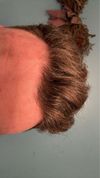
Topical spironolactone's effectiveness for men is discussed, comparing it to finasteride. Users share experiences and opinions on its use for hair loss treatment.
The user is using oral finasteride, topical minoxidil, Nizoral, dermarolling, a hair thickening conditioner, and hair vitamins for hair loss treatment. They stopped taking testosterone due to medical reasons and are now technically on estrogen, but it's unclear if this impacts their hair growth.
The conversation is about the effectiveness of topical azelaic acid in blocking DHT for hair loss treatment. Specific treatments discussed include Minoxidil, finasteride, and RU58841.
Topical finasteride as a potential alternative to oral finasteride for reducing DHT levels on the scalp with fewer side effects, and other hair loss treatments such as minoxidil.
The conversation is about using liposomal finasteride for hair loss treatment, highlighting its cost-effectiveness and ease of preparation. It suggests using lecithin and crushed finasteride pills to make the solution, which has shown to be significantly more effective than other topical formulations.
Topical tretinoin can increase the absorption of minoxidil by three times, which may enhance its effectiveness for hair loss treatment. Tretinoin causes increased skin turnover, making the skin more permeable and potentially improving minoxidil's efficacy.
A 43-year-old is experiencing hair thinning and is considering hair loss treatments. They are hesitant to use topical Minoxidil due to its toxicity to pets and oral Finasteride due to concerns about side effects, and are exploring alternatives like topical Finasteride, oral Minoxidil, or microneedling.
A 30-year-old male experienced hair loss despite using Minoxidil for two years, switching to Regaine foam, and adding other topical products and vitamins. He is seeking advice as his hair continues to fall despite these treatments.
A 30-year-old is using topical minoxidil 6% and finasteride for hair loss, showing significant progress over five months. They also use dermastamping, nizoral shampoo, and had a hair and scalp treatment.
This post and conversation are about using receipt paper as a satirical treatment for hair loss. Users humorously discuss various absurd methods, including rubbing, ingesting, and making suppositories out of receipts.
A progress report on hair growth after four months of using 0.5mg finasteride taken every other day, topical 5% minoxidil twice a day and some dermarolling for treatment of hair loss.
Combining Finasteride with topical Quercetin, Onion/Garlic juice and Peppermint Oil to reduce Wet Prostate Weight in Rats. Luke10191 asked the user LITUATUI to update them on progress after trying this combination of treatments for hair loss.
A user accidentally discovered that applying vitamin E oil to their scalp significantly reduced their hair shedding for about 1.5 weeks. They reported improved hair quality and a drastic decrease in hair loss after treatment.
The conversation is about using valproic acid, an anti-seizure medication, as a topicaltreatment to promote hair growth. The original poster is seeking personal experiences from those who have tried this method.
The conversation is about choosing a topical antiandrogen for hair loss, with options including RU58841, CB0301, Pyrolutamide, Alfatradiol, and Fluridil. Users discuss their preferences and reasons for selecting specific treatments.
The conversation discusses a 33-year-old man's experience with hair regrowth after three months using topical finasteride, 5% minoxidil, saw palmetto, and scalp massages. Specific treatments for hair loss are being evaluated for their effectiveness.
A user experiencing side effects from a 5% minoxidil and 0.1% finasteride topical solution for hair loss reduced their dosage due to numbness and pain in the lower body and is seeking advice on dosage and alternatives like redensyl. They are concerned about the side effects of both medications and are considering adjusting the dose or switching treatments.
Comparing the effectiveness and side effects of topical finasteride versus oral finasteride, with people sharing their experiences using both treatments to manage hair loss.
A 40-year-old user shared impressive hair regrowth results after three months using a topical spray containing minoxidil, finasteride, and ketoconazole, along with occasional dermarolling. The treatment, from the brand Hims, was effective despite initial skepticism, and the user credits the community for their support and information.
The user, a 27-year-old male, has been treating early hair loss with topical finasteride and minoxidil, then switched to oral finasteride and dutasteride, but has seen no improvement and plans to add oral minoxidil. Despite treatment, hair loss has progressed from Norwood 1-1.5 to Norwood 3, with noticeable thinning, especially on the left side.
The conversation is about a user sharing their one-year progress using oral finasteride for hair loss, noting some improvement. Other users suggest trying dutasteride or adding topical minoxidil for better results.
The user has been using oral finasteride daily, topical minoxidil twice a day, tretinoin once a week, and 2% ketoconazole twice a week since February 5th. They shared progress pictures showing hair improvement over two and a half months.
Switching from topical finasteride and minoxidil to oral dutasteride and oral minoxidil resulted in thinner hair and loss of vellus hair, with no new growth observed. The user is concerned about the lack of improvement despite using a stronger treatment.
A 33-year-old attempted hair regrowth after 10 years of baldness using topical finasteride, minoxidil, micro-needling, a laser cap, and later oral dutasteride. They noticed some regrowth, especially vellus hairs, and are considering a hair transplant or other treatments despite side effects.
The user reports hair regrowth after 15 weeks using oral finasteride, topical minoxidil, oral pumpkin seed oil, and ketoconazole shampoo. Images show progress before and after treatment.
A 33-year-old experienced significant hair regrowth over two years using daily oral finasteride and topical minoxidil, with no noticeable side effects. Consistent treatment led to visible improvement in hair density.
A 23-year-old male shared his 8-month progress using topical finasteride 0.1% and minoxidil 5% daily for hair loss, showing significant improvement. He mentioned experiencing occasional scalp itch but no other side effects, and noted that maintaining results requires lifelong treatment.
A 19-year-old experiencing hair loss for two years is using Minoxidil and topical finasteride. They are seeking advice on the type of balding they have and the best treatment approach.
The user shared positive results after one year of using topical minoxidil and finasteride for hair loss, reporting no side effects and fuller hair. They recommend trying topicaltreatments over oral due to fewer side effects.
The user switched from finasteride from Ro to Amazon pharmacy and noticed increased hair shedding and thinning, questioning if it's normal shedding or if they need to adjust their treatment. They have been using finasteride and topical minoxidil for 6-7 months without seeing regrowth or shedding initially.