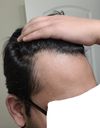
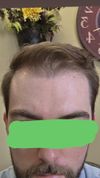
A female user's experience using Spironolactone to treat Female Pattern Hair Loss (FPHL) and Androgenic Alopecia, as well as discussing the effectiveness of the drug at different dosages.
The conversation discusses using S5 plus cream (Spironolactone, Alfatradiol, and Tempol) as an alternative to finasteride for hair loss, with concerns about its effectiveness and potential systemic absorption. The original poster already uses 5% minoxidil and is seeking alternatives due to fears of finasteride's side effects.
Female with aga tried minoxidil 5% and spironolactone, no success yet. Gladyator96 suggests waiting 6 months, adding tretinoin or dermarolling with minoxidil.
A user proposed an alternative hair loss treatment stack using topical caffeine, copper, microneedling, and red light as a natural option for those experiencing side effects from finasteride or minoxidil. Other users expressed skepticism, emphasizing that finasteride and minoxidil remain the most effective treatments, while the proposed alternatives are unlikely to provide long-term results.
A person shared their hair regrowth journey using HIMS topical treatments with finasteride, minoxidil, hormone replacement therapy (HRT), and microneedling. They also discussed their transition as a transgender woman and the positive impact of HRT on hair recovery.
Oral minoxidil is more effective than topical for hair regrowth but may cause unwanted body hair growth and cardiovascular side effects. Some users experience positive results, while others discontinue use due to side effects like chest pain.
A 44-year-old man experienced significant hair regrowth after switching from topical to 1.25mg oral minoxidil and 0.5mg daily finasteride, with no side effects. He noticed hair thickening after two months and credits the oral form's effectiveness.
A 30-year-old female with telogen effluvium and androgenetic alopecia is using spironolactone, oral minoxidil, vitamin D, iron sulfate, and a hairmax laser band. She seeks recommendations for a dermastamp or derma roller, advised to use no higher than 0.5 mm.
The conversation discusses using a combination of finasteride, spironolactone, minoxidil, retinol, azelaic acid, and caffeine for hair loss treatment. The user inquires about the limitations of these drugs and whether tretinoin would be more effective than retinol.
The user has tried topical minoxidil, oral minoxidil, finasteride, RU58841, and dermapen for over a year without seeing hair regrowth and has now switched to dutasteride, planning to continue until summer. Some responses suggest that no further hair loss could be considered progress, question the visibility of hair loss, and recommend trying vitamin D.
Hair loss treatments include finasteride and spironolactone. Low vitamin D levels may contribute to hair loss, and normalizing levels could potentially help regrowth.
The conversation discusses using minoxidil, finasteride, spironolactone, and RU58841 for hair loss treatment. Users share experiences with these treatments, noting side effects and varying effectiveness.
Hair loss treatments, ranging from topical minoxidil and finasteride to taking hormones such as estradiol or nandrolone, as well as a controversial suggestion of an orchiectomy. A hair system is also mentioned as an alternative solution.
The user is considering starting topical minoxidil to address a receding hairline and mild dandruff. They are seeking advice on potential effects and side effects of the treatment.
27F with androgenic alopecia since 17 seeks treatment. Tried spironolactone, caused low blood pressure; believes finasteride is safer and wants to try it.
The post and conversation are about hair loss treatments that have been found to be effective in studies. There are 19 different treatments mentioned, including oral minoxidil, oral dutasteride, topical finasteride, RU58841, and more. The best treatment for an individual depends on factors like availability, cost, side effects, and personal preferences.
A 27-year-old male is using a regimen of topical finasteride, minoxidil, ketoconazole, and biotin for hair loss, and has recently started oral finasteride despite previous side effects. He is considering shaving his head and is advised that a hair transplant might be possible once hair loss stabilizes.
A 46-year-old male is considering adding topical dutasteride to his hair loss regimen, which includes oral minoxidil, topical minoxidil, miconazole nitrate, pumpkin seed oil, microneedling, DHT oil blocker, lipogaine, and ketoconazole shampoo. He plans to start with a 0.025% concentration in lipogaine once a week to monitor for side effects.
A 30-year-old female shares her positive progress with hair regrowth using topical minoxidil and vitamins, after experiencing hair loss since her early 20s. She mentions using a product with a natural DHT blocker and emphasizes the importance of checking vitamin and iron levels.
Kintor Pharmaceutical's KX-826 shows promising results for hair loss treatment. Users discuss the use of anti-androgens like spironolactone and RU58841, noting concerns about concentration and safety.
A 21-year-old is experiencing severe hair loss despite using finasteride and minoxidil, and plans to try dutasteride. Others share similar struggles and suggest various treatments like RU58841, spironolactone, and hair systems, while emphasizing the emotional impact of hair loss.
A 25-year-old woman with androgenic alopecia is experiencing hair dryness and damage after using topical minoxidil and Nizoral. She is advised to reduce washing frequency, use a bond builder like K18, apply a silicone-based serum, and consider using a shower filter and different oils like argan oil for better hair health.
Hair loss treatments discussed include finasteride, minoxidil, spironolactone, and estradiol, with concerns about side effects like sexual dysfunction and feminization. Some users prefer hair transplants or shaving over medication due to potential side effects.
A 25-year-old woman with androgenic alopecia has been using minoxidil, spironolactone, and dutasteride but sees little improvement in hair thinning. She is considering switching to oral minoxidil and exploring other treatments like PRP and hair systems.
The user shared impressive hair growth results after 7 months using a regimen of dutasteride, topical minoxidil, and biotin, alongside a healthy lifestyle. The conversation humorously discusses extreme and unconventional hair loss treatments, with many users expressing amazement and curiosity about the progress.
Hair regrowth using estradiol, spironolactone, minoxidil, and finasteride, showing significant improvement over four years. HRT is not advised for cis men solely for hair loss due to feminizing effects.
A woman who is considering giving up on her hair loss journey after trying minoxidil and spironolactone, but other posters offer words of encouragement and suggest the use of wigs.
The conversation discusses hair loss treatments, including dutasteride, oral minoxidil, finasteride, and potential additions like topical finasteride, minoxidil, micro-needling, and topical anti-androgens such as RU58841. The effectiveness and worth of these treatments, including localized dutasteride mesotherapy, are considered.