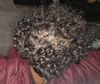
Hair loss treatment progress with Dut, Min, Keto, needling, and RU/Min/Fin/Dut topical. User noticed improvement, believes RU and needling most effective.
A thirty year old's progress with hair loss treatment, which includes finasteride, minoxidil and dermarolling in addition to taking multivitamins with biotin. The user has seen improvement after three months of using this regimen.
The user is considering using topical dutasteride to prevent hair loss progression from Norwood 1 to Norwood 2 at age 25, and is concerned about the long-term effectiveness and potential shedding from the treatment. They are currently using a shampoo with caffeine, rosemary, and saw palmetto, and have noticed hair thinning and changes since age 20.
Kintor Pyrilutamide treatment, a potential hair loss treatment that may become available to the public soon. People have been experimenting with using it in topical form, with mixed results and no reported side effects.
The conversation discusses a hair loss treatment involving a hair transplant of approximately 2500 grafts to the frontal area, daily use of finasteride, twice-daily topical minoxidil, and daily caffeine shampoo since the hair transplant procedure. One person is skeptical about the improvement in the crown area with just finasteride and minoxidil.
A new topical Dutasteride with 20 times better scalp absorption being developed and tested for release in 2023; use of existing drugs, such as Minoxidil and finasteride; and mesotherapy as an alternative hair loss treatment.
The user is experiencing hair loss and is considering using topical minoxidil and finasteride due to concerns about liver health, specifically elevated ALT levels from fatty liver. They are advised to start with topicaltreatments while continuing weight loss and dietary changes to improve liver function.
Oral DHT blockers like finasteride are preferred for their ease of use, effectiveness, and long-term safety data, while topicaltreatments like RU58841 lack extensive safety data and can be more cumbersome to apply. Oral treatments are generally considered more effective and convenient despite potential side effects.
A 19-year-old male experiencing hair loss is seeking advice on managing it without sexual side effects. He has used topical minoxidil and finasteride but experienced side effects, and is considering lifestyle changes to help slow hair loss.
The user has been using oral finasteride and topical minoxidil for years without success and is seeking alternative treatments. Suggestions include switching to oral minoxidil, adding dutasteride, trying topicaltreatments, or considering microneedling.
Switching from topical to oral minoxidil, specifically using split dosing, led to significant hair regrowth and reduced side effects for the user. The combination of oral minoxidil and finasteride proved more effective than previous topicaltreatments.
Several new hair loss treatments are in development, with Cosmo Breezula and Kintor KX826 being the furthest along, expected to be commercialized by 2027. Veradermics is the only treatment in pill form, while others like KX/GT/Breezula will be topical.
The user shared positive results after one year of using topical minoxidil and finasteride for hair loss, reporting no side effects and fuller hair. They recommend trying topicaltreatments over oral due to fewer side effects.
Using roll-on bottles for applying minoxidil and RU58841 improves application efficiency and reduces product waste. Topicaltreatments are used continuously, except on microneedling days.
A 51-year-old on TRT plans to use steroids and is concerned about hair loss, considering topicaltreatments like Hair Rescue with RU58841 and finasteride, along with Nioxin shampoo. They are cautious about using oral DHT blockers due to potential interactions with steroids like Tren and Anavar.
The user has been using a topical combination of finasteride, minoxidil, and dermastamping for three months to address hair loss. They are considering adding tretinoin and are discussing the effectiveness of topical versus oral treatments.
Many delay hair loss treatment due to lack of awareness, denial, or fear of side effects. Treatments like finasteride, minoxidil (oral and topical), and hair transplants are discussed, with mixed results and concerns about side effects.
The user experienced good hair growth using topical minoxidil 5% and finasteride for 4 months but lost progress after switching to oral minoxidil and finasteride and shaving their head. They have returned to using topicaltreatments and are seeking advice on similar experiences.
The conversation discusses the effectiveness of oral minoxidil versus topical minoxidil with tretinoin for hair regrowth, with some users suggesting oral minoxidil might be more effective for non-responders to topicaltreatments. Concerns about side effects and the role of enzymes in activating minoxidil are also mentioned.
A user shared their hair loss journey, detailing their use of Kirkland Minoxidil 5%, finasteride, dutasteride, and weekly dermarolling. They experienced initial success with minoxidil but faced setbacks with oral minoxidil and are now back on topicaltreatments.
The user has been using topical minoxidil 6% and finasteride 0.05% once daily, along with microneedling, vitamins, and nizoral shampoo. They recently increased the topicaltreatments to twice daily for faster results, experiencing only initial shedding.
The user has been using topical minoxidil and finasteride for six months and is seeing some hair regrowth. Other users suggest not to stop using the products as gains could disappear quickly, and some people respond better to topicaltreatments than pills.
Start hair loss treatment as soon as you notice thinning to prevent further loss; finasteride and minoxidil are suggested treatments, with the option to switch to topicaltreatments if side effects occur. Some regret not starting treatment earlier, and maintaining current hair is more likely than regrowth.
The user has been using topical finasteride 0.1% for almost 7 months but is experiencing worsening hair loss and is considering adding minoxidil 5% to their regimen. They are hesitant about oral finasteride and are exploring options for topicaltreatments, including minoxidil and possibly dutasteride.
A 20-year-old male has been experiencing hair loss since age 16 and has tried various treatments including topical minoxidil, topical and oral finasteride, and oral dutasteride with minoxidil, but has not seen significant improvement. He is currently using 1.5mg dutasteride and 5mg oral minoxidil daily, along with derma penning, and is seeking advice on regrowing hair to avoid using hair fibers.
The user shared progress pictures after using topical dutasteride for 4 months, experiencing heavy shedding at month 2, which returned to baseline 1.5 months ago. Previous treatments with topical and oral finasteride and minoxidil were ineffective or caused side effects, and the user is hopeful about the shedding phase indicating potential effectiveness of topical dutasteride.
The user realized they didn't shake their HappyHead Topical Fin + Min before use, leading to inconsistent application of Finasteride due to sediment at the bottle's bottom. They advise others to shake their topical hair loss treatments before use.
The user has been using topical finasteride and oral minoxidil for hair loss but has seen no results after 5.5 months and 1 year, respectively. Many commenters suggest the user's hair looks good, recommend continuing treatment for maintenance, and discuss potential side effects and alternative treatments.
Oral Dutasteride and topical Minoxidil significantly improved hair regrowth over nine months. Other users shared mixed results and side effects with treatments like oral Minoxidil and Finasteride.