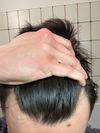
The conversation is about using tretinoin with a topical finasteride/minoxidil spray for hair loss. The user seeks information on combining tretinoin with their current treatment.
Combining finasteride with minoxidil and tretinoin is discussed, with concerns about potential overdose. It is suggested that high doses of finasteride do not provide additional benefits beyond 1 mg.
Alfatradiol is used by some for hair loss, often alongside treatments like finasteride, RU58841, and minoxidil, but its effectiveness is unclear. Some users report no significant improvement, while others note reduced sebum production but experience side effects like gallbladder pain.
A 24-year-old with mild temple recession is using 5% minoxidil without noticeable effects and has started topical finasteride but is anxious about potential side effects. They are considering a specialist visit for peace of mind despite the cost.
Kintor's phase III trial for pyri (KX-826) showed promising safety and efficacy results, with no drug-related sexual dysfunction reported. Users discussed their experiences with pyri, Minoxidil, Dutasteride, and concerns about the validity of the study results.
The conversation is about the timeline for Kintor's phase 3 trials for GT20029 and the potential release of the product in three years. It also mentions treatments like Minoxidil, finasteride, and RU58841.
The user experienced negative side effects from oral minoxidil, including cardiac issues and excessive sweating, and decided to switch to topical minoxidil while using other treatments like RU58841, Setipiprant, Azelaic acid, and latanoprost. Another user suggested splitting the oral minoxidil dose to reduce side effects.
The user has been using oral minoxidil and topical finasteride for over a year with good results but is considering adding mesotherapy with dutasteride due to concerns about side effects and is seeking advice. Another user suggests continuing with oral finasteride or dutasteride, while another supports mesotherapy for its benefits and professional oversight.
The conversation discusses using scalp antiandrogens like RU58841, pyrilutamide, or fluridil on the face to reduce sebum production, noting that clascoterone (winlevi) is an approved facial antiandrogen with underwhelming reviews.
The conversation is about using tretinoin cream to improve minoxidil absorption for hair regrowth, specifically in the temple region. The original poster eventually stopped this treatment and switched to oral medication.
A user is trying fluridil/topilutamide for hair loss and experiencing side effects like pain in the testicles and genital discomfort. They previously had adverse effects with finasteride, dutasteride, and RU58841, and are considering other treatments like topical dutasteride and spironolactone for maintenance before a hair transplant.
Combining minoxidil 5%, tazarotene 0.1% cream, and lumigan for hair loss treatment is discussed. The conversation focuses on the safety and effectiveness of using these treatments together.
A 22-year-old with high estradiol levels is considering starting finasteride for hair loss. They have an upcoming endocrinologist appointment to discuss whether they should proceed with the treatment.
Combining 0.5 mg oral finasteride with topical finasteride and minoxidil during an Enclomiphene cycle may help manage increased DHT levels. Monitoring for side effects is advised.
Minoxidil may not be effective due to low sulfotransferase activity, and the user considers adding tretinoin to the regimen. They are unsure about the timing and combination with microneedling.
The conversation discusses the approval of Kintor Pharmaceutical's AR-PROTAC (GT20029) for clinical trials in China for acne and androgenic alopecia. One user expresses optimism about new treatments being developed and seeks clarification on how the new drug works, specifically if it temporarily degrades the AR protein to reduce DHT sensitivity in hair follicles.
User uses dermaroller and minox for hair loss without success, considers adding Stemoxydine and mixing tretinoin with minox. Another user suggests a DHT inhibitor for sustainability.
Clascoterone in Winlevi, a topical AR antagonist, is being re-examined due to concerns about HPA axis suppression in adolescents, but it's unlikely to be banned for adult use in androgenetic alopecia (AGA). The European Medicines Agency recommended refusing Winlevi for acne vulgaris, but this may not affect Breezula's approval for AGA.
Clascoterone is considered overhyped and not as effective as finasteride or dutasteride, but it may be useful as a supportive treatment in combination with other therapies. Users express skepticism about its effectiveness compared to clinical trials, with some suggesting it could be beneficial for those who cannot tolerate other treatments.
The user experienced high estradiol levels after using topical finasteride at 0.1 mg/day, which normalized after discontinuation. They are questioning if this low dosage could significantly impact hormone levels.
The conversation is about a user obtaining a compounded treatment for hair loss, including 0.1% latanoprost, 0.2% melatonin, and 1% cetirizine. The user also uses 2.5 mg dutasteride, 5 mg minoxidil, and RU58841 daily, and is at Norwood 2.
ET-02 showed significant hair growth in five weeks, outperforming minoxidil, with a non-hormonal mechanism that avoids side effects of treatments like finasteride. A phase 2 trial is planned to further assess ET-02's efficacy and safety.
Oral minoxidil is considered unsafe due to severe side effects and requires close medical supervision, while oral finasteride is viewed as safe and effective. There is debate over the fear-mongering around finasteride and the downplaying of minoxidil's risks, with some users advocating for proper health screenings before use.
A user is joining a clinical trial for Clascoterone, a drug approved for acne but being tested for hair loss. They previously tried finasteride with limited success and plan to share updates on their experience with the new treatment.
The conversation is about whether the phase 2 results for pyrilutamide, a potential hair loss treatment, were presented at a dermatology convention and inquiries about the completion of phase 3 trials. Specific treatments mentioned include pyrilutamide.
The user visited a trichologist due to ineffective topical finasteride treatment for hair loss. The trichologist recommended a new regimen including a two-month course of locoidon (cortisone 0.1%), followed by a solution containing minoxidil, hydrocortisone butirrate, estrone, progesterone, tocopherol acetate, trichosol, and transcutol.
The user is currently using alfatradiol and fluridil for hair loss and is considering adding low-dose topical finasteride but is concerned about potential side effects due to past mental health issues. They are seeking others' experiences with these treatments and their effectiveness.