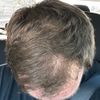
TGF-B affects hair growth, both causing stem cell division and death depending on amounts. Amplifica's treatment injects Scube3 to increase TGF-B for hair growth.
The conversation discusses GT20029, a compound by Kintor Pharma that degrades androgen receptors and is in trials, with potential as a hair loss cure. Another promising treatment mentioned is an antibody that blocks prolactin and has shown positive results in macaques.
Hair loss and potential treatments, primarily focusing on Finasteride and Minoxidil. Other solutions discussed include PRP, dermarolling, LLP, and scalp tension relief.
The conversation discusses using finasteride topically for hair loss and concerns about potential side effects like feminization and impact on muscle growth. One person shared their experience with finasteride, indicating it increased testosterone and did not prevent them from gaining muscle or strength.
The conversation humorously discusses hair loss treatments, focusing on the use of finasteride and dutasteride, with some users debating the effectiveness and cost of different dosages. Some users mention using topical minoxidil and express concerns about side effects and availability of higher doses.
The user experienced noticeable hair growth after starting dermarolling with a 1mm device, using minoxidil, and nizoral shampoo. They plan to reduce dermarolling frequency to three times a week and are considering additional treatments like finasteride or a hair transplant for increased hair density.
Treatment options for female alopecia androgenetica, discussing the availability of spironolactone online in The Netherlands and other potential treatments like finasteride, minoxidil and RU58841.
The conversation humorously suggests that doing daily handstands can regrow hair by improving blood flow to the scalp, dismissing traditional treatments like finasteride and minoxidil. It satirically claims that gravity is the real cause of hair loss, with users joking about the effects of gravity on hair growth.
A 20-year-old is considering switching from finasteride to dutasteride during a steroid cycle to better manage hair loss, then returning to finasteride afterward. They are concerned about the risks of post-finasteride syndrome from frequently changing medications.
The conversation is about an 18-year-old's progress with hair regrowth using oral Minoxidil, dermarolling, and RU58841 over three months, starting treatment after beginning to lose hair at 16. Participants are impressed with the improvement and encourage continued treatment.
A user shared their experience of hair loss progression after one year on dutasteride, expressing disappointment with no improvement and considering other treatments like RU58841. Other users offered mixed responses, some seeing no change, others suggesting the hair loss might have been worse without treatment, and discussing the role of testosterone and DHT in hair loss.
The user switched from finasteride to dutasteride in January and noticed increased crown thinning, despite using minoxidil with rosemary, biotin, and castor oil. They are concerned about hair loss and considering visiting a clinic for further advice.
A user's concern with their hair thinning while using dutasteride and oral minoxidil, which was switched from finasteride and topical minoxidil after 13 months. The conversation includes advice surrounding potential results, specific treatments used, and side effects.
The conversation discusses a new model for understanding androgenetic alopecia (AGA), linking it to dietary and lifestyle factors similar to PCOS, and highlighting the role of DHT, vascular damage, and inflammation. Treatments mentioned include Minoxidil, finasteride, and RU58841.
The user has been on finasteride for 4.5 years and minoxidil for 10 years, maintaining hair but not regrowing much on the crown and temples. They are considering using a dermastamp more frequently and possibly trying RU58841, but are hesitant about dutasteride due to concerns about side effects and DHT suppression.
The user has been using oral Minoxidil, Finasteride, and dermarolling for two months to address hair loss and is considering continuing the treatment until December before possibly switching to Dutasteride. They are hesitant about getting a hair transplant and are exploring other options like SMP, while receiving encouragement and advice from others to continue the current regimen for a longer period to see more results.
The user reports using 2.5 mg oral minoxidil, 1mg finasteride, ketoconazole, and monthly dermarolling for hair loss over six months, and is asking if there's hair regrowth or stabilization. Another person suggests increasing dermarolling frequency, possibly using more dutasteride, topical minoxidil, or a retinoid cream to improve minoxidil absorption.
A user is developing a tool to track hair density, aiming to help those using treatments like minoxidil. They seek feedback on the tool's usefulness and are considering a low-cost model to cover expenses.
The user is experiencing rapid hair loss despite using dutasteride, finasteride, and minoxidil, and is concerned about high estradiol and testosterone levels. They are advised to consult an endocrinologist for potential hormonal imbalances.
A 30-year-old female with telogen effluvium and androgenetic alopecia is using spironolactone, oral minoxidil, vitamin D, iron sulfate, and a hairmax laser band. She seeks recommendations for a dermastamp or derma roller, advised to use no higher than 0.5 mm.
A 26-year-old male with high testosterone is experiencing diffuse hair thinning despite using a comprehensive treatment regimen including dutasteride, oral minoxidil, RU58841, ketoconazole shampoo, microneedling, and low-level laser therapy. Suggestions include adjusting dutasteride dosage, monitoring iron levels, and consulting a dermatologist for further evaluation.
The user has been using Minoxidil, vitamins, and a derma roller for 2.5 months with some regrowth observed. They are hesitant to add finasteride or dutasteride due to potential side effects, considering topical finasteride as a safer option.
Hair loss may be linked to the TRPS1 gene and protein, not just DHT. Amplifica's AMP-303 targets mesenchymal stem cells and shows promise in treating hair loss, unlike Pelage's PP405.
The user is experiencing diffuse thinning and inflammation despite using 2.5mg dutasteride daily, ciclopirox, and ketoconazole shampoos. They are considering treatments like hydroxychloroquine and JAK inhibitors due to suspected scarring alopecia and have faced challenges in obtaining a scalp biopsy.
A 17-year-old experiencing hair thinning uses dermarolling with rosemary oil and plans to start finasteride at 18. A reply suggests using finasteride and minoxidil due to high DHT sensitivity.
The conversation is about the struggles of dealing with diffuse thinning at a young age and the lack of significant improvement after using treatments like finasteride and minoxidil. Some suggest additional methods like derma rolling, microneedling, and hair fibers, while others share their own experiences and encourage persistence with treatment.