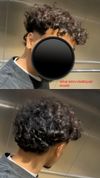
The user has been experiencing continuous hair loss despite using finasteride, minoxidil, and dermastamping. They are seeking advice on what to do next.
A user had a hair transplant 16 years ago and lost hair after stopping finasteride. They're now using a combination of treatments including oral dutasteride, topical and oral minoxidil, Pyrilutamide, and microneedling, and have seen improved density but are unsure if it's enough to grow their hair out. They also had a bad experience with scalp micropigmentation (SMP) and are considering redoing it.
The user experienced stable hairline but diffuse thinning after switching from oral finasteride to a topical solution of minoxidil and finasteride. They are concerned about the effectiveness of the topical treatment and are considering other options due to a recent decline in hair density.
A 26-year-old male with a family history of early baldness documents his hair loss journey, using finasteride, dutasteride, and Nizoral, along with lifestyle changes like weightlifting and a vertical diet. Despite some stabilization, he continues to experience thinning and remains determined to fight hair loss.
Dermatologists have differing opinions on hair loss treatments, with some using topical dutasteride, oral minoxidil, exosome therapy, PRP, and various other therapies. The user plans to use a topical solution of dutasteride, minoxidil, tretinoin, PRP, and LLLT.
The user started oral minoxidil and finasteride two months after a hair transplant and plans to switch to dutasteride, using Nizoral and Mossi shampoos. They are considering a second transplant in Tijuana and using hair fibers and mousse for styling while waiting for medication effects.
A 22-year-old is experiencing hair loss, particularly fuzzy hair in the front, and is concerned about male pattern baldness. Treatments mentioned include Propecia (finasteride), minoxidil, PRP treatments, dermarolling, peppermint oil, and apple cider vinegar.
A non-binary individual experienced hair loss after stopping hormone replacement therapy and is using oral Dutasteride, oral Minoxidil, and ketoconazole shampoo. They are hopeful for regrowth but may use wigs due to the high cost and uncertain effectiveness of additional treatments like mesotherapy and PRP.
The conversation is about dealing with hair loss, with the original poster deciding to start using topical finasteride and minoxidil after unsuccessful PRP and Regenera treatments. Others share their experiences with hair loss, treatments, and the importance of finasteride to prevent further hair loss.
A user is experiencing hair loss at NW 5 and is using finasteride, which is causing side effects like dry eyes and loss of libido. They are considering continuing with minoxidil and finasteride or opting for a hair transplant, feeling depressed about their situation.
Orient Bio is developing a PLGA formulated version of Cyclosporine A to stimulate hair growth without its immunosuppressant effects. Users discuss various treatments like Clascoterone, PP405, minoxidil, and tacrolimus, expressing hope for new developments and sharing personal experiences with these treatments.
The user is using a combination of hair loss treatments including finasteride, stemoxydine, oral minoxidil, RU58841, dermastamping, ketoconazole shampoo, collagen, Viviscal, and biotin, and has improved their diet. Despite these efforts, they are still experiencing hair shedding and scalp itchiness, and are considering increasing their minoxidil dosage or starting dutasteride.
Hair loss may be linked to thyroid issues, with some individuals noticing changes in hair texture when taking substances affecting the thyroid. Treatments mentioned include a topical mix of finasteride, minoxidil, and tretinoin, along with microneedling.
A user's hairline recovery after severe hair loss, which was treated with Dutasteride and Minoxidil; other users offered their opinions on the severity of the hair loss.
A user shared their 75-day progress using oral minoxidil, finasteride, ketoconazole shampoo, and dermastamping for retrograde alopecia, reporting significant improvement and increased body hair without side effects. They also discussed quitting smoking and the potential correlation between early beard growth and male pattern baldness.
Effective treatments for male pattern baldness include finasteride, dutasteride, and oral minoxidil. Non-effective approaches include oils, shampoos, serums, laser therapies, massages, vitamins, and microneedling.
The user experienced hair regrowth with finasteride and minoxidil but faced shedding after stopping the treatment. They resumed the treatment and used Toppik hair fibers to mask hair thinning during the shedding phase.
The conversation discusses using tretinoin for hair loss and whether applying SPF on the scalp is necessary if hair covers the treated areas. The user is considering this treatment despite having no completely bald patches.
Hair loss and potential treatments, primarily focusing on Finasteride and Minoxidil. Other solutions discussed include PRP, dermarolling, LLP, and scalp tension relief.
A user is experiencing severe hair loss and dandruff, trying various treatments including Minoxidil, Nizoral 2% Ketoconazole, Neutrogena T/Gel, coconut oil, baby shampoo, apple cider vinegar, aloe vera gel, and tea tree oil. They believe the issue is not genetic and are seeking advice and solutions.
The user is experiencing diffuse androgenic alopecia and is trying various treatments, including 5mg finasteride, loniten, and Formula 82D, which contains dutasteride, a steroid, and tretinoin. They report potential regrowth with Formula 82D, despite previous treatments being ineffective.
The conversation discusses hair loss and hairstyles for balding men, with some users suggesting treatments like Minoxidil, finasteride, RU58841, and dutasteride. The focus is on embracing unique hairstyles instead of shaving, with mixed opinions on their appeal.
Many people become hyper-aware of hair loss in themselves and others, often leading to feelings of jealousy or self-consciousness. Treatments like finasteride, minoxidil, and dutasteride are commonly discussed as solutions to combat hair loss.
The user is frustrated with hair loss despite using minoxidil, topical finasteride, and topical dutasteride, and is considering other options like oral treatments, SMP, or hair systems. They feel demoralized and are struggling with self-esteem and social interactions due to their thinning hair.
Low testosterone and estradiol may contribute to hair loss, and blocking DHT without sufficient hormone levels might hinder regrowth. The discussion highlights the importance of hormone balance, with some considering supplements and lifestyle changes to support hair health.
Excess Vitamin A and topical retinoids can cause diffuse hair shedding. The user suspects their chronic telogen effluvium may be linked to using adapalene, a topical retinoid.
The user experienced significant hair regrowth using a daily oral combination of minoxidil (3mg) and finasteride (1.1mg) without side effects. Others shared their experiences with similar treatments, noting varying results and side effects.
The user is experiencing hair thinning and brittleness, possibly due to Telogen Effluvium, which affects body hair and may be linked to stress or nutrition. They are considering using finasteride for treatment but are unsure if it will address their symptoms.
The conversation discusses hair loss treatments, specifically the use of dutasteride, finasteride, and other methods like PRP, laser, and mesotherapy. Despite these treatments, the user is experiencing hair loss, and others suggest consulting a dermatologist, considering alternative treatments, and addressing potential scalp inflammation.