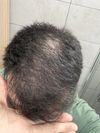
A 20-year-old female is experiencing hairline loss and seeks effective natural remedies or affordable drugstore treatments. She has tried flax seeds and aloe vera without success.
A person is struggling with hair loss and mental health issues, using treatments like dutasteride and minoxidil, and planning a hair transplant. They recently discovered their biological father is bald, causing additional stress, but are encouraged by others to focus on their treatment success and seek professional help for their mental health.
The conversation humorously discusses diverting DHT from head to body hair and explores the idea of transplanting body hair to the scalp. It also mentions the potential for treatments to prevent DHT from affecting hair follicles.
A satirical post jokes about a user meeting a doctor at the zoo who praises finasteride (Fin) for hair loss treatment, claiming it has a low side-effect profile and is effective. Replies include humorous disbelief, comparisons to other risks, and some personal accounts of side effects from Fin.
A 21 year-old feeling depressed about hair loss and how to cope with it, discussing various treatments such as finasteride, minoxidil, dutasteride, hair pieces, and scalp micropigmentation. There is also discussion of accepting oneself and redefining self-worth in order to not base one's entire identity on their hair.
Pyrilutamide, a nonsteroidal antiandrogen drug under development for the potential treatment of androgenic alopecia. The conversation discusses its binding affinity to the androgen receptor and the timeline for possible availability after trials are completed in the United States and China.
ABS-201 shows promise for male hair regrowth by blocking the prolactin receptor, with higher expected efficacy than current treatments. The discussion also covers dosing differences between macaques and humans for hmi115, highlighting a significant dosage disparity.
A 25-year-old user shared their positive experience with hair regrowth after 3 months on 1.2mg finasteride, 3mg minoxidil, and 2.5mg biotin, with no side effects. Other users discussed their experiences with similar treatments, including Hims chewables, and shared optimism about the results.
The user has been treating hair loss with finasteride, dutasteride, oral minoxidil, and pyrilutamide for several years without success and is experiencing an inflamed scalp, possibly due to seborrheic dermatitis. They are seeking advice on additional treatments after these methods failed to improve their condition.
Microneedling frequency and depth, with suggested protocols involving 0.3mm every day before applying topical treatments like Minoxidil or Finasteride, and 0.5-1.5mm once or twice a month for wounding.
A user stopped using 1mg finasteride and 5% minoxidil due to cost and fear of side effects but experienced increased hair loss after discontinuation. They restarted the treatments, hoping to regain lost hair, and were advised that while finasteride is better for maintenance and minoxidil for regrowth, results vary and green tea is unlikely to affect hair loss.
The conversation discusses using a microneedling device on the face after using it on the scalp, with suggestions to use a depth of 0.2mm for facial treatments. Caution and proper sterilization are advised due to the sensitivity of facial skin.
Increasing IGF-1 may help hair growth, but it could also increase hair loss in people with high testosterone. Treatments discussed include l-arginine, glutamine, vanadium, Deer Antler Velvet, ATP, Cocarboxylase, l-carnitine, and Mk677.
A 35-year-old shared a 2-month update on their hair transplant of 3153 grafts, noting redness, itching, and some pimples, while using finasteride for over 12 years to maintain hair. Users discussed the effectiveness and timing of starting finasteride, with some suggesting consulting a doctor for young individuals considering the treatment.
A person is seeking advice on saving their thinning crown and hairline before their wedding, currently using a topical solution with 0.1% finasteride and 7% minoxidil. They are open to trying oral treatments and are considering using Hims for convenience, with no cost concerns.
Finasteride typically helps maintain the existing hairline and taking 0.5mg MWF is considered effective. Hair transplants remain an option if further treatment is needed.
The user is using a regimen of topical finasteride 0.3% and minoxidil 6% daily, along with zinc, saw palmetto, and hair supplements, but is unsure about the results and considering adding oral finasteride. Other users share mixed experiences with similar treatments, suggesting patience or switching to oral forms.
The conversation discusses disappointment over only receiving a financial report from Cassiopea instead of trial results for Breezula/CB-03-01, a hair loss treatment. However, there is optimism as the company is advancing Breezula into Phase III trials for men, starting trials for women, and submitting an NDA for their acne product, Winlevi.
The conversation discusses the safety of using 2.5mg oral minoxidil and 1mg topical minoxidil twice daily, along with finasteride, for hair loss treatment. Concerns are raised about potential blood pressure changes from oral minoxidil, suggesting a personalized risk assessment with a doctor.
A 30-year-old male has been experiencing hair loss despite using Dutasteride 0.5mg and PRP for 15 months, with no success. He is considering a hair transplant but is advised to stabilize hair loss first and explore other treatments like topical Minoxidil or combined therapies.
Ketoconazole shampoo may help with scalp health and inflammation but is not a substitute for DHT blockers like finasteride. It is generally considered a minor addition to hair loss treatment, with varying opinions on its effectiveness.
The user is seeking advice on applying conditioner and essential oils without touching the scalp due to thinning hair, while using treatments like topical finasteride, minoxidil, and pyril. They are experimenting with hair care routines and have noticed some improvements with their current treatment regimen.
The user experienced hair loss after initially gaining hair with minoxidil and is now using dutasteride and oral minoxidil alongside topical minoxidil, hoping to regain lost hair. There is uncertainty about the effectiveness of these treatments, with some users suggesting that blocking DHT might help, while others express skepticism about regrowth.
Finasteride and Dutasteride can be obtained cheaply through Amazon One Medical with an Rx Pass subscription for $20/year. Users discuss various options and costs for hair loss treatments, including Blink Health and Mark Cuban's pharmacy.
A man in his 50s, who has been on Finasteride for 15 years, is considering adding a custom topical Minoxidil blend to his treatment due to recent hairline recession. He questions whether the custom blend is more effective than generic Minoxidil, expresses concerns about shedding and body hair growth, and seeks advice on application timing with styling products and whether to pursue other treatments like PRP or laser.
The conversation discusses the potential link between gut health and hair loss, with personal experiences of hair thinning and stomach issues shared. Some individuals found no success with common hair loss treatments like Minoxidil and Finasteride and are exploring the impact of gut health on hair growth.
The conversation discusses using 1% cetirizine, an antihistamine, as a potential treatment for androgenetic alopecia (hair loss). One user plans to try cetirizine instead of finasteride, while others are curious or skeptical about its effectiveness, discussing the role of inflammation in hair loss.