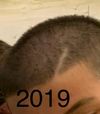
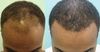
The user is using minoxidil, finasteride, dutasteride, and clobetasol, along with needling, to combat hair loss. They are considering stopping treatment if no improvement is seen.
Low-level laser therapy (LLLT) devices may help thicken existing hair but are not effective for regrowing hair on bald areas. Users suggest sticking with finasteride, minoxidil, and dermapenning, as LLLT devices like Capillus are expensive and results are mixed.
User used sublingual minoxidil for 5 months and saw progress. Also used topical dutasteride, alfatradiol, tretinoin, and reduced oral finasteride dose.
User discusses frustration with hair loss treatments and lack of progress. Emphasizes importance of measuring blood hormone levels to understand treatment effectiveness and side effects.
New hair loss treatments like Shiseido/Replicel and Histogen were discussed, with cautious optimism about their availability by 2018. Setipiprant, Replicel, and Bimatoprost were mentioned as potential treatments expected around 2016-2017.
The conversation discusses DIY cosmetic procedures like PRP, mesotherapy, and micro-needling, with some users experimenting with Minoxidil, finasteride, and RU58841 for hair loss. It highlights a community of mostly older women performing these treatments themselves.
The conversation discusses managing hair loss and seborrheic dermatitis with treatments like minoxidil, finasteride, and saw palmetto, emphasizing the importance of scalp health and DHT reduction. The user shares personal experiences and suggests a balanced approach, combining topical treatments and lifestyle changes for effective hair regrowth.
The conversation discusses hair loss treatments, including scalp massage, and the importance of blocking DHT for hair loss management. The user shares blood test results, which appear normal, and seeks advice on effective tests and treatments, expressing a preference for natural methods over medication.
A 22-year-old is struggling with hair loss despite using treatments like minoxidil, finasteride, dutasteride, castor oil, rosemary, argan oil, and microneedling. Stress and poor sleep are worsening the condition, and they seek advice as current treatments have been ineffective.
User seeks non-finasteride hair loss treatments, suggests Eucapil, minoxidil, microneedling, keto shampoo, oral castor oil, and alfatradiol. Reply recommends vitamin D, zinc, pumpkin seed oil, saw palmetto, and high black tea intake, but emphasizes minoxidil and microneedling as most effective.
Using retinol with minoxidil may not be as effective as tretinoin, but retinaldehyde or adapalene could be alternatives. A micro-roller with minoxidil is suggested for better results.
The conversation discusses a hair loss protocol and compares it to using finasteride and minoxidil. It suggests that while the protocol includes some good advice, it may not surpass the effectiveness of established treatments like finasteride and minoxidil.
Researching the cause of hair loss and treating it by preventing DHT in the scalp with medication such as finasteride or dutasteride, estrogen, minoxidil, dermarolling, and possible topical antiandrogens.
The conversation is about hair loss treatments. The user considers natural remedies but is advised that finasteride, dutasteride, and minoxidil are more effective.
The conversation is about different treatments for hair loss, including minoxidil, finasteride, RU58841, and dermarolling. The conclusion is that RU58841 and dermarolling have shown efficacy in treating hair loss through different pathways.
The dermatologist prescribed topical finasteride and minoxidil, but only finasteride is available in pill form. The user plans a telehealth visit to discuss options.
A trial of verteporfin for hair regeneration, with pictures comparing the original and current status, as well as links to other resources discussing the efficacy of this treatment in combination with Minoxidil, Finasteride, and RU58841.
A user had a bad reaction to Finasteride, experiencing anxiety and fatigue, and is seeking alternative hair loss treatments since they can't use Finasteride or Minoxidil. Suggestions include trying low doses of Finasteride, making a topical version, or using other treatments like Alfatradiol, but the user is hesitant to use Finasteride again and is considering a hair transplant.
The conversation discusses verteporfin as a potential treatment for hair regeneration, which could lead to unlimited hair transplants by healing the donor area. Some users are considering using verteporfin now, while others are hopeful it will be available for future hair transplants.
The conversation discusses hair loss treatments using oral minoxidil, oral dutasteride, and mesotherapy dutasteride, showing impressive 6-month results. The user wishes these treatments were available in the U.S.
Doctors are testing verteporfin topically for healing and potential regeneration after transplants. The user is asking how it is formulated for topical use, such as if it's mixed with a carrier gel.
The conversation discusses future hair loss treatments, with mentions of dutasteride potentially gaining FDA approval and increased popularity. Skepticism remains about significant advancements due to limited funding and reliance on cosmetic companies.
The conversation discusses the difference between the commercially available Pyrilutamide and the version in clinical trials. It also mentions treatments like Minoxidil, finasteride, and RU58841 for hair loss.
Hair loss treatments like finasteride, minoxidil, and ketoconazole shampoo are discussed humorously, with skepticism about future cures. Users express frustration over the lack of a permanent solution and joke about investing in stocks or using time travel to solve baldness.
A 23-year-old experiencing diffuse hair thinning has chosen a treatment stack including topical finasteride, a blend of rosemary, peppermint, and pumpkin seed oils, procyanidine B2 spray, ketoconazole shampoo, and scalp massages. They avoid minoxidil due to family history of side effects and oral finasteride due to high estrogen levels.
A user experiencing hair loss received three different diagnoses: androgenic alopecia, traction alopecia, and scarring alopecia, and tried treatments like minoxidil and finasteride without success. They are considering dutasteride but were advised to seek anti-inflammatory medication instead.
The conversation discusses hair loss treatments, including dutasteride, oral minoxidil, finasteride, and potential additions like topical finasteride, minoxidil, micro-needling, and topical anti-androgens such as RU58841. The effectiveness and worth of these treatments, including localized dutasteride mesotherapy, are considered.
Scalp massages may show slight improvement in hair appearance, but users suggest more aggressive treatments like finasteride or minoxidil for better results. Some users believe lighting and angles affect photo comparisons, and recommend combining massages with medication.
The user is using a topical spray with finasteride and minoxidil, red light therapy, and ketoconazole shampoo for hair loss, and is considering waiting a year before getting a hair transplant. Other users suggest microneedling, using oral treatments, and investing in a laser helmet for better results.