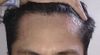
The user has seen hair regrowth after 6 months using finasteride, minoxidil, and topical finasteride, and is considering whether to continue or opt for a hair transplant. Others shared experiences with shedding and encouraged continuing the regimen for more results.
A 3 year journey of hair loss, with recession and diffuse thinning; the user has been taking finasteride for 3 years and is now switching to dutasteride and oral minoxidil, and may start using topical minoxidil soon.
The user is using dutasteride, oral minoxidil, and topical minoxidil with tretinoin for hair loss. They are considering whether to continue this treatment or opt for a hair transplant for their temples.
The user experienced noticeable hair regrowth after using finasteride for 5 months and oral minoxidil for 3 months. They are considering adding microneedling to their routine and report no significant side effects.
A user shared their successful hair regrowth journey using finasteride, minoxidil, microneedling, and castor oil, highlighting the importance of persistence despite initial shedding. They reported no side effects and encouraged consistency in treatment.
The user experienced noticeable hair thickening and new growth after two months using a topical solution of minoxidil and finasteride. Continued improvement is expected, with potential for a full head of hair after further treatment and possibly a transplant.
User shared before and after photos of hair regrowth using Dutasteride 5x a week for 19 months. They experienced significant improvement and thanked others for their support.
The user is considering switching from oral to topical minoxidil and possibly adding finasteride, while continuing with dutasteride and incorporating microneedling to improve hair loss treatment. They are concerned about potential shedding during the transition.
A 21-year-old shares their one-year progress using finasteride for hair loss, experiencing initial shedding but eventual regrowth, especially on the crown. They consider switching to dutasteride due to continued hair loss at the front temple and mid-scalp areas.
Curved hair transplantation requires specialized tools and techniques to avoid damaging hair follicles, with modified FUE being the preferred method. Proper extraction and implantation angles are crucial to prevent complications like keloids and sterile folliculitis.
Excess Vitamin A and topical retinoids can cause diffuse hair shedding. The user suspects their chronic telogen effluvium may be linked to using adapalene, a topical retinoid.
The user experienced hair regrowth and thicker hair after using finasteride daily for four years and recently added topical minoxidil. They are considering derma stamping but are cautious about switching to dutasteride due to potential side effects.
A user shared their 6-month progress after a hair transplant, continuing to use 0.5mg dutasteride and minoxidil daily, along with red light laser therapy. They recommend hair transplants for those who haven't had success with medical treatments.
A 22-year-old underwent a hair transplant in Bangkok, using 2,500 grafts, and has been using dutasteride and minoxidil to stabilize hair loss. The user chose the procedure to enjoy youthful confidence, despite some opinions that it's too early for a transplant.
Missing dutasteride for up to 50 days likely won't cause significant hair loss if used for over six months, as it provides long-lasting DHT suppression. Continuing other treatments like minoxidil and scalp care is recommended during any break.
The user has been using minoxidil, microneedling, and finasteride for hair loss without improvement and is considering tretinoin, but concerns about shedding persist. Another user suggests trying dutasteride instead of finasteride, as both tretinoin and microneedling can irritate the skin.
PP405 is moving to late-stage trials, showing potential for hair regrowth, with 31% of male patients experiencing a 20% increase in hair density. Veradermics is developing an oral minoxidil version, and there is interest in combining treatments for better results.
A user shared their experience with hair loss and a hair transplant at the Scandinavian Hair Institute, using finasteride every other day as part of their regimen. They expressed satisfaction with the transplant results and decided against using minoxidil due to its inconvenience and potential side effects.
The efficacy of degrading the androgen receptor through dermal application in DP cells, a delivery system for topical drugs that involves dissolving microneedles, and rosemary oil as an alternative anti-androgen.
User discusses trying Low Level Laser Therapy (LLLT) for hair loss and its high cost. Another user shares their experience combining micro needling, minoxidil, and LLLT, seeing positive results after 2 months.
A user shared their 1.5-year progress after a FUE crown transplant, using dutasteride and oral minoxidil, which improved their hairline and stabilized hair loss. They experienced dizziness from topical minoxidil but had no side effects from finasteride, dutasteride, or oral minoxidil.
The user shared their hair restoration journey, using dutasteride, topical minoxidil, and a 2,300 graft hair transplant, resulting in significant improvement. They are happy with the results and do not believe the hair system worsened their hair loss.
New potential hair loss treatment uses molecules from hairy moles to stimulate follicle growth. Topical solution requires less frequent application, like Botox injections a few times per year.
A 36-year-old experienced significant hair regrowth using minoxidil, finasteride, and tretinoin with minimal side effects. He plans to continue the treatment, hoping for more targeted solutions in the future.
The conversation discusses switching from finasteride to dutasteride for hair loss treatment, with mixed experiences regarding shedding and effectiveness. Some users also mention using minoxidil and RU58841 alongside these treatments.
The user successfully regrew hair using 1.2mg finasteride and 3mg minoxidil daily, without a hair transplant. They experienced significant improvement over 14 months, leading to positive changes in their appearance and confidence.
Using tretinoin or tazarotene with minoxidil may eliminate the need for microneedling or dermastamping. Microneedling can enhance minoxidil's effects but may cause long-term scalp issues.
Volunteers using finasteride and minoxidil are needed to test if intense calf raises increase hair shedding. The goal is to see if overexertion of leg muscles affects hair loss.
Celonius discusses hair loss and plans for a FUE Hair Transplant, but worries about how it will look when shaved in the future. Derhab21 suggests going for the transplant and mentions potential future treatments like Breezula and stem cell injections.