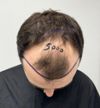
The user is 10 days post-hair transplant, pleased with the results so far, and hopes for increased density. The procedure was done at Vanity Hospital in Istanbul, with around 3400-3750 grafts used.
Hair loss affects confidence, with discussions on treatments like finasteride, minoxidil, and RU58841. Emphasis is placed on self-acceptance and building confidence beyond appearance.
User had a hair transplant in 2016 but stopped taking finasteride due to side effect concerns. Now considering another transplant and starting finasteride, minoxidil, and microneedling to improve hair situation.
A user has been taking finasteride for 7 months and is experiencing watery semen as the only side effect. They are considering taking zinc supplements to improve this condition.
A user shared their experience 7.5 months after receiving 3950 hair grafts at Sule Hair Transplant in Istanbul, Turkey, with positive feedback on the transformation. The discussion included costs, recovery time, and the use of medications like finasteride and minoxidil post-transplant.
Hair loss may be linked to blood flow issues, but DHT is considered the main cause. Treatments used include finasteride, RU58841, minoxidil, vitamin D3, microneedling, and dutasteride, but hair loss persists.
A user shared impressive progress at 4 months post-hair transplant with 5120 grafts by Dr. Ahmet Yildirim in Istanbul. The user expressed satisfaction with the results, which exceeded expectations.
A 21-year-old male suffering from male pattern baldness is using topical finasteride and minoxidil, and oral minoxidil. His bloodwork shows normal DHT levels and slightly high testosterone, leading to discussions about the role of DHT sensitivity in hair loss, the potential impact of finasteride on his DHT levels, and the suggestion to proceed with oral finasteride due to his high testosterone.
Silicone-based shampoos and conditioners may leave a layer on the scalp that could affect the absorption of topical hair loss treatments like Fluridil. The user is considering switching to silicone products to manage frizzy hair but is concerned about this potential issue.
The user is 13 months post-hair transplant and is using 1 mg finasteride and 2.5 mg oral minoxidil. They are seeking opinions on their crown's appearance, considering switching treatments, and contemplating a second transplant due to concerns about hair density and stability.
The conversation discusses an interview with Dr. Tsuji about hair follicle stem cell multiplication and the financial challenges of starting human clinical trials. It also mentions the need for funding to secure a patent for a protein that promotes hair growth.
Use minoxidil and finasteride for 1-2 years to promote regrowth and stabilize hair loss before a transplant. Long-term use of these medications is needed to maintain results and prevent further loss.
A user found out they are vitamin D deficient and was prescribed high-dose vitamin D supplements, asking if others had similar experiences and if it improved their hair. Some shared improved mood and testosterone levels after treatment, while another combined vitamin D supplements with finasteride due to family history of baldness.
Finasteride's impact on fertility is discussed, with users sharing experiences of conceiving while on the medication. Concerns about long-term safety are also mentioned.
The conversation discusses the potential of GT20029 to stop hair loss and possibly regrow hair, considering the body's regenerative abilities. No specific treatments were mentioned due to the original post being removed.
Hair loss after telogen effluvium (TE) with thinning and possible scarring, treated with 5 mg oral minoxidil. Concerns about scarring alopecia and lack of regrowth, with suggestions to consider finasteride for better results.
Concerns about the impact of hair loss treatments like finasteride on fertility and future children. The user is worried about reduced sperm count and quality due to lowered DHT levels.
Hair loss, DHT and bloodflow with Andrew Huberman; the discussion includes opinions about supplements, finasteride, minoxidil, turmeric, coffee and botox injections for hair loss.
Hair loss treatments discussed include Minoxidil, Finasteride, and RU58841. HMI-115, a monoclonal antibody drug, is in phase 1 and 2 trials for different conditions, but its availability on the gray market is unlikely due to high production costs.
The conversation discusses the role of NADPH in hair loss and the potential impact of creatine and B complex vitamins on hair shedding. The user theorizes that increasing NAD levels with B complex vitamins may reduce hair shedding, despite using finasteride and minoxidil for 9 months.
A 21-year-old is using finasteride and previously used minoxidil for hairline concerns, considering a hair transplant despite no visible balding. They are advised to continue finasteride as a preventive measure.
User "logart89" claims DUT 3 times a week is better than daily FIN for hair loss. Their routine includes DUT, topical DUT, stemoxydine and alfatradiol mix, 5% minoxidil with tretinoin, and weekly derma stamping.
A user shared progress pictures showing significant hair regrowth after using finasteride and minoxidil for six months. Other users discussed their varied experiences with these treatments and offered additional advice.
Rob Holding's hair transplant, which looks great despite the edited image of it; many respondents discussed their opinions on the hairstyle, while others suggested treatment options like Minoxidil and Finasteride.
The conversation discusses a new liposomal topical finasteride from Hasson and Wong, available in Canada and Italy, soon in the US, costing $40/month. It claims to reduce scalp DHT by 50% without affecting serum DHT, potentially benefiting those who can't tolerate oral finasteride or RU58841.
The conversation discusses whether finasteride's reduction of DHT and increase in scalp testosterone contribute to hair follicle miniaturization. Some participants argue testosterone does not cause miniaturization, while others suggest that even with reduced DHT, other androgens like testosterone may still contribute to hair loss.