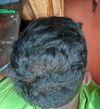
The user has been taking oral Finasteride and topical Essengen 6 Plus for hair loss and is experiencing increased depression. They plan to get bloodwork to check hormone levels and are seeking advice on which tests to include.
The conversation is about using topical cetirizine for hair loss treatment. The user mixes Aller-TEC tablets with a hair tonic but faces issues with the solution's consistency.
Diffuse thinning is unpredictable, and while some suggest treatments like finasteride or dutasteride, others emphasize acceptance as hair loss may continue. Some users share personal experiences with treatments like nizoral, scalp massage, and lifestyle changes, but results vary.
A user shared their experience with a 7600 graft hair transplant using scalp, beard, and chest hair over three procedures, expressing satisfaction with the results despite mixed feedback. They also used finasteride to thicken hair and considered scalp micropigmentation for further improvement.
The user has been treating hair loss for a year using Hims topical finasteride/minoxidil, derma stamping, and RU58841, with plans to continue and hopes for more significant results. They have noticed some small hair growth at the temples and will provide updates on their progress.
Exosomes are being considered for hair regrowth, with some users reporting initial improvement. One user moved on to using dutasteride and oral minoxidil with positive results.
PP405 is a potential hair loss treatment that may work by blocking signals that cause hair cells to stop growing, requiring daily application for effectiveness. It could serve as an alternative to minoxidil and finasteride, but it is not yet available on the market and may take several years to be released.
A hair tattoo substitute for a hair transplant, which many people felt was not a good idea. Several treatments were suggested as alternatives, such as Scalp Micro Pigmentation (SMP) and wigs.
The post is about a user's hair transplant results after one week, with 4000 grafts implanted. The conversation includes discussions about the healing process, shedding phase, and the number of grafts used.
Hair loss from seborrheic dermatitis can be temporary. Treatments discussed include Minoxidil, finasteride, and RU58841, along with collagen and biotin supplements.
The user has been using a hair loss treatment regimen including RU58841, minoxidil, and dutasteride, but still experiences hairline recession and fatigue despite high testosterone levels. They are considering adjusting their dutasteride dosage due to concerns about libido and energy levels.
Kintor's GT20029, a treatment for hair loss, has completed Phase 1 successfully, showing promise as an androgen receptor degrader that could potentially regrow hair. It is considered more effective than Pyrilutamide, with infrequent dosing and minimal systemic absorption.
A 34-year-old man had a successful hair transplant in Turkey, receiving 4,400 grafts, and is now using oils, serums, and an aftercare set. The procedure cost approximately $3,500, and he feels much younger and more confident.
The user is experiencing severe hair loss and color change despite low testosterone levels and healthy lifestyle changes. They have tried ketoconazole shampoo and consulted a dermatologist, who found no scalp issues but suggested using Toppik for coverage.
The user is experiencing hair loss after a hair transplant and is considering using fluridil (Eucapil) and possibly alfatradiol as treatments, as they couldn't tolerate finasteride or minoxidil. The manufacturer of Eucapil confirmed they won't produce higher concentrations due to lack of efficacy.
A 35-year-old had a hair transplant with 3,153 grafts at HLC Ankara, experiencing some pain and numbness but pleased with the density and results. The procedure cost $10,000, and the user has been using finasteride for over 13 years.
The conversation is about disappointment with pyrilutamide's performance as a hair loss treatment, with some users expressing interest in other treatments like Verteporfin, GT20029, and RU58841, while others suggest sticking with established treatments like finasteride or dutasteride.
The conversation discusses the use of autologous exosomes for hair loss, questioning their effectiveness and seeking real user experiences. The user is skeptical about the treatment's legitimacy and is looking for honest feedback on its results.
The user is experiencing diffuse hair loss due to high testosterone levels and has tried various treatments including finasteride, minoxidil, nanoxidil, keto/caffeine shampoo, dermarolling, and RU-58841 with limited success. They are seeking advice on safely lowering testosterone levels to manage hair loss.
The individual is experiencing hair thinning primarily at the front/middle of their scalp and is seeking to identify the type of hair loss they have. They already use treatments like oral Minoxidil, topical Finasteride, Tretinoin gel, dermarolling, and various oils and shampoos.
An 18-year-old experiencing diffuse hair thinning since 8th grade seeks advice. They are concerned about having less hair than their 52-year-old father and are looking for treatment options.
PP405 shows promise in hair loss treatment, but stem cell therapy using adipose-derived stem cells and ATP also successfully reversed androgenetic alopecia in mice. Stem cell therapy is costly, and some doubt the effectiveness of PP405 based on press releases.
Winlevi (clascoterone), a DHT blocker, is being considered for hair loss treatment, though it's primarily an acne medication. Users discuss its potential effectiveness and note it may only work for a short time.
The user has been using finasteride, minoxidil, and a derma stamp for 3 months with significant improvement. They are now adding ketoconazole to their routine.
PP405, a potential hair loss treatment, is facing delays in releasing Phase 2 results, causing frustration among users who compare it to past failed treatments. Despite skepticism, some remain hopeful about PP405's future, while others discuss alternative treatments like Clascoterone and its expected market release.
The conversation discusses GT20029 as a potential hair loss treatment that could act like a cure by targeting androgen receptors in scalp hair follicles. Specific treatments mentioned include GT20029, with a user expressing hope that it could make male pattern baldness obsolete.
The conversation discusses the anticipation and skepticism around the release of GT20029 for hair loss treatment. The original poster has been using Finasteride and Minoxidil but is hopeful for GT20029, while others express doubts about its timely release and suggest alternatives like KX826 and hair transplants.
The conversation is about using tretinoin to enhance the effects of minoxidil for hair loss, with suggestions to switch from finasteride to dutasteride or use RU58841 for better results. Concerns about tretinoin causing dry scalp and its potential impact on hair loss progression are also discussed.