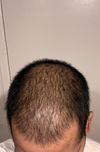
The user experienced hair thinning from chromium and alpha lipoic acid supplements, which stopped after discontinuing them. Someone mentioned this could be telogen effluvium, a temporary condition.
A 19-year-old transgender individual is experiencing worsening temple recession despite taking female hormones and 1.25mg finasteride. They are seeking advice on additional treatments to address hair loss.
The user has been taking finasteride for nearly two months and has noticed an increased urge to urinate with slight discomfort. They are questioning if this side effect is temporary.
Microneedling the scalp can cause sneezing, runny nose, and watery eyes due to nerve stimulation, histamine release, reflex actions, or sinus relief. Several users experience similar symptoms.
The post and conversation discuss the unpredictable nature of diffuse thinning, a type of hair loss. Users share personal experiences, with some mentioning treatments like oral finasteride and toppik, and the need for patience with these treatments.
Finasteride can increase estrogen levels, causing dizziness and nausea. Users discuss adjusting treatment and diet, and explore alternatives for hair loss management.
The user is experiencing severe hair loss, possibly due to telogen effluvium, after stress, poor nutrition, and hormonal changes. They are using Nizoral and supplements but are considering hormonal treatments like spironolactone despite previous side effects.
The conversation is about the accidental taste of Nizoral shampoo, which contains ketoconazole, during hair washing. Specific hair loss treatments mentioned are Minoxidil, Finasteride, and RU58841.
The user is experiencing breast tenderness and lumps after three weeks on 0.5 mg oral finasteride, a common side effect. They also report mild brain fog and fatigue but are less concerned about these symptoms.
A person experienced hair loss due to a crash diet and is now seeking advice on recovery, including dietary changes and potential treatments like biotin and pumpkin seed oil. They are concerned about nutrient deficiencies and considering a dermatologist visit for further guidance.
The user is experiencing severe hair loss due to gut malabsorption and is seeking advice on nutrient testing and supplementation. They have low Vitamin D and Ferritin levels and are asking for recommendations on additional nutrients and blood tests to consider.
The user experienced significant hair shedding after pausing their hair care regimen, which included finasteride, micro-needling, Nizoral shampoo, vitamin D, essential oils, melatonin, caffeine, exercise, and protein intake. They are concerned if the shedding is due to the break in their routine or a normal phase of finasteride use.
The user experienced significant hair loss after extended fasting, initially thought to be Telogen Effluvium, but later suspected male pattern baldness. They tried finasteride briefly but stopped due to concerns about side effects, and are unsure if the hair loss is due to Telogen Effluvium or another cause.
A user reports persistent sexual side effects three months after stopping finasteride, despite a healthy lifestyle and supplements. They express concern over the lack of libido and infrequent erections.
A 30-year-old male experienced rapid hair shedding over 6-7 months due to stress, depression, and nicotine/alcohol use, but has since stopped these habits. He seeks advice on remedies, medications, or diet changes to address hair loss.
TE (telogen effluvium) is often misunderstood and is triggered by severe stress or trauma, not minor daily inconveniences. Most hair loss cases are due to male pattern baldness (AGA), and treatments like Minoxidil and finasteride can help.
A 23-year-old male plans to temporarily stop finasteride to donate plasma for financial reasons and seeks alternative hair loss treatments like minoxidil, ketoconazole, or RU58841 during this period. He is open to suggestions to prevent further hair loss until he can resume finasteride.
A trans woman is curious about the impact of HRT on hair regrowth and scalp tension. Her current regimen includes finasteride, spironolactone, estradiol, ketoconazole, vitamin D, iron, and plans to add oral minoxidil and restart derma rolling.
RU58841 caused chest tightness, throat irritation, and headaches, leading the user to stop its use. The user plans to restart with a lower dose if symptoms fully disappear but remains cautious due to anxiety and side effects.
The user observed that stopping nicotine and caffeine improved their scalp health while using oral finasteride. However, relapsing with caffeine and nicotine caused scalp tightness and inflammation.
Tretinoin can cause non-telogen hair loss in some men by inducing catagen-like changes in hair follicles and through retinoid toxicity, especially when used with minoxidil. Some users report hair loss even when using retinoids on the face, while others experience benefits when combined with treatments like finasteride and minoxidil.
User experienced hair growth with finasteride and minoxidil, but after using tretinoin, faced aggressive thinning and hair loss. They plan to stop tretinoin for two months to see if the problem improves.
Tretinoin is not commonly linked to hair loss and can enhance the effects of Minoxidil. Users recommend starting with lower doses and gradually increasing to avoid scalp irritation.
A 33-year-old man experienced diffuse thinning and hair shedding due to sleep deprivation and low testosterone. After starting hCG treatment, he noticed hair regrowth on his temples.
Switching from finasteride to dutasteride and back to finasteride led to gynecomastia and fatigue, likely due to hormonal imbalances. Suggested treatments include Tamoxifen, Raloxifene, or low-dose Anastrozole, with a recommendation to test testosterone and estradiol levels.
The user experienced rapid diffuse hair thinning for five years despite no signs of AGA or miniaturization. They tried finasteride and oral minoxidil without success and have checked thyroid, iron, and vitamin D levels.
Trans woman experiences hair thinning despite low testosterone and treatments like finasteride and microneedling. Possible causes discussed include past eating disorder and current stack of medications and supplements.