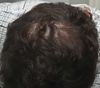
The user experienced significant hair shedding after long-term use of finasteride and dutasteride and is now considering trying RU58841 as a last resort. They have checked health factors and suspect stress and poor sleep may contribute to the shedding, but they are determined to try RU58841 to see if it helps with androgenetic alopecia.
A user shared their positive experience using 1mg of oral finasteride daily for a year, noting significant hair regrowth and no negative side effects. Other users discussed their own experiences with finasteride, shedding, and side effects, with some considering adding minoxidil to their routine.
A 23-year-old experienced hair regrowth using 1mg finasteride and 5mg oral minoxidil after initial shedding, but noticed hair loss after stopping minoxidil and starting vaping. They resumed oral minoxidil and finasteride, attributing hair loss to nicotine and stopping minoxidil, and are considering additional treatments like dutasteride.
The user saw no significant changes in hair loss after three months on 3mg Dutasteride, having previously used Finasteride and 0.5mg Dutasteride. They plan to continue the high dose for a year despite concerns about side effects and diminishing returns.
A user has been on finasteride for 8 months with worsening hair thinning and is considering dutasteride. Others suggest adding minoxidil, maintaining a healthy lifestyle, and possibly trying RU58841.
Switching from finasteride to dutasteride can improve hair regrowth with fewer side effects for some users. Concerns about shedding, lack of improvement, and the long-term safety of oral minoxidil remain.
Hair loss treatments like minoxidil, finasteride, and dutasteride can stabilize hair loss and sometimes regrow hair, but many people still opt for hair transplants, often in Turkey, due to cost and convenience. However, transplants require ongoing medication to maintain results, and not all clinics offer high-quality outcomes.
The conversation discusses the use of dutasteride and minoxidil for hair loss treatment, with concerns about potential side effects and the effectiveness of dutasteride compared to finasteride. The user is advised to monitor for side effects and consult with a doctor, while also considering the differences between the medications.
The user observed new tiny white hairs after 12 days of using minoxidil, finasteride, microneedling, and biotin, hoping they will become terminal hairs. Others advise that while some hairs may not fully grow, consistent treatment, patience, and scalp massages could enhance results.
Topical finasteride with minoxidil effectively stabilized and thickened hair but caused side effects like brain fog, reduced libido, and emotional flattening, leading to discontinuation. The user switched to a new regimen including minoxidil, KX-826, and other treatments, noting improvements in libido and vivid dreams after stopping finasteride.
The user experienced initial hair improvement with dutasteride and minoxidil but saw worsening at seven months, likely due to shedding. The consensus is to continue treatment, as shedding is common and improvement may take up to a year.
A 33-year-old experienced significant hair loss after a depressive episode and taking paroxetine, possibly due to telogen effluvium or androgenic alopecia. Suggestions included reducing alcohol, considering finasteride and minoxidil, and consulting a doctor about antidepressant side effects.
Pelage plans to conduct two Phase 3 trials for PP405, a new hair loss treatment, which may take about a year to complete. Users discuss various hair loss treatments, including pyrilutamide, minoxidil, finasteride, and clascoterone, with some expressing impatience over the lengthy trial process compared to faster drug approvals like the COVID vaccine.
People discussed using finasteride, minoxidil, and dutasteride for hair loss, with mixed results and side effects. Some had positive outcomes, while others experienced issues like libido changes and chose alternatives like hair systems.
Finasteride and minoxidil are recommended as first-line treatments for hair loss, with dutasteride and oral minoxidil as stronger options if needed. Hair transplants should only be considered after achieving stability with medication, and non-surgical options are suggested if medications are ineffective.
The user has been using finasteride for 5 months along with minoxidil, microneedling, and keto shampoo but hasn't seen significant regrowth and is considering switching to dutasteride. Others advise patience, suggesting waiting at least a year to see results, as finasteride often takes time to show effects.
Significant hair regrowth was achieved using EssenGen 6-Plus with 6% minoxidil and 0.05% finasteride, along with Nizoral shampoo, over 12 weeks. No side effects were experienced, highlighting the benefits of a low dose.
Androgenic alopecia (AGA) might have evolved to reduce prostate cancer risk by increasing UV exposure to the scalp, but this theory is debated. Treatments like minoxidil and finasteride are used for AGA, though the exact causes and evolutionary reasons for hair loss are unclear.
Clascoterone 5% solution is discussed as a potential new treatment for hair loss, offering an alternative for those who can't use finasteride or need additional options beyond minoxidil. Concerns about cost, effectiveness, and safety compared to existing treatments like RU58841 and finasteride are highlighted.
The user reported significant improvement in hair thickness and color in the crown area after 3 months on Dutasteride 2.5 mg and oral Minoxidil 5 mg, with temporary side effects that resolved. They switched from Finasteride to Dutasteride due to lack of results with the former.
A 25-year-old male is experiencing hair thinning at the hairline and vertex, considering using a dermapen or dermastamp, and seeking advice on whether to continue with natural remedies like onion juice and rosemary oil or start using minoxidil or finasteride. He is also looking for recommendations on microneedling devices.
A person is microdosing estrogen for hair loss after finasteride and dutasteride failed, risking feminizing effects. Alternatives like minoxidil, RU58841, or hair transplants are suggested.
A 25-year-old male has been using oral finasteride and minoxidil for six months without noticeable progress in hair regrowth and is considering switching to dutasteride or a hair transplant. Users suggest giving the treatment more time, adding microneedling, and possibly using topical minoxidil.
Creatine is humorously blamed for hair loss, with users sharing exaggerated and satirical experiences. Some users report no hair loss with creatine, while others mention using treatments like minoxidil and finasteride to manage hair loss.
Low-dose Dutasteride, used 2-3 times a week, is as effective as daily Finasteride for hair loss with fewer side effects. Users report increased libido and better results with Dutasteride compared to Finasteride.
The user is taking 2.5 mg dutasteride and 5% minoxidil but is not seeing hair regrowth, and is considering adding RU58841. They are experiencing fatigue and low MCV/MCH, possibly related to dutasteride, and are advised to be patient, consider microneedling, and check for iron deficiency.
A 20-year-old saw significant hair regrowth after 9 months of using DHT blockers (finasteride and dutasteride) and 6 months of hormone replacement therapy (HRT) with estradiol. The regrowth is attributed to low testosterone and high estradiol levels, without using Minoxidil.
A user shared their 16-year hair loss journey using finasteride and minoxidil, noting slow hair thinning despite a family history of severe balding. They switched from topical to oral minoxidil but stopped for personal reasons, experiencing no significant side effects from finasteride.