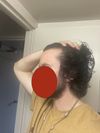
The user transitioned from finasteride to Cyproterone and started using Minoxidil, resulting in healthier hair and regrowth. They plan to wean off Minoxidil in a year, depending on regrowth.
The review discusses traditional hair loss treatments like minoxidil and finasteride, and newer options like Low-Level Laser Therapy, microneedling, and platelet-rich plasma for androgenetic alopecia. It highlights the need for more high-quality trials to assess these treatments' effectiveness and standardized protocols for emerging therapies.
Microneedling combined with latanoprost may convert vellus hairs to transitional or terminal hairs. The user suggests using oral minoxidil to increase vellus hair, then applying a high concentration of latanoprost with microneedling for conversion.
LLLT (low-level laser therapy) is as effective or better than traditional minoxidil treatment for hair growth, with fewer side effects and improved long-term compliance due to milder adverse effects. Studies show LLLT increases hair density more than minoxidil, but drawbacks include the initial cost and the need for long-term use to see results.
The conversation discusses hair loss treatments, specifically the transition from topical to oral minoxidil and finasteride, and the associated shedding phase. Users advise patience and consistency, noting that shedding is common and improvement may take several months.
The conversation humorously suggests that drug use might be more effective for hair retention than traditional treatments like minoxidil or finasteride. It attributes full heads of hair in homeless individuals to lifestyle factors like reduced stress or hormonal changes.
The conversation discusses hair loss treatments, specifically the transition from finasteride and minoxidil to dutasteride, with positive results reported by the original poster. Users share experiences with these treatments, noting varying effectiveness and side effects.
PP405 and GT20029 are new hair loss treatments with different mechanisms from traditional options like Minoxidil and Finasteride. PP405 targets hair follicle stem cells to reactivate growth, while GT20029 works as an androgen receptor deleter, both requiring ongoing use for effectiveness.
IGFBP‐rP1 shows potential for treating androgenic alopecia by influencing hair cycle transitions. Increasing IGF-1 levels may have similar effects to Minoxidil and 5-AR inhibitors in reducing hair loss.
The user switched from finasteride to dutasteride and experienced hair thinning, which is expected during the transition. They are using ketoconazole shampoo, considering dermarolling, and adding topical minoxidil to their routine.
The user is considering switching from topical finasteride to oral finasteride and is seeking advice on whether to transition directly or use both forms temporarily. They express concern about potential side effects.
The conversation discusses androgen receptor degraders for hair loss, highlighting their potential advantages over traditional AR blockers like RU58841 and pyrilutamide. Concerns about the safety and cost of these treatments are also mentioned.
Using both finasteride and dutasteride for hair loss is debated, with some seeing it as beneficial during transition, while others find it redundant and risky. Oral minoxidil raises concerns about blood pressure, with a preference for topical use and microneedling for better results.
A user reported noticeable hair regrowth using a 272 diode red light therapy hat over 11 months without Minoxidil or Finasteride. Opinions vary on its effectiveness compared to traditional treatments, with some suggesting combining therapies for better results.
The user is considering switching from oral to topical minoxidil and possibly adding finasteride, while continuing with dutasteride and incorporating microneedling to improve hair loss treatment. They are concerned about potential shedding during the transition.
The conversation humorously suggests that doing daily handstands can regrow hair by improving blood flow to the scalp, dismissing traditional treatments like finasteride and minoxidil. It satirically claims that gravity is the real cause of hair loss, with users joking about the effects of gravity on hair growth.
Omega 3 and 6 supplements are considered ineffective for hair growth by most users, with some suggesting they only help if combined with other nutrients or if the diet is poor. Users generally find traditional treatments like minoxidil and finasteride more effective.
Hair cloning claims by Dr. Gho are widely considered a scam, with skepticism about the effectiveness of his hair stem cell transplantation. Users suggest that if it were effective, wealthy individuals would opt for it over traditional methods like FUE transplants.
Copper peptides, specifically GHK-Cu, are being considered for hair regrowth, though skepticism exists due to questionable product sources. Users suggest finding reputable sources for potential benefits, while acknowledging traditional treatments like Minoxidil and Finasteride.
PP405 is a promising new hair loss treatment that may reactivate dormant hair follicles without side effects. It could surpass traditional treatments like minoxidil and finasteride if successful in further trials.
The user is using oral minoxidil, ghk-cu, and HGH for hair regrowth, noticing small vellus hairs on the crown. They avoid traditional DHT blockers like finasteride due to side effects, despite skepticism from others about the effectiveness of ghk-cu.
The user is trying Hair + Me's 5% minoxidil and 0.1% finasteride topical, which has a different carrier and pleasant smell compared to traditional alcohol-based formulas. They are seeking feedback on its effectiveness compared to classic formulas.
Switching from finasteride and topical minoxidil to dutasteride and oral minoxidil caused a major hair shed, exacerbated by moving stress. Dutasteride may take months to fully integrate, and adding finasteride might help with hair protection during this transition.
KX-826 Max combines KX-826, Kopyrrol, and Kopexil as a potential alternative to minoxidil and finasteride for hair loss, but users express skepticism about its effectiveness and high cost. Some users believe traditional treatments like minoxidil, finasteride, and others are more reliable.
Scalp micropigmentation (SMP) is a debated hair loss solution, with some praising its natural look and low maintenance, while others criticize it for looking unnatural and being a temporary fix. Many prefer traditional hair restoration methods like hair transplants or medications such as finasteride and minoxidil.
Oral minoxidil and finasteride effectively improved hair growth and stopped hair loss, with no major side effects. The user switched from topical to oral minoxidil, added finasteride, and later transitioned to dutasteride, experiencing regrowth and thicker hair.
A new supplement for hair growth combines black rice, prickly pear, and saw palmetto, showing promising results in increasing hair density and reducing hair loss. The supplement is considered a drug-free alternative to traditional treatments like minoxidil and finasteride.
The user experienced significant hair regrowth by using a combination of finasteride, oral minoxidil, and later switching to dutasteride. They initially started with finasteride and topical minoxidil, then moved to oral minoxidil and eventually transitioned from finasteride to dutasteride, which they found more effective.
The conversation discusses where to buy oral finasteride and minoxidil for hair loss. The user is considering switching from topical minoxidil to oral forms and is concerned about maintaining hair growth during the transition.
A user shared their positive experience with hair regrowth using minoxidil, hormone replacement therapy, and cyproterone acetate during their male-to-female transition. Another user discussed their successful hair transplant after transitioning and using finasteride, highlighting the challenges of hair loss and regrowth during transition.