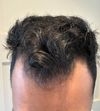
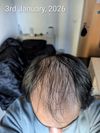
The user noticed slight hair loss after switching to Milpharm finasteride and is considering switching to Accord finasteride. They seek advice on whether to continue with Milpharm or switch brands.
Finasteride and Minoxidil effectively regrow hair but cause sexual side effects. The user is considering a Korean FUE hair transplant and is researching clinics and costs.
A user on dutasteride for hair loss noticed hair regrowth on their head but a significant reduction in body hair growth. They plan to switch to finasteride and dutasteride and are considering testosterone replacement therapy but are concerned about its effects on hair growth.
Hair loss treatments, specifically Spironolactone, and the user's experience with it over a 7-8 month period. Other treatments mentioned include Minoxidil and Finasteride.
A user decided to buzz their thinning hair after starting Dutasteride, feeling liberated by the change. Other users shared similar experiences, with some using treatments like Finasteride and Minoxidil to manage hair loss.
Facing fears and making a doctor appointment to get more info on individual hair loss cases, as well as the discussion of potential treatments such as Finasteride/Dutasteride, Minoxidil, or RU58841.
A user started taking 0.25mg of finasteride every other day to prevent hair loss and documented their experience. Initially, they felt anxious and had headaches, but by the second week, they felt normal with no side effects or changes in hair.
A user experiencing diffuse thinning since age 18 describes their hair as unhealthy, dry, thin, and hard, with texture changes cycling between good and bad every few weeks. They are not on any medication, only taking vitamins and supplements.
A 20-year-old is experiencing hair shedding two months after starting 2.5mg oral minoxidil and topical finasteride. They notice thinning in areas where finasteride is applied but also see new baby hairs growing.
A user is considering starting finasteride for hair loss and shares their hormone levels, with others suggesting checking SHBG and discussing potential side effects. Some recommend starting with 0.5 mg finasteride, while others suggest considering dutasteride.
The user shared a one-year progress of treating hair loss with finasteride, minoxidil capsules, and rosemary oil, and also improved mental health by addressing childhood trauma and changing negative thought patterns. Commenters congratulated the user on both hair regrowth and mental health progress, with one asking for advice on overcoming self-hatred and low confidence.
A user reported significant facial aging after using minoxidil for hair loss, despite a good skincare routine and healthy lifestyle. They plan to switch to dutasteride and possibly stop minoxidil.
A user shared progress pictures after nearly four months on finasteride, reporting halted shedding and improved hair density. They incorporated a scalp scrubber and Nizoral into their routine, with others sharing similar experiences and encouragement.
A user's progress pictures and four month finasteride update showing dramatic hair regrowth, as well as their experiences with other treatments like minoxidil. The conversation also includes advice on diet, testosterone levels, and the importance of avoiding baldness for attraction and confidence.
A 23-year-old is distressed about hair loss despite using dutasteride and oral minoxidil and is considering a hair transplant in Turkey. Many suggest therapy, hair systems, or acceptance, emphasizing mental health over appearance.
A 20-year-old is experiencing severe hair loss and is considering using dutasteride and finasteride, worried about potential side effects. They feel depressed and isolated due to hair loss, and are exploring options like hair transplants and hair systems but are hesitant about faking it.
A 20-year-old noticed hairline changes after using testosterone and started finasteride to address it. They are considering using minoxidil but are advised to monitor progress on finasteride first before adding it.
The user is experiencing significant hair loss after switching from finasteride to dutasteride for five months. Suggestions include that the hair loss might be a normal shedding phase, with some recommending continuing the treatment for up to 24 months or considering alternatives like RU58841.
A 29-year-old woman is experiencing gradual hair thinning since age 15, suspects Androgenic Alopecia, and has tried 5% minoxidil with little success. She has purchased various hair loss treatments including minoxidil, dutasteride, finasteride, and spironolactone, but is cautious about starting them due to potential interactions with her ADHD medication.
The user switched from finasteride and topical minoxidil to oral dutasteride and minoxidil, with plans to add RU58841, to improve hair growth and address a stubborn bald spot. Despite initial shedding, the user noticed thicker, darker hair and plans to continue the treatment or consider a hair transplant.
The user is concerned about starting finasteride due to ongoing body development and seeks alternatives to maintain hair until age 25. They are considering options other than finasteride for hair loss management.
A 23-year-old woman is considering starting minoxidil for hair thinning but is concerned about its long-term use and effectiveness. Recommendations include consulting a doctor, checking ferritin levels, and considering treatments like spironolactone or finasteride, while minoxidil is suggested for regrowth but not as a primary treatment.
A user with high pre-finasteride estrogen levels is asking if they need to normalize their hormone levels before starting finasteride and whether they should postpone dermarolling until they begin finasteride. The user is 21.5 years old.
The user has been using 2mg minoxidil and 1mg finasteride daily for over a year, with inconsistent use for two months, and is experiencing a shedding phase. Suggestions include adding dutasteride, micro-needling, and considering a shorter haircut to manage appearance during shedding.
A user shared their 11-year experience with spironolactone and nearly 5 years with finasteride for hair loss, recently adding oral minoxidil and stopping birth control. Various treatments were discussed, including organic options, checking for underlying health issues, considering dutasteride, and the potential role of progesterone in hair loss.
A 19-year-old is considering switching from topical to oral minoxidil to combat hair loss, despite concerns about increased body hair. They are currently using minoxidil, ketoconazole shampoo, and dutasteride, and are willing to accept the trade-off of more body hair for better scalp hair growth.
The user is experiencing hair thinning and bald spots, using Nizoral, rosemary oil, fluocinolone, and receiving PRP treatments. They are considering oral minoxidil and finasteride but are hesitant due to age and financial constraints.
The user experienced significant hair regrowth using finasteride and minoxidil, leading to doubts about proceeding with a planned hair transplant. Many suggest postponing the transplant to save grafts for future needs, as the current results are impressive.
The user reversed male pattern baldness using a pro-thyroid diet, lifestyle changes, and scalp stimulation exercises, without Minoxidil or Finasteride. They reported reduced dandruff, itchiness, oiliness, and experienced hair regrowth and thickening over 15 months.
The conversation is about someone planning to start finasteride for hair loss and wanting to interpret pre-treatment blood panels to assess the risk of side effects like gynecomastia. They list various tests to measure hormone levels and other health indicators.