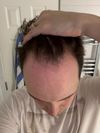
A user's progress with treating hair loss using finasteride, minoxidil and microneedling over the course of 7 months. Other comments suggested additional treatments such as toppik to help hide it in the meantime.
A 27-year-old man shared his 3-month progress using finasteride and minoxidil for hair loss, showing significant improvement and increased confidence. He expressed gratitude to the community for their support and inspiration.
An 18-year-old is using 0.1% topical finasteride and 1.25 mg oral minoxidil daily for hair loss. After four months, they experienced initial thinning but some regrowth, and are considering switching to dutasteride due to aggressive hair loss.
The user started oral minoxidil and finasteride two months after a hair transplant and plans to switch to dutasteride, using Nizoral and Mossi shampoos. They are considering a second transplant in Tijuana and using hair fibers and mousse for styling while waiting for medication effects.
A 20-year-old female is considering whether to continue using minoxidil for hair loss after recovering from an eating disorder and iron deficiency. She is concerned about hair shedding and is advised to focus on nutrition and iron intake, with the option to taper off minoxidil gradually if she chooses to stop.
The user experienced side effects from finasteride and found improved mood and performance with DHT, but it worsened hair loss. They are considering options like TRT, HCG, and topical treatments like Saw Palmetto, but struggle with balancing hair preservation and functionality.
A woman experiencing hair loss is trying iron, biotin, and B12 supplements, increasing meat intake, and improving hydration to address her condition. Another person suggests checking vitamin D levels, stress, thyroid, and hormones, and recommends seeing a dermatologist for a proper diagnosis.
A user shared their 4-year hair loss journey, starting with finasteride and minoxidil, then adding dutasteride and oral minoxidil, which improved their hair. They are now considering RU58841 and a hair transplant in the future.
The user has been using topical finasteride (0.1%) and minoxidil (5%) for over 8 months, experiencing significant hair shedding and loss of density, and is considering switching to topical dutasteride. They are hesitant to switch due to potential shedding but plan to wait until the 12-month mark before making a decision.
A user shared their two-year progress using 1mg finasteride, topical minoxidil, and occasional microneedling, noting no significant changes but a halt in hair loss progression. They recently started oral minoxidil and are considering a hair transplant.
A 23-year-old man shared his one-year progress using finasteride for hair loss, starting with a lower dose due to side effects and gradually increasing to 1mg. He experienced manageable side effects and is considering adding minoxidil or switching to dutasteride in the future.
The conversation is about a user's 13-month progress using oral finasteride and topical minoxidil for hair loss, showing significant improvement but considering a hair transplant for increased density. The user also takes biotin and saw palmetto, uses Hims shampoo, and plans to consult a surgeon for potential grafts.
Dutasteride mesotherapy in women with metabolic syndrome accelerated hair loss after initial regrowth, while women without metabolic syndrome saw continuous regrowth. The user with mild insulin resistance is hesitant to try topical dutasteride and seeks experiences from others with insulin resistance.
CraigMeyerShirtPants used oral finasteride for 15 months and topical minoxidil for 6 months, seeing significant hair growth after cutting hair 4 months ago. Users congratulated and asked about age, brand, and side effects.
A user shared their 11-year experience with spironolactone and nearly 5 years with finasteride for hair loss, recently adding oral minoxidil and stopping birth control. Various treatments were discussed, including organic options, checking for underlying health issues, considering dutasteride, and the potential role of progesterone in hair loss.
The user shared a positive update on their hair transplant journey one year after the procedure in Turkey, where they received 4,350 grafts. They started taking finasteride at the 6-month mark and also use biotin, B6, B12, and scalp oils to support hair growth.
User shared a 3-month progress update on hair loss treatment using finasteride and minoxidil. They experienced initial shedding, thicker hair growth, and facial breakouts likely due to hormone changes.
A user reported worsening hair shedding and thinning after 6 months of daily dutasteride, despite also using minoxidil, bicalutamide, and recently adding RU58841. They are considering stopping dutasteride due to lack of improvement.
A user experienced significant hair shedding and thinning 10 months post-hair transplant despite using minoxidil and topical finasteride. They are considering switching to oral finasteride or dutasteride and are also dealing with scalp conditions like seborrheic dermatitis.
The user is anxious about potential side effects of finasteride, particularly PFS, and is considering reinstating it for hair loss treatment. They experienced anxiety-induced side effects previously and are seeking advice on overcoming their fear of restarting finasteride.
A 19-year-old male shared his 10-month progress using finasteride, starting at 0.25mg and increasing to 1.25mg daily, noting new hair growth at the temples. He experienced a significant shed at 6 months but reported no side effects from increasing the dosage.
After switching from finasteride to dutasteride, the user experienced a 25% increase in total testosterone and a 150% increase in free testosterone, with side effects like brain fog and nipple tingling. The user plans to consult a lab for accuracy and adjust the dutasteride dosage to manage side effects.
Finasteride can cause gynecomastia, which may be reversible by stopping the drug and using selective estrogen receptor modulators (SERMs) like tamoxifen. Lifestyle changes such as weight loss and avoiding alcohol can also help, but surgery may be needed if the condition persists.
The user resumed using topical finasteride after a two-week break and will update on side effects like water retention and gynecomastia in a month. They are also starting DIM and zinc.
A user improved their hair loss from NW3+ to NW1.5 over three years using a regimen of dutasteride, finasteride, Nizoral, biotin, and collagen. They experienced some side effects and adjusted dosages over time, and noted additional benefits like better skin and muscle gain.
The user started a hair loss treatment two months ago using oral minoxidil, dutasteride, finasteride, and biotin. They experience some side effects like ED but are willing to continue for hair growth.
A 21-year-old seeks advice on how to present hair thinning to a dermatologist to obtain a finasteride prescription. Suggestions include showing visible signs of thinning, bringing photos, and considering telehealth services.
A 28-year-old used oral finasteride and minoxidil, and underwent two hair transplants in Turkey, with a total of 3150 grafts, resulting in a natural-looking hairline. The first procedure cost £3300, and the second was a free touch-up, with additional costs for flights and accommodation.
A 21-year-old male shares a 3-month progress update using 1 mg oral finasteride daily and 5% topical minoxidil twice daily, reporting no side effects and noticeable hair growth. Users commend the results and encourage continuation of the treatment.