Search
for
Sort by
Community Join
750-780 / 1000+ resultscommunity Concerned About Stopping Minoxidil After 2 Months of Use on Hairline and Temples
The user used minoxidil unnecessarily for two months due to a perceived hair loss but realized their hairline hadn't changed in 2.5 years. They are concerned about shedding caused by minoxidil and whether stopping its use will allow regrowth or cause permanent damage.
community Give me courage, friends! / Is finasteride response correlated with aggressiveness of hair loss?
The user has been using topical finasteride for seven months and minoxidil for three years, with added tretinoin gel for ten months, and is experiencing continuous shedding without signs of regrowth. They are questioning if the amount of shedding is normal at this stage of treatment and if there's a correlation between finasteride response and the rate of hair loss.
community Prevent g thinning while promoting beard growth
A 25-year-old male experiencing hair shedding due to testosterone use is considering topical finasteride or RU58841 for scalp treatment while continuing minoxidil for beard growth. Topical finasteride is suggested to prevent scalp thinning without affecting beard growth.
community Reflex Hyperandrogenicty: How I recovered from it
The user experienced severe hair shedding from RU58841 and recovered by stopping its use and starting treatments including Minoxidil, Rosemary Verbenone, Stemoxydine, Aminexil, copper peptide serum, and specific shampoos. They also consistently used oral Finasteride and plan to try Minoxidil 10%.
community 1.5 years on min+fin topical solution still hair falls like crazy
The user has been using a minoxidil and finasteride topical solution for 1.5 years without improvement and recently added oral finasteride but still experiences significant hair shedding. Other users suggest trying dutasteride, as some have switched from finasteride to dutasteride with fewer side effects, while others discuss dosage strategies and the effectiveness of topical versus oral treatments.
community upped dutasteride from 0,5mg to 3mg and question about my shedding right now
The user increased their dutasteride dose from 0.5mg to 3mg daily to address hair thinning, noticing a change in shedding patterns and possibly thicker hair. Other users discuss the effectiveness of different dutasteride doses on DHT levels and suggest staying consistent with the treatment.

community (M24) Anything before min/fin? time to start?
The user is experiencing hair thinning and shedding despite no family history of male pattern baldness. They are considering starting treatments like Minoxidil or finasteride.
community My 2-Year Journey – Meds Finally Kicking In
The user experienced significant hair regrowth and reduced shedding after two years of using finasteride, minoxidil, and a laser helmet, along with maintaining scalp health with specific shampoos. Consistency and patience were key to their success, despite initial heavy shedding.
community Dut mesotherapy shed or not working
The user experienced initial success with topical minoxidil and dutasteride mesotherapy but is now losing more hair and unsure if it's due to shedding or ineffective treatment. They are considering whether to try a different approach.
community Understanding the Hair Transplant Timeline — A Medical Perspective
Hair transplantation involves a detailed consultation, preparation, and a long-term recovery process with stages like initial shedding and gradual new hair growth over months. Setting realistic expectations is crucial for patient satisfaction.
community Huge shed after one year Dut when I started RU.
After a year on dutasteride and oral minoxidil, the user experienced significant hair regrowth, improving from Norwood 2 to almost Norwood 1. They added RU58841, microneedling, rosemary oil, GHK-Cu, and annurca apple supplement to their regimen and are now noticing hair loss in the temple area.
community People who've had minoxidil successes, how soon did your minoxidil shed start and when did it end?
The user started using 5% minoxidil foam in February and experienced shedding a few weeks later, which continued for about twelve weeks. They are also taking pumpkin seed oil and saw palmetto but remain skeptical about their effectiveness.
community Considering Stopping Minoxidil After 2 Years, Still on Finasteride (8-9 Months): Seeking Advice on Shedding and Alternatives
The user is considering stopping topical minoxidil due to inconvenience and side effects while continuing finasteride for hair loss. They seek advice on the experience of stopping minoxidil and potential alternatives.
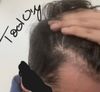
community 18M: Persistent Hair Loss at Temples Despite Minoxidil/Finasteride, Adjust Dosage?
An 18-year-old male is experiencing hair loss and is using topical minoxidil and oral finasteride. He is concerned about continued shedding, mild sexual side effects, and whether to adjust his finasteride dosage.
community Dutasteride is magic. Insane regrowth after massive shed.
community 6 Months Into Dut Progress Pictures
Switching from finasteride to dutasteride caused significant shedding but minimal side effects. The user plans to continue dutasteride for 12 months despite concerns about hair density.
community M21 one year progress fin only
A 21-year-old shares their one-year progress using finasteride for hair loss, experiencing initial shedding but eventual regrowth, especially on the crown. They consider switching to dutasteride due to continued hair loss at the front temple and mid-scalp areas.
community Is this progess? Somedays I’m not sure.
The user is seeking confirmation of progress in their hair regrowth journey while using oral finasteride and topical minoxidil. They also mention experiencing shedding and dandruff after switching from liquid minoxidil to foam. Some users suggest considering a hair transplant.
community One month on rogaine, biotin, and laser cap. 2 days on derma roller. Still most likely on the shedding phase.
The conversation is about someone using minoxidil, biotin, a laser cap, and a derma roller for hair loss, and considering finasteride. Some users are skeptical about the treatments, while others advise patience for results.
community Losing hair without the white bulb, Tressless GPT's Response. Do you guys agree?
Hair loss without a white bulb may indicate mechanical damage, anagen effluvium, alopecia areata, or traction alopecia. Seeking a specialist is recommended, but access can be difficult in smaller areas.
community My finasteride story. M36 diffuse thinner
User started finasteride in Oct 2021 and experienced reduced shedding and side effects. Saw improvements in months 3-5, but worsening in months 11-13, and asks for advice on next steps.
community Personal experiment: tretinoin and diffuse thinning
User experienced hair growth with finasteride and minoxidil, but after using tretinoin, faced aggressive thinning and hair loss. They plan to stop tretinoin for two months to see if the problem improves.
community Diffuse thinners on topical minoxidil, how is it going for you?
A user experiencing severe shedding after starting 5% minoxidil foam for hair loss is seeking advice from others. Another user shared their positive experience with finasteride and minoxidil, suggesting that initial shedding can be a good sign and encouraging persistence with the treatment.
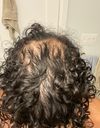
community Thoughts on realistic expectations (pics 1mg finasteride only)
The user has been using 1mg finasteride for a year but still experiences significant shedding and is considering adding minoxidil. They seek advice on realistic recovery expectations from their current level of hair loss.
community Can scalp buildup Cause hair loss?
The user is experiencing severe hair shedding while on finasteride and plans to start using ketoconazole shampoo to address a greasy, waxy scalp buildup. They are seeking additional advice for managing hair loss.
community 1 month after switching to topical Dut
community Questions about DUPA and figuring out what my hairloss is (NEED INPUT BADLY)
The conversation discusses severe hair shedding and thinning, with the original poster using finasteride, oral minoxidil, and other supplements without improvement. The discussion highlights the possibility of telogen effluvium and the importance of addressing potential underlying health issues, such as stress and gut health, rather than assuming diffuse unpatterned alopecia (DUPA).
community Continue Topical fin or switch over to oral fin
A 20-year-old male experiencing hair loss is considering switching from topical finasteride to oral finasteride after using minoxidil and topical finasteride. He is unsure whether to switch now or wait until his hair recovers, as he is experiencing significant shedding.
community Just hit my 8 month mark on finasteride
After 8 months on finasteride, the user experiences increased hair shedding and thinning, despite also using minoxidil and microneedling. They consider switching to dutasteride but decide to continue the current regimen for a year before reassessing.