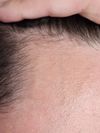
The conversation is about someone's experience with hair loss and their progress using dutasteride, a treatment for hair loss. Specific treatments mentioned include Minoxidil, finasteride, and RU58841.
The user noticed increased hair shedding after switching to a new Kirkland minoxidil with a different formula and is concerned about its effectiveness. They suspect the shedding might be linked to the new minoxidil rather than other factors like changing finasteride dosage or stopping RU58841.
The user has been on dutasteride for 6 months, experiencing initial hair health but then shedding and brittle hair, with no improvement. They use minoxidil, ketoconazole, dutasteride, and vitamin D, and are questioning whether to continue treatment despite no results.
The conversation is a satirical expression of frustration over hair loss, mentioning treatments like spironolactone, microneedling, and topical applications, with references to various hair loss products and personalities in the community.
The user experienced hair loss after 21 months of using oral minoxidil and finasteride and is considering switching to dutasteride. Others suggest it might be temporary and recommend staying consistent or trying additional methods like hair loss shampoo, microneedling, or checking vitamin levels.
A 26-year-old is considering switching from a finasteride and minoxidil blend to using dutasteride and minoxidil separately, with concerns about shedding and dosage changes. They are exploring options for sourcing and considering using ketoconazole shampoo to manage dryness.
A female user in her mid-20s with androgenetic alopecia and suspected telogene effluvium who has been taking Dutasteride, Spironolactone, Minoxidil, Dermarolling, Ketoconazol shampoo, and Yaz contraception for her hair loss for the past 6 months. She had a small shed during this time that she believes to be stress related.
The conversation discusses the slow transition from baby hair to normal hair while using finasteride and transitioning to dutasteride, with progress except for the crown area. It's mentioned that hair thickening can take years, with each growth cycle potentially making the hair thicker, and this process can span over 6 months or more.
Matt-3422 shared his hair loss treatment journey, starting with great results from Minoxidil and oral Finasteride, then switching to RU58841 and topical Finasteride due to worsening hair loss. He's experiencing scalp irritation and is unsure if he should continue with his current regimen, while others suggest scalp care and alternative treatments.
The user has been using 1mg finasteride and twice-daily topical minoxidil with tretinoin for a year and has now started taking 2.5 mg oral minoxidil in the mornings while continuing topical minoxidil with tretinoin at night. They are seeking feedback on whether others have experienced hair shedding with this regimen.
The user experienced initial shedding but saw regrowth after seven months using oral minoxidil (1.75mg) and a dandruff shampoo. They plan to try Spironolactone and possibly metformin for PCOS-related hair issues.
The user is experiencing hair loss without a family history and suspects stress or telogen effluvium (TE) as the cause, despite using finasteride without results. Others suggest stress, vitamin deficiencies, or other conditions could be factors, and some mention that balding can occur without a family history.
A user has been taking Propecia (finasteride) for 7 months and uses topical minoxidil, but is considering switching to dutasteride due to ongoing hair shedding. Another person suggests that 7 months is not enough time to decide on switching medications.
The user experienced significant hair regrowth using 1mg finasteride every other day, 5% minoxidil twice daily, and ketoconazole shampoo. The progress was noted as impressive, with some users questioning the authenticity of the results.
The user started taking oral finasteride after four years on oral minoxidil due to thinning hair in the crown area. They experienced some initial side effects and shedding but are hopeful for regrowth, while continuing with minoxidil.
The user has been using finasteride for 4 months and minoxidil for over a year, experiencing significant hair loss and thinning. Others suggest it might be a shedding phase, with some users sharing similar experiences and eventual regrowth, while others express skepticism about the effectiveness of the treatments.
A 31-year-old male experienced hair thinning and initially used topical minoxidil, then switched to finasteride, which caused significant shedding. He later adopted a regimen of dutasteride, oral minoxidil, and anti-dandruff shampoo, leading to positive hair growth results, though he noted increased body hair as a side effect of oral minoxidil.
The conversation is about hair regrowth progress after 4 weeks of using 1mg Finasteride, with the user experiencing initial shedding followed by the appearance of small dark hairs on the scalp. Specific treatment mentioned is 1mg Finasteride.
A 20-year-old male uses oral finasteride daily, ketoconazole shampoo, rosemary and castor oil, and dermarolls for hair loss. Despite initial shedding and some baby hair growth, he worries these treatments may not be enough long-term.
The user experienced increased hair shedding after using RU58841 and is seeking advice on how to stop using it. They are currently using Minoxidil, Finasteride, Stemoxydine, Aminexil, Eucapil, and copper peptide serum for hair loss treatment.
The user has been using 1mg finasteride and 2.5mg oral minoxidil for three months, noticing new blonde hairs but experiencing ongoing shedding. They also use GHK-Cu, which has improved skin but not hair.
The user is trying a new hair loss regimen including Spirolactone, Finasteride, oral Minoxidil, microneedling, and various supplements. They are experiencing increased shedding and seeking advice on microneedling and treatment effectiveness.
The conversation is about a user's experience with hair loss treatments, specifically using finasteride, minoxidil, microneedling, and ketoconazole shampoo. The user reports improvements after almost nine months, with no side effects, and discusses the shedding process and expectations for results.
A user shared progress pictures showing hair improvement after 11 months of using finasteride. The user experienced minimal shedding and plans to continue the treatment long-term.
A user who had success with finasteride for hair loss for 4-5 years experienced shedding after a 3-week break. They tried various treatments including different finasteride brands, dutasteride, topical treatments, and supplements, but are still facing hair loss.
The conversation is about a user's 3-month hair loss treatment using topical minoxidil, oral finasteride, a derma roller, ketoconazole shampoo, rosemary oil, and vitamin D supplements, alongside weight loss. Users discuss shedding, vitamin D benefits, and reducing sugar intake.
Corticosterone inhibits GAS6, affecting hair follicle stem-cell activity, with potential implications for stress-related hair loss. Ashwagandha and Vitamin K are suggested for reducing cortisol, but their effectiveness is debated.
A 16-year-old female experiencing severe hair loss and sebum buildup, likely due to telogen effluvium and PCOS, is currently using vitamin D3 supplements, Redenser serum, and T follihair supplements. Recommendations include addressing PCOS first and consulting a doctor.
The user experienced side effects from finasteride and minoxidil, switched to Nanoxidil with no side effects, and is now on 0.5mg finasteride 3-5 times a week but is concerned about significant hair shedding and lack of new growth. They are seeking encouragement and advice on whether to trust the process.