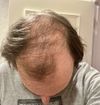
A user shared one-year progress using finasteride and minoxidil for hair loss at age 42. Suggestions included adding dermastamping, microneedling, and considering a hair transplant for further improvement.
A user shared their 60-day progress in treating hair loss using 1.0mg finasteride, topical minoxidil, biotin, hims shampoo, and dermastamping twice a week. They plan to continue this routine for a year before considering a hair transplant consultation.
A user shared a 9-month hair loss treatment update using scalp micropigmentation (SMP), finasteride, minoxidil, derma pen, ketoconazole shampoo, and low-level laser therapy (LLLT), with plans for a hair transplant. Another person suggested increasing the dosage of finasteride and minoxidil and using a derma roller weekly.
A user shared progress pictures after 2 months of using oral minoxidil for hair loss and plans to start dermarolling and finasteride. Responses varied, with some seeing slight improvement and others suggesting more time or a hair transplant for significant results.
A user shared a 7-month update on hair regrowth using finasteride daily and minoxidil once a day, noting improvement in hair health. Others suggested adding micro-needling, ketoconazole shampoo, and considering a hair transplant for better results.
People shared experiences of hair loss after stopping minoxidil, despite also using finasteride. Some tried microneedling or hair transplants, but stopping minoxidil often led to significant hairline recession.
A 25-year-old who has been using minoxidil and finasteride for 4 years to treat hair loss, underwent a successful FUE hair transplant in Mumbai, India, in April 2023. The user reported positive results, including increased hair density and reduced frizziness, and plans to continue treatment for further growth.
User Tricky9555 tried various hair loss treatments for 8 months with no visible results. Others suggested considering a hair transplant, checking thyroid levels, and being patient for up to 24 months for potential results.
User hides baldness with side hair growth, others suggest it looks good but may not work in all conditions. Some recommend starting treatment or considering a hair transplant.
User experienced hair loss and tried Minoxidil, laser helmet, and Finasteride. Finasteride caused depression and sexual side effects, but user had a successful hair transplant.
A user named "EgyptStar81" who has been dealing with hair loss since age 15 due to genetics, chemotherapy and finasteride/minoxidil treatment. Possible solutions such as dutasteride, oral minoxidil, hair transplants and extensions were suggested.
User shared 9-month progress using Minoxidil 5% (switched to 10% last 3 months) and Finasteride 1mg daily for hair growth. Experienced improvement in hair volume, but crown still not fully filled; considering transplant if no further progress.
Hair loss treatments discussed include Minoxidil, Finasteride, RU58841, ass hair transplant, topical Viagra, castration, and transitioning to female. A user mentions an experimental drug called M4U-5 (Mousteride) that turns you into a mouse.
A person feels intense shame and self-hatred due to baldness and poor self-image, affecting their confidence and social interactions. Suggestions include therapy, exercise, braces, hair transplants, and using finasteride.
User shares 10-year experience using Finasteride and Minoxidil for hair loss with positive results and no significant side effects. Others suggest consistency, microneedling, and considering hair transplants.
For hair loss, start with Finasteride, Minoxidil, Ketoconazole shampoo, and Microneedling. For severe cases, consider Dutasteride, oral Minoxidil, or hair transplants.
The conversation discusses the potential of verteporfin in treating hair loss, with some users reporting positive results and speculating that it could lead to a cure for baldness. Others are skeptical, and there's a debate on the effectiveness of verteporfin for regrowing hair and reducing transplant scars.
The post discusses frustration over the limited and not always effective treatments for hair loss, mainly Minoxidil and Finasteride. The conversation includes mentions of potential new treatments like GT20029, HMI-115, CosmeRNA, KX-826, and microneedling, but also highlights the challenges of funding and prioritizing research in this area.
The conclusion of the conversation is that the user has experienced significant hair regrowth using a combination of medications, including dutasteride, RU58841, and minoxidil. They have not experienced any noticeable side effects and are considering a hair transplant in the future.
Users discuss alternatives to DHT blockers for hair loss, suggesting minoxidil, microneedling, natural DHT blockers, and scalp massages. Some explore RU58841, ketoconazole, hair transplants, and hair systems due to side effects from finasteride and dutasteride.
The user has been using finasteride, minoxidil, microneedling, PRP, and ProCell therapy for hair loss but sees no progress after nine months. They are considering switching to dutasteride and possibly a hair transplant, with suggestions to add oral minoxidil.
A 30-year-old man shares his successful hair loss protocol, which includes finasteride, Nizoral shampoo, low-level laser therapy, microneedling, and past use of oral minoxidil. He plans to consider dutasteride and possibly hair transplants in the future, while advising caution with crown transplants before age 35.
Some individuals experience hair loss despite using treatments like 2.5 mg dutasteride, finasteride, and minoxidil, suggesting sensitivity to DHT or other factors. Various treatments and lifestyle changes are discussed, but results vary, and some consider hair transplants or other solutions.
A 24-year-old male is experiencing emotional stress from hair loss despite seeing significant progress after 4.5 months of using oral dutasteride and minoxidil, and has now switched to topical treatments. Many users encourage him to continue with the oral treatments due to his impressive results and suggest waiting at least a year before considering a hair transplant.
Hair follicles usually go dormant rather than die, and treatments like finasteride, minoxidil, and hormone therapy can sometimes reactivate them, though results vary. Complete regrowth is rare, especially in long-term bald areas, but some individuals see significant improvement with these treatments.
The conversation discusses hair loss struggles and treatments, including oral minoxidil, oral finasteride, and RU58841. Users share experiences and advice, suggesting options like topical minoxidil, microneedling, hair transplants, and scalp micropigmentation.
The user is frustrated with hair regrowth despite using finasteride, minoxidil, dutasteride, RU58841, ketoconazole shampoo, and dermastamping. Others suggest improvement, advise against overmedication, and recommend consulting a doctor or considering a simpler regimen or hair transplant.
A 24-year-old experienced significant hair regrowth over 8 months using oral finasteride, oral and topical minoxidil, dutasteride, microneedling, and ketoconazole shampoo. They are satisfied with the results and may consider a hair transplant after one year.
A user shared their experience with oral minoxidil and finasteride for hair loss, taking 7.5mg of minoxidil and experiencing excessive hair growth all over their body without major side effects. Some users suggested lower doses for safety, while others shared their own experiences with hair growth in different areas and side effects.
The conversation is about the difference in hair loss between bodybuilders in the "Golden Era" and modern bodybuilders. Some users speculate that factors such as the types and doses of steroids used, genetics, diet, microplastics, and overall health may contribute to hair loss. Hair loss prevention medication and transplants are mentioned as potential treatments.